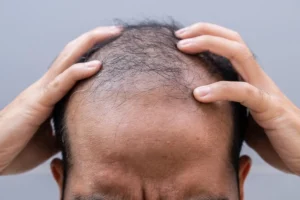
Understanding what to eat to avoid hair loss is the first step toward preserving a full, healthy head of hair. While genetics and medical conditions play a role, your daily diet can significantly influence hair strength, growth cycles, and overall scalp health. In fact, research shows that up to 70% of hair‑related issues have a nutritional component.
This article explains the key nutrients that support hair follicles, highlights protein‑rich foods, and outlines dietary habits that promote circulation and reduce inflammation. We’ll also discuss common foods and habits to limit, and provide a practical meal plan you can start using today.
Whether you’re experiencing early thinning, postpartum hair shedding, or simply want to maintain thick, vibrant hair, the guidance below will help you make informed choices at the grocery store and the dinner table.
Essential Nutrients for Healthy Hair
Hair is made primarily of keratin, a protein that requires a steady supply of vitamins and minerals to grow strong. The most critical nutrients include:
- Vitamin A: Supports sebum production, which keeps the scalp moisturized.
- D Vitamini: May stimulate hair follicles; deficiency is linked to alopecia.
- Vitamin E: Antioxidant that protects cells from oxidative stress.
- Biotin (Vitamin B7): Often recommended for hair growth, though evidence is mixed.
- Iron: Essential for oxygen transport; low iron can cause telogen effluvium.
- Zinc: Regulates hormone levels and supports tissue repair.
Incorporating a diet for good hair growth means selecting foods naturally rich in these nutrients. For example, sweet potatoes and carrots provide beta‑carotene, a precursor to vitamin A, while fatty fish such as salmon deliver vitamin D and omega‑3 fatty acids that improve scalp circulation.
Below is a quick reference table that matches key nutrients with everyday food sources:
| Nutrient | Top Food Sources |
|---|---|
| Vitamin A | Carrots, sweet potatoes, spinach, kale |
| D Vitamini | Salmon, mackerel, fortified dairy, egg yolks |
| Vitamin E | Almonds, sunflower seeds, avocado, olive oil |
| Biotin | Eggs, nuts, legumes, cauliflower |
| Iron | Lean red meat, lentils, spinach, pumpkin seeds |
| Zinc | Oysters, pumpkin seeds, chickpeas, quinoa |

Protein‑Rich Foods That Support Hair Growth
Hair follicles rely on protein to produce keratin, making protein rich food for hair growth a cornerstone of any anti‑hair‑loss diet. Animal proteins provide all essential amino acids, while plant‑based options can be combined to achieve a complete profile.
- Lean poultry: Turkey and chicken breast deliver high‑quality protein with minimal saturated fat.
- Eggs: Contain both protein and biotin, a duo that many hair‑care supplements mimic.
- Greek yogurt: Offers casein and whey proteins, plus calcium.
- Legumes: Lentils, chickpeas, and black beans are excellent plant proteins and also supply iron.
- Quinoa: A complete protein grain that includes zinc and magnesium.
- Seafood: Shrimp and tuna provide protein plus omega‑3s that improve scalp blood flow.
When planning meals, aim for at least 20–30 grams of protein per main dish. This not only fuels hair follicles but also stabilizes blood sugar, which can indirectly reduce stress‑related shedding.
For those considering supplements, protein supplements for hair loss such as whey protein powders can be convenient, but whole‑food sources remain superior due to their additional micronutrients.
Foods to Include for Scalp Health and Blood Circulation
Beyond vitamins and protein, the health of the scalp itself plays a vital role in preventing hair loss. Foods that boost circulation and reduce inflammation create an optimal environment for follicles.
- Omega‑3 fatty acids: Found in flaxseeds, chia seeds, and fatty fish; they improve blood flow and reduce inflammatory cytokines.
- Antioxidant‑rich berries: Blueberries, strawberries, and raspberries combat oxidative stress that can damage hair follicles.
- Green tea: Contains catechins that may protect hair follicles from damage.
- Garlic: Sulfur compounds enhance collagen production, supporting the scalp’s connective tissue.
- Whole grains: Provide B‑vitamins that support energy metabolism in hair cells.
Incorporating these foods into a balance diet for hair growth helps maintain a healthy scalp microbiome and ensures that follicles receive the oxygen and nutrients they need.
For individuals with iron‑deficiency related shedding, pairing iron‑rich foods with vitamin C sources (like citrus or bell peppers) enhances absorption, addressing concerns such as “which vitamin deficiency causes hair loss?” and reducing the need for iron tablets and hair loss supplements.
Foods and Habits to Limit or Avoid
Just as certain foods nourish hair, others can accelerate shedding. Recognizing what not to eat to avoid hair loss is essential for a comprehensive approach.
- Excessive refined sugars: Spike insulin, leading to hormonal imbalances that may trigger telogen effluvium.
- Highly processed foods: Often lack essential micronutrients and contain trans fats that increase inflammation.
- Alcohol in large quantities: Dehydrates the body and can impair nutrient absorption.
- Very low‑calorie diets: Rapid weight loss can cause temporary shedding due to nutrient deficiencies.
- Caffeinated energy drinks: High caffeine can interfere with sleep, a factor linked to hair loss.
For postpartum hair loss, maintaining a balanced intake of iron, protein, and omega‑3s is especially important. Avoid crash diets and focus on nutrient density to support recovery.
In addition to dietary changes, staying hydrated, managing stress, and getting adequate sleep are lifestyle factors that complement a diet for good hair growth.
Sample Daily Meal Plan for Hair Preservation
Putting theory into practice is easier with a concrete plan. Below is a sample menu that covers the essential nutrients discussed above, designed for an adult with average caloric needs.
- Breakfast: Greek yogurt parfait with mixed berries, a tablespoon of chia seeds, and a drizzle of honey.
- Mid‑morning snack: A handful of almonds and a small orange.
- Lunch: Grilled salmon salad with spinach, quinoa, avocado, and a lemon‑olive‑oil dressing.
- Afternoon snack: Carrot sticks with hummus.
- Dinner: Turkey breast stir‑fry with bell peppers, broccoli, and brown rice.
- Evening beverage: A cup of green tea.
This plan delivers a balanced mix of vitamins for hair loss prevention, high‑quality protein, and anti‑inflammatory fats, while staying low in refined sugars and unhealthy fats.
Why Choose Gold City Hair
At Gold City Hair, we understand that nutrition is only one part of a holistic hair‑restoration journey. Since 2017, our clinic in Turkey has combined cutting‑edge transplant techniques such as FUE and DHI with personalized medical guidance, ensuring each patient receives a comprehensive plan that includes lifestyle and dietary recommendations. Our transparent communication and focus on individual needs help you achieve lasting confidence and natural‑looking results.
Ready to take the next step toward fuller, healthier hair? Contact Gold City Hair today to schedule a personalized consultation and discover how our expert team can support your hair‑restoration goals.
SSS
What foods should I eat to prevent hair loss?
Eat a variety of vitamin‑rich vegetables, fatty fish, nuts, seeds, lean proteins, and whole grains.
How does vitamin D affect hair growth?
Vitamin D may stimulate hair follicles and a deficiency is linked to alopecia.
Which protein sources are best for hair health?
Lean poultry, eggs, Greek yogurt, legumes, quinoa, and seafood are top choices.
What foods should I avoid to reduce hair shedding?
Limit refined sugars, highly processed foods, excess alcohol, very low‑calorie diets, and energy drinks.
How can I improve scalp circulation through diet?
Include omega‑3 rich foods, antioxidant berries, green tea, garlic, and whole grains.
Does biotin really help with hair loss?
Biotin supports keratin production, but evidence for hair regrowth is mixed.