Many men and women notice balding at the front of their scalp and wonder what triggers this specific pattern of hair loss. Front hair loss, often called a receding hairline, can affect self‑esteem and may signal underlying hormonal or genetic factors. In this article we explore the causes, early signs, non‑surgical options, and the most advanced surgical techniques—including FUE and DHI—that can restore a natural‑looking hairline. By the end, you’ll know how to evaluate your situation and decide on the best course of action for lasting results.
According to dermatology studies, up to 40 % of men experience noticeable front hair loss by age 35, while women may develop a similar pattern due to androgenic influences or traction alopecia. Recognizing the problem early allows for a broader range of treatment choices before the follicles become permanently dormant.
We’ll walk through the science behind the condition, compare treatment modalities, and highlight why a specialized clinic like Gold City Hair can make a decisive difference in achieving a natural, durable restoration.
Understanding the Causes of Front Hair Loss
The primary driver of balding at the front is androgenetic alopecia, commonly known as male or female pattern baldness. This genetic condition makes hair follicles sensitive to dihydrotestosterone (DHT), which shortens the growth phase of each hair strand. Over time, affected follicles shrink, producing thinner, shorter hairs until they cease production altogether.
Other contributors include:
- Traction alopecia from tight hairstyles or frequent pulling.
- Frontal fibrosing alopecia, an inflammatory condition more prevalent in women.
- Hormonal shifts during menopause or thyroid disorders.
- Stress‑induced telogen effluvium, which can temporarily exacerbate front thinning.
Understanding whether your front hair loss stems from a hereditary pattern, an autoimmune reaction, or external factors is essential for selecting the most effective therapy.
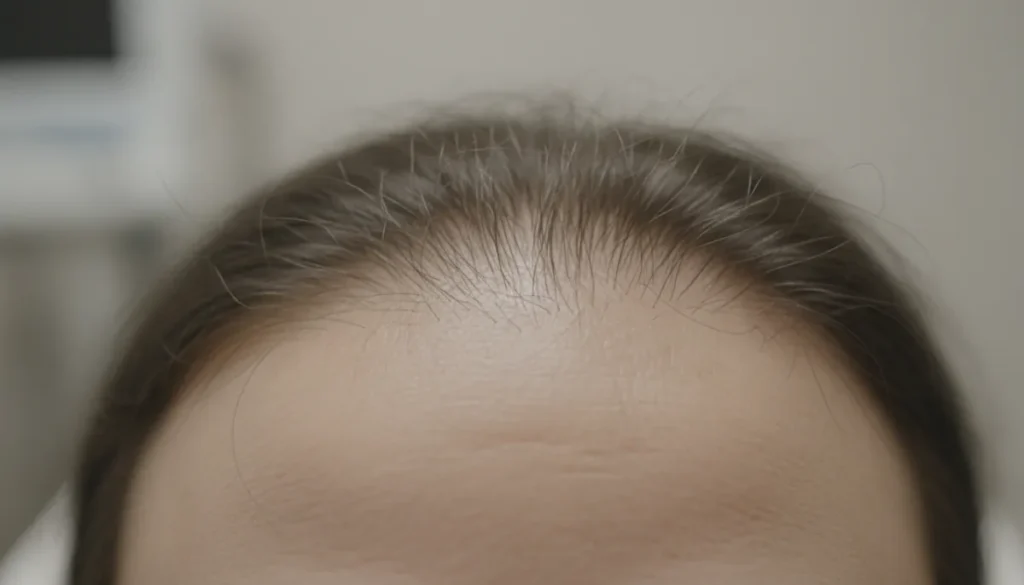
Diagnosing Early Signs and Differentiating Patterns
Spotting the first signs of front hair loss can be subtle. Common early indicators include a widening forehead, a “M” shaped recession at the temples, or a noticeable thinning along the hairline. Distinguishing these signs from other alopecia types helps clinicians tailor treatment plans.
Below is a comparison of front hair loss patterns versus other common alopecia conditions:
| Condition | Typical Location | Hair Follicle Status | Progression Speed |
|---|---|---|---|
| Androgenetic Alopecia (front) | Hairline, temples | Miniaturized, progressive | Slow to moderate |
| Telogen Effluvium | Diffuse, may include front | Shedding, follicles intact | Rapid, often reversible |
| Frontal Fibrosing Alopecia | Forehead margin | Scarring, permanent loss | Gradual |
A thorough clinical exam, often supplemented by a scalp biopsy or dermatoscopic imaging, provides the definitive diagnosis. Early detection opens the door to interventions that can halt or even reverse the thinning process.
Non‑Surgical Options and Lifestyle Adjustments
Before considering surgery, many patients explore non‑invasive strategies that can slow or improve front hair loss. These options are often used in combination for optimal results.
Key non‑surgical approaches include:
- Topical Minoxidil – a vasodilator that prolongs the anagen phase.
- Oral Finasteride – a 5‑alpha‑reductase inhibitor that reduces DHT levels.
- Low‑Level Laser Therapy (LLLT) – stimulates cellular metabolism in follicles.
- Platelet‑Rich Plasma (PRP) injections – delivers growth factors to rejuvenate dormant follicles.
- Nutritional support – adequate protein, iron, zinc, and biotin intake.
Adopting gentle hair‑care practices—avoiding tight ponytails, reducing heat styling, and using sulfate‑free shampoos—helps prevent traction and mechanical damage that can worsen front thinning.
While these methods can be effective, they typically require consistent, long‑term use and may not fully restore a receded hairline for advanced cases.
Surgical Hair Restoration: FUE, DHI, and Advanced Techniques
When non‑surgical measures fall short, surgical restoration offers a permanent solution to balding at the front. The two most popular methods are Follicular Unit Extraction (FUE) and Direct Hair Implantation (DHI). Both techniques harvest healthy follicles from a donor area—typically the back of the scalp—and implant them into the frontal zone to recreate a natural hairline.
Key differences between the methods are summarized below:
| Technique | Extraction Method | Implantation Tool | Typical Recovery Time | Ideal Candidate |
|---|---|---|---|---|
| FUE | Individual follicle punches (0.8‑1.0 mm) | Standard implanter pens | 7‑10 days | Moderate to extensive front loss |
| DHI | Same as FUE | Choi implanter pen (direct implantation) | 5‑7 days | Patients seeking higher precision and density |
Both FUE and DHI preserve the donor area, minimize scarring, and allow for a natural‑looking angle of hair growth. The choice depends on the desired density, the surgeon’s expertise, and the patient’s specific hairline design goals.
In addition to scalp restoration, Gold City Hair also offers eyebrow and beard transplants using the same meticulous techniques, providing a comprehensive solution for all facial hair concerns.
Choosing the Right Clinic and What to Expect
Selecting a qualified clinic is critical for a successful outcome. Patients should evaluate the following criteria:
- Board‑certified surgeons with extensive FUE/DHI experience.
- Transparent pre‑operative assessment, including photography and scalp analysis.
- Personalized treatment plans that consider hairline design, donor density, and aesthetic goals.
- Post‑operative support, such as medication protocols and follow‑up visits.
- Accredited facilities adhering to international hygiene standards.
The typical journey begins with an online consultation, followed by a detailed in‑person evaluation. Once a plan is approved, the procedure lasts 6‑8 hours depending on graft volume. Post‑procedure, patients can expect mild redness and scabbing that resolves within two weeks, with final results becoming visible after 3‑4 months as transplanted hairs enter the growth phase.
Choosing a clinic that offers comprehensive care—from initial screening to long‑term maintenance—maximizes the likelihood of achieving a natural, lasting hairline.
Why Choose Gold City Hair for Front Hair Restoration
Gold City Hair combines over six years of expertise in FUE, DHI, and facial hair transplantation with a patient‑centered approach. Our team delivers personalized treatment plans, transparent communication, and meticulous surgical execution to ensure natural‑looking results. Located in Turkey, we provide cost‑effective solutions without compromising on quality, safety, or post‑operative care.
Ready to regain confidence with a restored hairline? Contact Gold City Hair today to schedule your free consultation and discover a tailored solution for your front hair loss.
Take the first step toward a fuller, youthful appearance—your journey to lasting results starts now.
SSS
What causes front hair loss?
Front hair loss is mainly caused by androgenetic alopecia, but can also result from traction, hormonal changes, or stress.
How can I diagnose early signs of front hair loss?
Look for a widening forehead, an “M”‑shaped recession at the temples, or thinning along the hairline, and confirm with a scalp exam.
What non‑surgical treatments are effective for front hair loss?
Topical minoxidil, oral finasteride, low‑level laser therapy, PRP injections, and proper nutrition are common non‑surgical options.
What are the differences between FUE and DHI hair transplant techniques?
Both harvest follicles from the donor area, but DHI uses a Choi pen for direct implantation, offering higher precision and slightly faster recovery.
How should I choose the right clinic for front hair restoration?
Look for board‑certified surgeons, transparent assessments, personalized plans, post‑op support, and accredited facilities.
Why is Gold City Hair recommended for front hair restoration?
Gold City Hair offers over six years of FUE and DHI expertise, personalized care, and cost‑effective solutions in Turkey.





