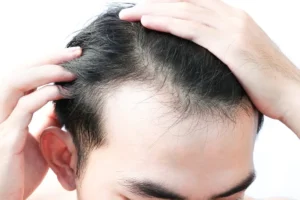
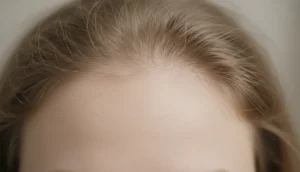
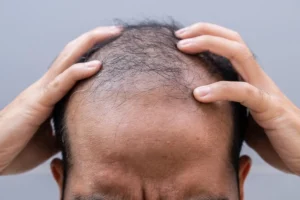
If you are searching for a hair thinning at front female treatment, you are not alone. Millions of women notice a gradual loss of density along the hairline, and the emotional impact can be significant. Understanding why this pattern occurs and what solutions exist is the first step toward regaining confidence.
In this article we will explore the underlying causes of front hair thinning in women, review both non‑surgical and surgical options, and provide practical guidance on post‑treatment care. Whether you are considering medical therapies, hair‑restoration procedures, or lifestyle adjustments, the information here is designed to help you make an informed decision.
Recent studies suggest that up to 40 % of women experience noticeable recession of the frontal hairline by the age of 45. This statistic underscores the importance of early detection and timely intervention. By the end of the guide, you will understand how modern techniques such as FUE and DHI can address the specific challenges of a hair thinning at front female treatment and how to choose a clinic that prioritizes safety and results.
Understanding Front Hair Thinning in Women
Front hair thinning in women is often a manifestation of underlying hormonal and genetic factors. The most common diagnosis is female pattern baldness, also known as androgenetic alopecia. Unlike male pattern baldness, which typically presents with a receding hairline and vertex thinning, women often experience a diffuse thinning that starts at the temples and progresses toward the crown.
Key contributors include:
- Elevated levels of dihydrotestosterone (DHT) that miniaturize hair follicles.
- Age‑related decline in hair growth cycles, leading to a higher proportion of hairs in the telogen (resting) phase.
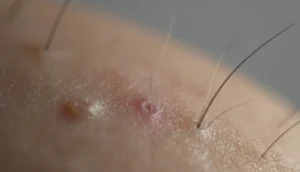
- Autoimmune conditions such as alopecia areata, which can cause patchy hair loss.
- Stress, nutritional deficiencies, and certain medications that accelerate shedding.
Understanding these causes is essential because treatment strategies differ. For example, a hair thinning at front female treatment that targets hormonal pathways (like low‑dose oral contraceptives or anti‑androgens) will not be effective for alopecia caused by autoimmune activity, which may require corticosteroid injections.
Diagnostic evaluation typically involves a scalp examination by a dermatologist, trichoscopy, and sometimes blood tests to assess hormone levels and nutritional status. Early identification of the specific cause allows for a tailored approach that maximizes hair regrowth while minimizing unnecessary interventions.
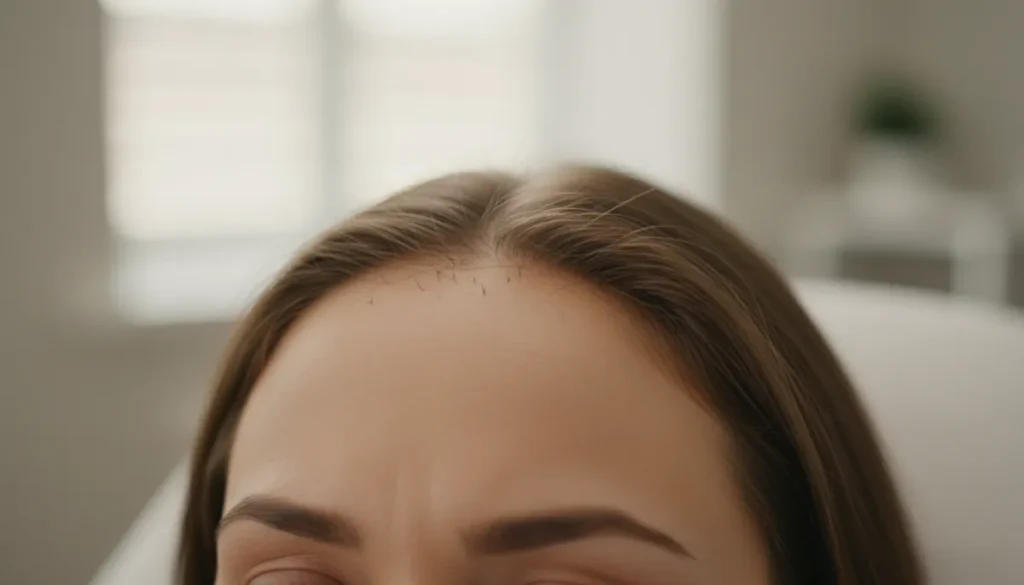
Non‑Surgical Treatment Options
Before considering surgery, many women explore non‑invasive therapies that can stimulate hair growth and improve the appearance of a hair thinning at front female treatment. These options are often combined for synergistic effects.
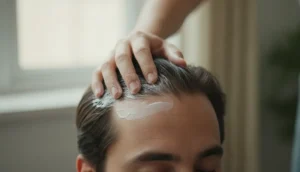
Topical and oral products:
- Minoxidil – the only FDA‑approved topical solution for women, typically at a 2 % concentration.
- Finasteride (low‑dose) – although primarily used in men, some clinicians prescribe it off‑label for women after thorough evaluation.
- Hair growth supplements – formulations containing biotin, zinc, and saw palmetto have shown modest benefits.
- Best hair growth products – include peptides like copper‑tripeptide‑1 that target follicular health.
Procedural modalities that complement product use include:
- Low‑level laser therapy (LLLT) – devices ranging from combs to helmets that deliver red light to stimulate follicles.
- Platelet‑rich plasma (PRP) injections – concentrate growth factors from the patient’s own blood to promote regeneration.
- Microneedling – creates micro‑injuries that enhance product absorption and trigger wound‑healing pathways.
While these treatments can be effective, expectations should be realistic. Most patients see measurable improvement after 3–6 months of consistent use. Combining therapies (e.g., minoxidil with PRP) often yields the best outcomes for a hair thinning at front female treatment.
Surgical Solutions: FUE and DHI
When non‑surgical methods are insufficient, surgical hair restoration offers a permanent solution for a hair thinning at front female treatment. Two of the most advanced techniques are Follicular Unit Extraction (FUE) and Direct Hair Implantation (DHI).
Both procedures involve harvesting healthy follicles from a donor area (typically the back of the head) and transplanting them into the thinning frontal zone. The main differences lie in extraction and implantation methods.
| Feature | FUE | DHI |
|---|---|---|
| Extraction | Individual follicles are removed using a micro‑punch. | Same extraction method, but follicles are loaded into a Choi pen immediately. |
| Implantation | Grafts are placed into pre‑made channels. | Grafts are implanted directly without pre‑making channels. |
| Recovery Time | 7–10 days for minor swelling. | 5–7 days, often less postoperative discomfort. |
| Ideal Candidates | Patients with moderate to extensive thinning. | Patients seeking higher density in a focused frontal area. |
Both FUE and DHI provide natural‑looking results when performed by experienced surgeons. For a hair thinning at front female treatment, DHI may offer a slight advantage in achieving a denser, more precise hairline due to its no‑channel approach.
Success rates for modern hair transplantation exceed 90 % graft survival, and most women report a noticeable improvement in hair density within 8–12 months. The key to optimal outcomes is proper patient selection, realistic expectations, and meticulous postoperative care.
Caring for Your Transplanted Hair
Post‑operative care is as crucial as the surgery itself for a successful hair thinning at front female treatment. Proper after‑care maximizes graft survival and accelerates the healing process.
Key recommendations include:
- Avoid direct sun exposure and wear a loose‑fitting hat for the first two weeks.
- Gentle shampooing with a mild, sulfate‑free cleanser starting 48 hours after surgery.
- Daily scalp massage (soft strokes) after the first week to improve blood flow.
- Follow a balanced diet rich in proteins, iron, and omega‑3 fatty acids; consider best vitamins for hair growth such as biotin and vitamin D.
- Consult a dermatologist for thinning hair if you notice any signs of infection or excessive shedding.
Supplemental support with hair growth supplements for women can further enhance results. Products containing collagen peptides, L‑cysteine, and saw palmetto are frequently recommended by clinicians to sustain follicle health.
Regular follow‑up appointments allow the surgeon to monitor graft integration and address any concerns promptly. Most patients achieve full maturity of the transplanted hair by the twelve‑month mark, at which point the final aesthetic outcome becomes apparent.
Choosing the Right Clinic
Selecting a reputable clinic is a decisive factor in the success of a hair thinning at front female treatment. Patients should evaluate several criteria before committing to a program.
Important considerations:
- Credentials of the surgical team – board‑certified dermatologists or plastic surgeons with specialized training in FUE/DHI.
- Transparency – clear communication about costs, expected results, and possible risks.
- Patient testimonials and before‑after galleries that demonstrate realistic outcomes.
- Facility standards – adherence to international hygiene protocols and use of state‑of‑the‑art equipment.
- After‑care support – availability of follow‑up visits and guidance on postoperative regimens.
Gold City Hair meets and exceeds these expectations. Since 2017, the clinic has refined its approach to hair restoration, offering personalized treatment plans that align with each patient’s unique hair characteristics and aesthetic goals.
By partnering with a clinic that prioritizes transparent communication and a personalized experience, you can embark on your hair restoration journey with confidence and clarity.
Why Choose Gold City Hair
Gold City Hair combines cutting‑edge technology with a patient‑focused philosophy. Our team of experienced surgeons specializes in FUE and DHI techniques, delivering natural‑looking hairlines tailored to each individual’s facial features. Since 2017, we have helped countless women overcome front hair thinning, restoring confidence and vitality.
We pride ourselves on transparent communication, personalized treatment plans, and meticulous after‑care monitoring. Our clinic adheres to the highest international standards, ensuring safety, comfort, and lasting results for every patient.
Ready to restore a fuller, natural‑looking hairline? Contact Gold City Hair today to schedule a confidential consultation and discover the most effective hair thinning at front female treatment options for you.
Take the first step toward renewed confidence—your journey begins now.
SSS
What causes front hair thinning in women?
Front hair thinning in women is usually due to hormonal changes, genetics, aging, autoimmune conditions, stress, and nutritional deficiencies.
Are non‑surgical treatments effective for front hair thinning?
Yes, topical minoxidil, oral medications, supplements, low‑level laser therapy, PRP, and microneedling can improve density when used consistently.
What is the difference between FUE and DHI hair transplant techniques?
Both extract follicles from a donor area, but DHI implants grafts directly with a Choi pen, eliminating the need for pre‑made channels.
How should I care for my hair after a transplant?
Avoid sun, use gentle shampoo, massage the scalp gently after a week, maintain a protein‑rich diet, and follow your surgeon’s follow‑up schedule.
What should I look for when choosing a hair restoration clinic?
Select a clinic with board‑certified surgeons, transparent pricing, strong patient testimonials, high hygiene standards, and comprehensive after‑care support.