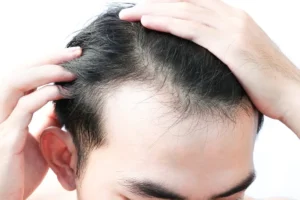
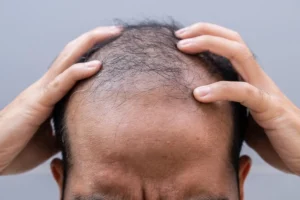
At the core of every strand of hair lies the hair bulb, a tiny but vital structure that fuels growth and determines the health of your hair. Whether you are noticing thinning patches, dealing with itchy scalp bumps, or simply curious about why some hairs appear with a white tip, the hair bulb holds the answers. In this article we will explore where the hair bulb is located, how it works, the common issues that can affect it—such as folliculitis and infections—and the best practices for keeping it thriving.
Hair loss affects millions worldwide, and understanding the biology behind it can empower you to make informed decisions about treatment options. Recent studies show that up to 60% of men and women experience some form of follicle‑related inflammation during their lifetime, highlighting the importance of caring for the hair bulb.
We will also examine how modern hair transplant methods, including FUE and DHI, target the hair bulb to deliver natural, lasting results. By the end of this guide, you’ll have a clear picture of the hair bulb’s role and how to protect it for fuller, healthier hair.
Anatomy of the Hair Bulb and Its Role in Hair Growth
The hair bulb is the rounded base of the hair follicle located deep within the dermis. It houses rapidly dividing cells that form the hair shaft and pigment cells that give hair its color. Blood vessels surround the bulb, delivering essential nutrients and oxygen that drive the anagen (growth) phase.
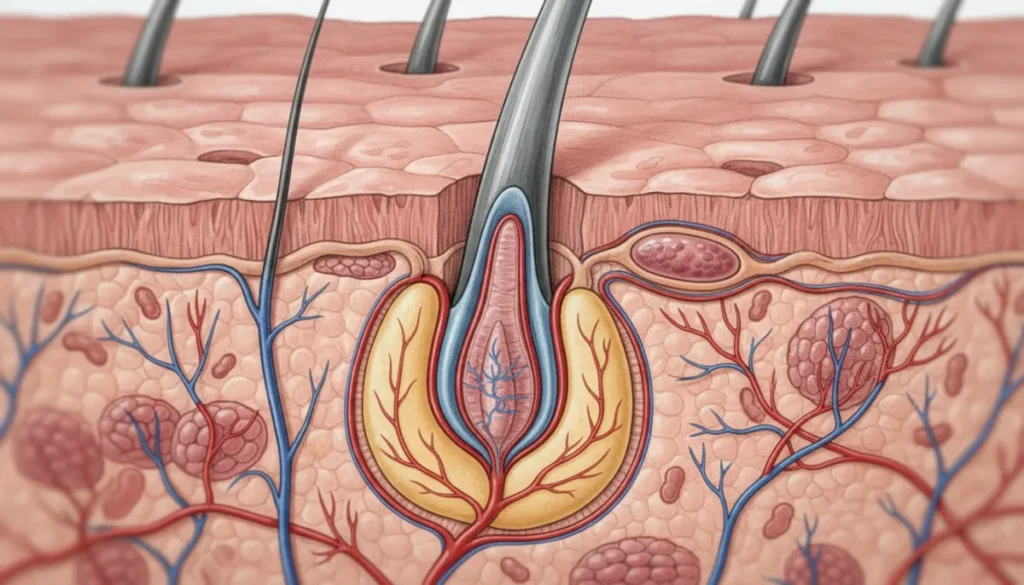
Location within the Follicle
- Dermal Papilla: A cluster of specialized fibroblasts that interact with the hair bulb to regulate growth.
- Matrix Cells: Stem‑like cells in the bulb that proliferate to produce the hair shaft.
- Melanocytes: Pigment‑producing cells that travel upward with the shaft, determining hair color.
Cell Types and Functions
Matrix cells are the engine of hair production. They divide rapidly during the anagen phase, pushing older cells upward to form the hair shaft. The dermal papilla supplies growth factors, while melanocytes add pigment. Disruption to any of these components can impair hair quality and lead to conditions such as premature graying or weakened strands.
| Component | Primary Role | Impact of Damage |
|---|---|---|
| Dermal Papilla | Provides nutrients and signaling molecules | Reduced growth rate, miniaturization |
| Matrix Cells | Generate new hair cells | Hair thinning, breakage |
| Melanocytes | Produce melanin for color | Premature white hairs |
Common Issues Affecting the Hair Bulb: Folliculitis and Infections
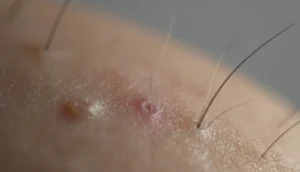
Even a well‑nourished hair bulb can fall victim to inflammation and infection. Folliculitis—an inflammation of the hair follicle—often begins at the bulb, where bacterial or fungal agents can invade.
Types of Folliculitis
- Bacterial Folliculitis: Often caused by Staphylococcus aureus, leading to painful, pus‑filled papules.
- Fungal Folliculitis: Yeast or dermatophyte infections that produce itchy, scaly lesions.
- Pseudofolliculitis Barbae: Ingrown hair inflammation common after shaving, especially in the beard area.
Symptoms include redness, itching, and small pustules that may ooze. If left untreated, the infection can spread deeper, damaging the hair bulb and potentially causing permanent hair loss.
Prevention and Treatment
Good hygiene, avoiding tight headgear, and using non‑comedogenic skin products can reduce risk. For active infections, topical antibiotics, antifungal creams, or oral medications prescribed by a dermatologist are effective. Always seek professional advice if symptoms persist beyond a week.
How Hair Transplant Procedures Target the Hair Bulb for Natural Results
Modern hair restoration focuses on preserving the integrity of the hair bulb during extraction and implantation. Techniques such as Follicular Unit Extraction (FUE) and Direct Hair Implantation (DHI) are designed to minimize trauma to the bulb, ensuring grafts retain their growth potential.
| Technique | Bulb Handling | Avantajlar |
|---|---|---|
| FUE | Individual follicles harvested with a micro‑punch, preserving the bulb | Minimal scarring, quick recovery |
| DHI | Implantation using a Choi pen, placing the bulb directly into the recipient site | Higher graft survival, precise depth control |
| Strip Harvest (FUT) | Linear strip removed, then dissected; higher risk of bulb damage | Suitable for large sessions, lower cost per graft |
Gold City Hair’s experienced surgeons prioritize the health of each hair bulb, using high‑resolution microscopes and gentle extraction tools. This meticulous approach translates into natural‑looking density and long‑term durability.
Maintaining a Healthy Hair Bulb: Daily Care and Lifestyle Tips
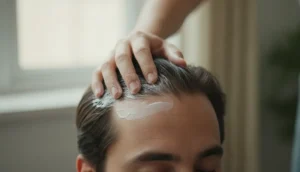
Beyond medical interventions, everyday habits play a crucial role in supporting the hair bulb’s function. Proper scalp care, nutrition, and stress management create an environment where the bulb can thrive.
Top Care Practices
- Scalp Massage: Stimulates blood circulation, delivering oxygen and nutrients to the bulb.
- Balanced Diet: Include proteins, omega‑3 fatty acids, iron, and vitamins A, C, D, and E.
- Avoid Harsh Chemicals: Use sulfate‑free shampoos and limit heat styling.
- Protect from UV: Wear hats or use sunscreen sprays for scalp protection.
- Stress Reduction: Practices like meditation or regular exercise lower cortisol, which can disrupt the hair growth cycle.
Regularly inspecting your scalp for early signs of folliculitis—such as tiny red bumps—allows prompt treatment before the bulb is compromised.
Myths and Facts About the White Bulb at the End of Hair Strands
Many people notice a small white tip at the end of a hair strand and wonder if it signals damage. This “white bulb” is actually the keratinized tip of the hair shaft, not a living part of the hair bulb itself.
Common Misconceptions
- Myth: The white tip means the hair is dead and will not grow back.
- Fact: The living portion of the hair resides in the bulb deep within the follicle; the tip is merely shed keratin.
- Myth: Cutting off the white tip will make hair grow faster.
- Fact: Trimming does not affect the bulb’s activity; growth rate is governed by the follicle’s biology.
If you notice an increase in white‑tipped hairs alongside thinning, it may indicate reduced melanin production in the bulb, a natural part of aging. Maintaining a healthy scalp environment can help preserve pigment and overall hair vitality.
Why Choose Gold City Hair
Gold City Hair has been delivering personalized hair restoration solutions in Turkey since 2017. Our clinic combines advanced FUE and DHI techniques with meticulous care for each hair bulb, ensuring optimal graft survival and natural results. Transparent communication, a dedicated medical team, and a commitment to patient confidence set us apart as a trusted partner on your journey to fuller hair.
Ready to restore your hair’s natural density? Contact Gold City Hair today to schedule a personalized consultation and take the first step toward a confident new you.
SSS
What is the hair bulb and where is it located?
The hair bulb is the rounded base of the hair follicle located deep in the dermis, housing cells that form the hair shaft and pigment.
How does folliculitis affect the hair bulb?
Folliculitis inflames the follicle, often starting at the bulb, and can damage the bulb if the infection spreads.
What are the differences between FUE and DHI hair transplant techniques?
FUE extracts individual follicles with a micro‑punch, while DHI implants them directly using a Choi pen for precise depth control.
How can I care for my hair bulb daily?
Gentle scalp massage, a balanced diet, sulfate‑free shampoos, UV protection, and stress reduction support bulb health.
Does the white tip at the end of a hair strand indicate damage?
No, the white tip is a normal keratinized end of the hair shaft, not a sign of damage to the living bulb.
Can nutrition improve hair bulb health?
Yes, nutrients like protein, iron, omega‑3s, and vitamins support the cells in the hair bulb and promote robust growth.