When a hair bulb pulled out occurs, many people experience surprise, mild pain, and concern about future hair growth. This article explains the biological process behind a hair bulb being removed, the short‑term and long‑term effects on the scalp, and practical steps you can take to protect your hair health. According to dermatology studies, improper handling of hair can increase the risk of ingrown hair and scalp infections, especially if the follicle is damaged.
Whether the removal is accidental—such as during aggressive brushing—or intentional, understanding the underlying mechanisms helps you make informed decisions about after‑care and prevention. In the following sections we will explore the anatomy of the hair follicle, common causes of accidental removal, proper scalp care, warning signs that require medical attention, and evidence‑based strategies to keep your hair follicles healthy.
By the end of this guide, you will know exactly how to respond when a hair bulb is pulled out, how to minimize complications, and when a professional hair restoration clinic like Gold City Hair can provide advanced solutions.
What Happens When a Hair Bulb Is Pulled Out?
The hair bulb is the rounded, living portion at the base of the hair shaft that sits deep within the hair follicle. It contains rapidly dividing cells that generate the hair shaft and a network of blood vessels that supply nutrients. When the bulb is forcibly removed, the follicle may be partially or completely disrupted.
Immediate effects typically include:
- Localized redness and mild swelling.
- A small amount of bleeding as tiny capillaries are broken.
- Transient pain that subsides within a few minutes.
Beyond the acute response, the scalp can experience longer‑term changes:
- Inflammation that may persist for several days, creating an environment conducive to bacterial growth.
- Potential development of an ingrown hair if the remaining follicle tissue attempts to regrow a hair that cannot exit the skin properly.
- In rare cases, formation of a small cyst or scar tissue that could affect future hair growth in that area.
Understanding these processes is essential for effective after‑care. If the hair bulb is removed cleanly without damaging surrounding tissue, the follicle often recovers and produces a new hair within weeks. However, repeated trauma or improper handling can lead to permanent follicular damage.
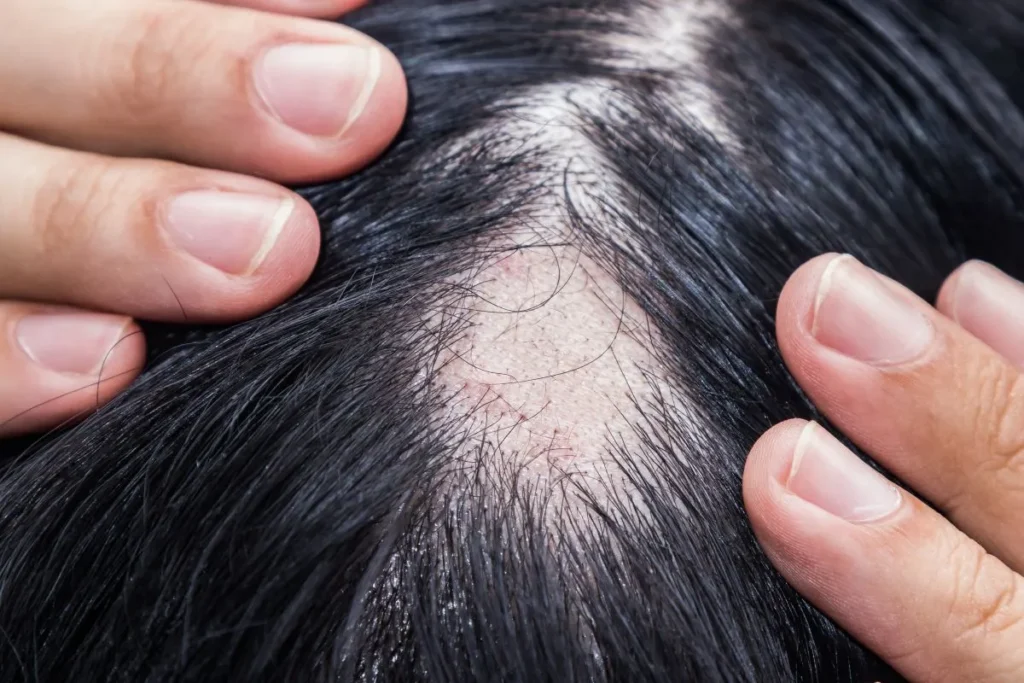
Common Causes of Accidental Hair Bulb Removal
While some people intentionally pull out hair as part of a grooming routine, many instances of a hair bulb being pulled out happen unintentionally. The most frequent triggers include:
- Aggressive brushing or combing—especially with fine or tangled hair.
- Improper use of hair removal tools such as tweezers or epilators.
- Excessive tension from tight hairstyles like ponytails, braids, or hair extensions.
- Psychological conditions such as trichotillomania, where individuals feel compelled to pull out their own hair.
- Accidental snagging on clothing, jewelry, or sports equipment.
In the case of trichotillomania, the repeated pulling can lead to chronic follicular trauma, increasing the risk of permanent hair loss and scalp inflammation. Similarly, improper waxing or threading can sometimes extract the hair shaft along with the bulb, especially if the skin is stretched too tightly.
| Cause | Typical Scenario | Risk of Bulb Damage |
|---|---|---|
| Aggressive Brushing | Daily grooming with a stiff brush | Low to moderate |
| Tight Hairstyles | Frequent ponytails, braids | Moderate |
| Trichotillomania | Compulsive pulling episodes | High |
| Improper Waxing | Wax applied too hot or removed too quickly | Moderate to high |
Recognizing these triggers helps you adjust habits to reduce the likelihood of a hair bulb being pulled out unintentionally.
How to Care for the Scalp After a Hair Bulb Is Pulled Out
Proper after‑care minimizes infection risk and supports follicle recovery. Follow these steps within the first 24‑48 hours:
- Cleanse gently with lukewarm water and a mild, fragrance‑free cleanser to remove debris.
- Apply a thin layer of a non‑comedogenic antiseptic ointment to prevent bacterial growth.
- Avoid tight headwear or hats that can rub against the wound.
- Refrain from scratching or picking at the area, as this can introduce pathogens.
For the following days, continue to monitor the site for signs of infection such as increasing redness, swelling, pus, or a throbbing pain. If an ingrown hair begins to form, a warm compress can help the hair emerge naturally. In cases where a hard lump develops, it may be an ingrown hair cyst that requires professional extraction.
Additional supportive measures include:
- Keeping the scalp moisturized with a lightweight, non‑oil‑based moisturizer.
- Using a mild, over‑the‑counter anti‑inflammatory cream if swelling persists.
- Maintaining a balanced diet rich in vitamins A, C, D, and biotin to promote healthy hair growth.
These practices not only aid healing but also reinforce the surrounding follicles, reducing the chance of future hair bulb loss.
When to Seek Professional Help: Signs of Complications
Most minor scalp injuries heal without medical intervention, but certain warning signs indicate that professional care is necessary. Look out for:
- Persistent pain lasting more than 48 hours.
- Rapidly spreading redness or a fever, suggesting systemic infection.
- Formation of a hard, painful lump that does not soften with warm compresses.
- Visible pus or foul odor from the site.
- Noticeable hair loss extending beyond the original area, which may signal follicular damage.
Dermatologists can assess whether an infected hair bulb or deeper follicular injury has occurred. Treatment options may include oral antibiotics, minor surgical removal of a cyst, or laser therapy to reduce scar tissue. In cases where the follicle is irreversibly damaged, a hair restoration procedure such as Follicular Unit Extraction (FUE) performed by specialists at Gold City Hair can provide a lasting solution.
Early intervention not only prevents worsening infection but also preserves the surrounding healthy follicles, maintaining overall scalp health.
Preventing Future Hair Bulb Loss: Best Practices
Proactive habits are the most effective defense against accidental hair bulb removal. Incorporate the following strategies into your routine:
- Use gentle hair tools—choose wide‑tooth combs and soft bristle brushes.
- Limit the use of tight hairstyles; opt for loose buns or ponytails with fabric-friendly bands.
- Maintain scalp hygiene with regular, mild cleansing to prevent buildup that can trap hairs.
- Apply a light, non‑comedogenic moisturizer to keep the skin supple.
- Address underlying conditions such as trichotillomania with behavioral therapy or counseling.
- Consider periodic professional scalp assessments to detect early signs of ingrown hairs or follicular stress.
For individuals prone to ingrown hair in areas like the beard or eyebrows, specialized grooming techniques—such as exfoliating the skin gently once a week—can reduce the likelihood of hair growing back into the skin.
Myths and Misconceptions About Hair Bulb Removal
Several myths circulate online regarding the consequences of a hair bulb being pulled out. Let’s clarify the most common misunderstandings:
- Myth: Pulling out a hair bulb permanently stops hair growth forever.
Fact: If the follicle remains intact, it can regenerate a new hair. Permanent loss only occurs when the follicle is destroyed. - Myth: All ingrown hairs are caused by pulling out the hair bulb.
Fact: Ingrown hairs often result from improper shaving or tight clothing, not necessarily from bulb removal. - Myth: Over‑the‑counter creams can fully reverse follicular damage.
Fact: Topical treatments can aid healing but cannot rebuild a destroyed follicle; surgical restoration may be required.
Understanding the truth behind these myths empowers you to make realistic expectations about scalp health and the need for professional intervention when appropriate.
Why Choose Gold City Hair
Gold City Hair has been a trusted hair transplant center in Turkey since 2017, offering state‑of‑the‑art techniques such as FUE, DHI, and eyebrow or beard transplants. Our team prioritizes personalized treatment plans, transparent communication, and meticulous after‑care to ensure optimal results. Whether you are dealing with the aftermath of a hair bulb pulled out or seeking a permanent restoration solution, our experienced specialists provide safe, effective, and lasting outcomes.
Ready to protect your hair and restore confidence? Contact Gold City Hair today for a personalized consultation and discover the best path to healthy, thriving hair.
SSS
What immediate symptoms appear when a hair bulb is pulled out?
You may notice localized redness, mild swelling, a small amount of bleeding, and brief pain that fades within minutes.
How can I prevent accidental hair bulb removal during daily grooming?
Use gentle tools, avoid tight hairstyles, and handle hair with care to reduce pulling risk.
What after‑care steps should I follow in the first 48 hours after a hair bulb is pulled out?
Clean gently, apply a non‑comedogenic antiseptic, avoid tight headwear, and monitor for infection signs.
When is it necessary to see a dermatologist after a hair bulb injury?
Seek help if pain lasts over 48 hours, redness spreads, pus appears, or a hard lump forms.
Can a hair bulb that’s been pulled out ever grow back?
Yes, if the follicle remains intact, it can regenerate a new hair within weeks.





