Hair follicle disorders affect millions worldwide, leading to hair loss, scalp irritation, and reduced self‑esteem. Recognizing the early signs of these conditions is essential for effective treatment and prevention of permanent damage. In this article we will examine the most common disorders, their underlying causes, diagnostic methods, and the range of treatment options available today.
According to recent dermatological surveys, up to 30% of adults experience some form of follicular issue during their lifetime, with folliculitis ve alopecia areata being the most frequently reported. Understanding how these problems develop empowers you to seek timely professional care, whether through medical therapy or advanced hair restoration techniques.
We will also discuss how a specialized clinic like Gold City Hair integrates modern transplant methods—such as FUE and DHI—to address hair loss that results from follicular damage, offering a personalized pathway to renewed confidence.
Common Types of Hair Follicle Disorders
Several distinct conditions fall under the umbrella of hair follicle disorders, each with unique characteristics and treatment considerations.
Folikülit
Folliculitis is an inflammation of the hair follicle often caused by bacterial infection, typically Staphylococcus aureus. It appears as red bumps or pustules around the hair shaft and can affect any hair‑bearing area, including the scalp, beard, and legs.
Alopesi Areata
Alopecia areata is an autoimmune condition where the immune system mistakenly attacks hair follicles, leading to sudden, patchy hair loss. While the exact trigger remains unclear, stress and genetic predisposition play significant roles.
Androgenetik Alopesi
Commonly known as male or female pattern baldness, androgenetic alopecia results from hormonal influences—particularly dihydrotestosterone (DHT)—that shrink hair follicles over time. This progressive thinning often starts at the temples or crown.
Pseudofolliculitis Barbae
Also called razor bumps, this condition occurs when shaved hairs re‑enter the skin, causing inflammation and papules, especially in men with curly hair.
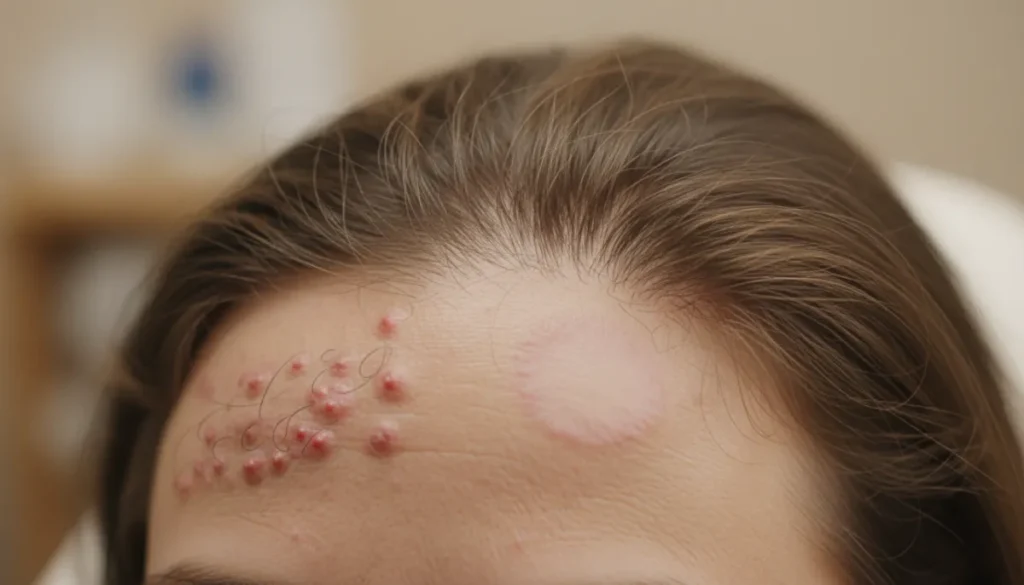
The table below summarizes key features of these disorders:
| Disorder | Primary Cause | Typical Appearance | Common Areas |
|---|---|---|---|
| Folikülit | Bacterial infection | Red papules, pustules | Scalp, beard, legs |
| Alopesi Areata | Autoimmune attack | Round, smooth bald patches | Scalp, eyebrows |
| Androgenetik Alopesi | Hormonal (DHT) | Gradual thinning, receding hairline | Temples, crown |
| Pseudofolliculitis Barbae | Ingrown hairs | Razor bumps, papules | Beard area |
Causes and Risk Factors
Understanding what triggers hair follicle disorders helps you minimize exposure to aggravating factors and adopt preventive habits.
- Genetics: Family history strongly influences conditions like androgenetic alopecia and alopecia areata.
- Hormonal Imbalance: Elevated DHT levels shrink follicles, while thyroid disorders can disrupt the hair growth cycle.
- Bacterial or Fungal Infections: Staphylococcal or candida overgrowth can lead to folliculitis and scalp folliculitis.
- Mechanical Irritation: Tight hairstyles, frequent shaving, or harsh hair products can cause pseudofolliculitis barbae and follicular inflammation.
- Stress and Nutrition: Chronic stress and deficiencies in iron, zinc, or vitamin D may exacerbate telogen effluvium and other thinning conditions.
Other contributors include hot‑tub exposure leading to hot‑tub folliculitis, and certain medications that disrupt the hair cycle. By identifying these risk factors, you can work with a dermatologist or hair restoration specialist to tailor a comprehensive management plan.
Symptoms and How to Recognize Early Signs
Early detection of hair follicle disorders can dramatically improve treatment outcomes. While each condition presents uniquely, several overlapping symptoms warrant attention.
- Red, itchy bumps or pustules on the scalp or facial hair zones.
- Sudden patchy hair loss without obvious trauma.
- Gradual thinning along the hairline or crown.
- Visible ingrown hairs causing papules after shaving.
- Scalp tenderness, burning, or flaking.
If you notice any of these signs persisting for more than two weeks, it is advisable to seek professional evaluation. Prompt intervention can prevent progression to permanent follicular damage.
Diagnosis and Medical Evaluation
Accurate diagnosis is the cornerstone of effective therapy. Dermatologists employ a combination of visual examination and specialized tools to differentiate among hair follicle disorders.
Clinical Examination
The physician inspects the scalp and affected areas, noting lesion morphology, distribution, and any accompanying inflammation.
Trichoscopy
This non‑invasive dermatoscopic technique magnifies the hair shaft and follicle, revealing characteristic patterns such as “exclamation mark” hairs in alopecia areata or miniaturized follicles in androgenetic alopecia.
Biopsy
In ambiguous cases, a small scalp biopsy may be performed to assess follicular architecture and inflammatory infiltrates under microscopy.
Diagnostic tools comparison:
| Tool | Purpose | Invasiveness | Typical Use |
|---|---|---|---|
| Visual Exam | Identify visible lesions | None | Initial screening |
| Trichoscopy | Magnify follicle details | None | Distinguish types of alopecia |
| Scalp Biopsy | Histological analysis | Minor | Unclear diagnoses |
Treatment Options and Lifestyle Management
Therapeutic strategies vary according to the specific disorder, severity, and patient goals. Below is an overview of the most common approaches.
Medical Therapies
- Topical Corticosteroids: Reduce inflammation in alopecia areata and severe folliculitis.
- Antibiotics or Antifungals: Target bacterial or fungal infections causing folliculitis.
- Finasteride and Minoxidil: FDA‑approved agents for androgenetic alopecia that inhibit DHT or stimulate follicular growth.
- Oral Immunomodulators: Such as methotrexate for refractory alopecia areata.
Surgical Interventions
When follicular loss is permanent, hair transplantation offers a reliable solution. Techniques like Follicular Unit Extraction (FUE) and Direct Hair Implantation (DHI) relocate healthy follicles from donor zones to balding areas, restoring natural density.
Lifestyle Adjustments
- Adopt a balanced diet rich in iron, zinc, and vitamins A, D, and E.
- Manage stress through mindfulness, exercise, or therapy.
- Avoid harsh chemical treatments and excessive heat styling.
- Maintain scalp hygiene; use gentle, anti‑bacterial shampoos if prone to folliculitis.
Combining medical, surgical, and lifestyle measures often yields the best results, especially when guided by an experienced hair restoration team.
Why Choose Gold City Hair
Gold City Hair has been delivering personalized hair restoration solutions in Turkey since 2017. Our team combines expertise in FUE, DHI, and eyebrow/beard transplants with a commitment to transparent communication, ensuring each patient receives a tailored plan that addresses both medical and aesthetic goals. By integrating cutting‑edge technology with compassionate care, we help you regain confidence and a natural‑looking hairline.
Ready to take the first step toward healthier hair? Contact Gold City Hair today to schedule a comprehensive consultation and discover the most effective treatment for your specific hair follicle disorder.
Experience the confidence of a full, natural head of hair—book your appointment now.
SSS
What are the most common hair follicle disorders?
The most common disorders are folliculitis, alopecia areata, androgenetic alopecia, and pseudofolliculitis barbae.
How can I tell if I have folliculitis?
Folliculitis appears as red, itchy bumps or pustules around hair shafts, often on the scalp, beard, or legs.
What causes androgenetic alopecia?
Androgenetic alopecia is driven by genetics and the hormone dihydrotestosterone (DHT) that shrinks hair follicles over time.
What treatment options are available for alopecia areata?
Treatments include topical corticosteroids, intralesional injections, oral immunomodulators, and, in severe cases, hair transplantation.
When is a hair transplant recommended for follicular loss?
A transplant is advised when hair loss is permanent, the donor area is healthy, and the patient has realistic expectations.
How do lifestyle factors affect hair follicle health?
Stress, poor nutrition, harsh hair care, and hormonal imbalances can trigger or worsen follicle disorders.





