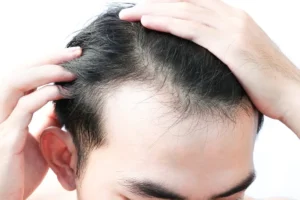
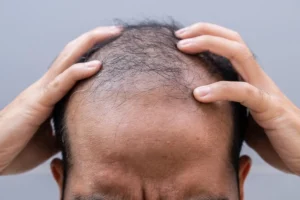
Many young women face hair loss in their twenties, a condition often described as hair loss in 20s female. Understanding why this happens and how to address it is essential for preserving both appearance and self‑esteem. Recent surveys suggest that up to 30 % of women notice noticeable thinning by age 25, making early intervention crucial.
This article delves into the underlying causes, early warning signs, and a spectrum of treatment options—from topical medications to state‑of‑the‑art hair transplant techniques. We also discuss lifestyle adjustments that support hair health and outline what to expect when choosing a surgical solution.
Whether you are just beginning to notice shedding or seeking a permanent restoration, the information below will guide you toward informed decisions and renewed confidence.
Understanding the Causes of Hair Loss in Young Women
Identifying the root cause is the first step toward effective management. In women in their twenties, hair loss can stem from hormonal fluctuations, genetic factors, and external stressors.
Hormonal Factors
Changes in estrogen and progesterone during menstrual cycles, pregnancy, and contraceptive use can trigger temporary shedding. Thyroid imbalances are also common culprits.
Genetik Yatkınlık
Family history of androgenetic alopecia increases the likelihood of early‑onset thinning, even if the pattern differs from the classic male presentation.
Lifestyle and Environmental Triggers
High stress levels, poor nutrition, and harsh hair‑care practices (tight hairstyles, excessive heat) can accelerate hair follicle miniaturization.
- Stress‑induced telogen effluvium
- Iron or vitamin D deficiency
- Frequent chemical treatments
- Exposure to pollutants
| Condition | Typical Pattern | Key Triggers |
|---|---|---|
| Androgenetik Alopesi | Diffuse thinning over crown | Genetics, hormonal sensitivity |
| Telogen Effluvium | Sudden shedding across scalp | Stress, illness, medication |
| Alopesi Areata | Yama şeklinde saç dökülmesi | Autoimmune response |

Recognizing the Signs and When to Seek Help
Early detection can prevent further progression. Look for subtle changes before they become pronounced.
Early Indicators
- Increased shedding during washing or styling
- Widening part line
- Reduced hair density on the crown
- Visible scalp in certain lighting
Diagnostic Steps
Consultation with a dermatologist or trichologist typically includes:
- Medical history review
- Scalp examination under magnification
- Blood tests for hormonal and nutritional markers
- Trichogram or scalp biopsy if needed
| Test | Purpose | Result Interpretation |
|---|---|---|
| Blood Panel | Check iron, thyroid, hormone levels | Identify systemic contributors |
| Trichogram | Assess hair growth cycle | Distinguish telogen from anagen phases |
| Scalp Biopsy | Confirm alopecia type | Differentiate autoimmune from genetic causes |
Treatment Options: From Medical Therapies to Surgical Solutions
Management strategies range from non‑invasive medications to advanced transplant procedures, each tailored to the underlying cause.
Topical and Oral Medications
Minoxidil (5 % solution) is the only FDA‑approved topical for women, promoting follicular growth. Oral finasteride is used off‑label under specialist supervision.
Platelet‑Rich Plasma (PRP)
PRP involves injecting concentrated platelets to stimulate stem cells and improve vascular supply, showing promising results for early‑stage thinning.
Hair Transplant Techniques
Modern extraction methods such as FUE (Follicular Unit Extraction) and DHI (Direct Hair Implantation) provide natural‑looking density with minimal scarring.
- FUE: Individual follicles are harvested and later implanted.
- DHI: Follicles are loaded into a specialized implanter and placed directly.
- Both techniques allow precise angle and direction control.
| Method | Recovery Time | Typical Graft Survival |
|---|---|---|
| Minoxidil | Continuous use | Variable, depends on adherence |
| PRP | 2‑3 days | 70‑80 % |
| FUE | 7‑10 days | 90‑95 % |
| DHI | 7‑10 days | 92‑96 % |
Lifestyle Changes and Natural Remedies to Support Hair Health
Complementary habits can enhance treatment outcomes and reduce further loss.
Beslenme
Protein, omega‑3 fatty acids, zinc, and biotin are vital for keratin production. Incorporate foods such as salmon, nuts, legumes, and leafy greens.
Scalp Care
Gentle cleansing, occasional scalp massage, and avoiding tight hairstyles help maintain follicle health.
Stress Management
Mind‑body practices like yoga, meditation, and regular exercise lower cortisol levels, which are linked to telogen effluvium.
- Drink at least 2 L of water daily
- Limit heat styling to twice a week
- Use sulfate‑free shampoos
- Schedule weekly relaxation sessions
Preparing for a Hair Transplant Journey: What to Expect
Choosing a surgical route requires careful planning. Below is a typical roadmap for a woman experiencing hair loss in 20s female who opts for a transplant.
Initial Consultation
A specialist evaluates your scalp, discusses goals, and determines suitability for FUE or DHI. Photographs and measurements establish a baseline.
Pre‑Procedure Protocol
Patients are advised to avoid anti‑inflammatory medications, smoking, and alcohol for several weeks. Hair is trimmed to facilitate graft extraction.
The Procedure Day
Under local anesthesia, follicles are harvested from the occipital donor zone and implanted into the thinning area. The process typically lasts 4‑8 hours depending on graft count.
Post‑Operative Care
Gentle washing begins after 48 hours. A protective cap may be worn for the first week. Follow‑up visits monitor graft survival and guide styling choices.
- Initial shedding of transplanted hairs (normal)
- Gradual regrowth visible after 3‑4 months
- Full results often seen at 12‑18 months
Why Choose Gold City Hair for Your Hair Restoration
Gold City Hair combines cutting‑edge FUE and DHI technologies with a personalized, transparent approach. Since 2017, the clinic has helped countless women regain confidence through tailored treatment plans and meticulous after‑care. Our experienced surgeons prioritize natural‑looking results, ensuring each patient feels supported throughout the journey.
Ready to reclaim your hair and confidence? Contact Gold City Hair today to schedule a free virtual consultation and discover the best solution for your unique needs.
SSS
What are the most common causes of hair loss in women in their twenties?
Hormonal changes, genetics, stress, nutritional deficiencies, and harsh hair‑care practices are the main culprits.
How can I tell if my hair loss requires medical attention?
Look for persistent shedding, widening part lines, and visible scalp; if these signs last more than a few months, see a dermatologist.
Are topical treatments like minoxidil effective for young women?
Yes, 5% minoxidil is the only FDA‑approved topical for women and can stimulate new growth when used consistently.
What is the difference between FUE and DHI hair transplant techniques?
Both are minimally invasive; FUE extracts follicles and implants them later, while DHI extracts and implants directly using a specialized implanter.
Can lifestyle changes improve the outcome of hair restoration treatments?
Yes, proper nutrition, stress management, and gentle scalp care support both medical and surgical results.
Why should I choose Gold City Hair for my hair transplant?
Gold City Hair offers advanced FUE and DHI technology, experienced surgeons, and personalized after‑care for natural results.