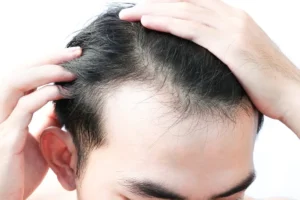
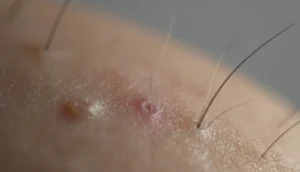
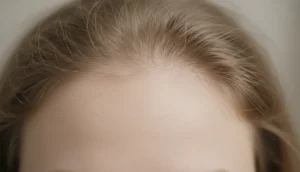
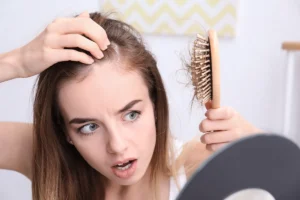
Facing 18 hair loss can feel unsettling, especially when you’re just starting your adult life. In this article we explore the most common reasons young adults lose hair, how to recognize the early warning signs, practical steps to slow or stop the process, and the range of treatment options available today. According to recent dermatology surveys, up to 15% of men and women notice noticeable thinning before turning 20, making early awareness crucial.
We’ll break down genetic, hormonal, and lifestyle factors that trigger hair shedding, discuss diagnostic methods you can access without delay, and outline proven prevention tactics. Whether you’re dealing with a receding hairline, patchy spots, or overall thinning, understanding the underlying cause empowers you to choose the right solution.
Finally, we’ll introduce how modern hair restoration clinics—such as Gold City Hair—combine advanced techniques like FUE and DHI with personalized care to restore confidence for those experiencing 18 hair loss.
Common Causes of Hair Loss in Young Adults
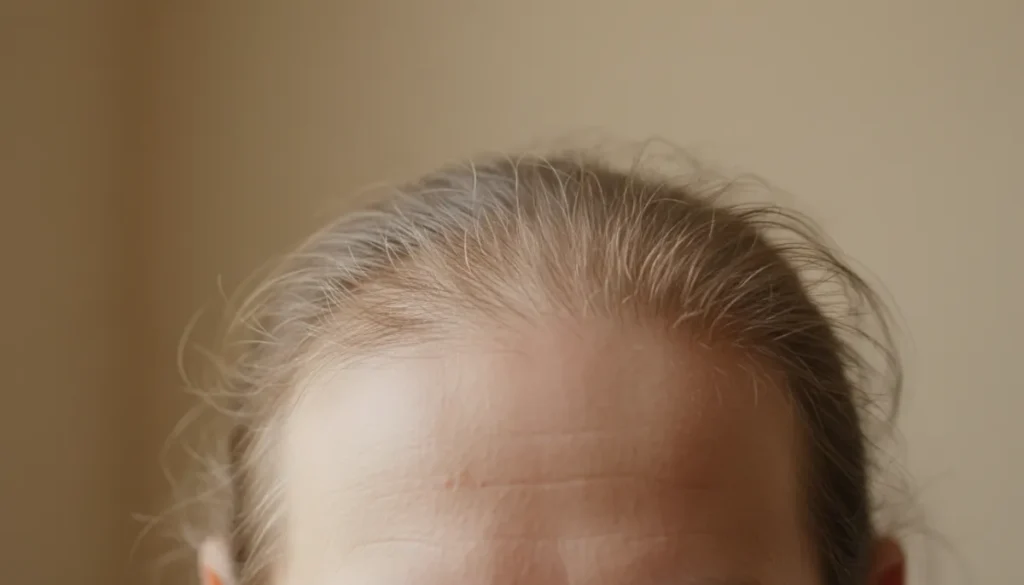
Hair loss at the age of 18 rarely appears out of nowhere. Most cases stem from a combination of genetic predisposition, hormonal shifts, and external stressors. Below is a concise overview of the leading contributors.
- Androgenetic alopecia – Often called male or female pattern baldness, this hereditary condition can begin in the late teens, driven by dihydrotestosterone (DHT) affecting follicle mini‑size.
- Alopecia areata – An autoimmune disorder that causes sudden, patchy hair loss and may affect any scalp area.
- Hormonal fluctuations – Changes in thyroid hormones, estrogen, or testosterone during puberty can disrupt the hair growth cycle.
- Stress and anxiety – Chronic psychological stress elevates cortisol, which can push hairs into the shedding (telogen) phase.
- Nutritional deficiencies – Insufficient iron, zinc, vitamin D, or protein intake weakens hair shafts.
- Traction alopecia – Tight hairstyles (braids, ponytails) that pull on the scalp cause mechanical damage.
- Medical conditions & medications – Certain illnesses and drugs (e.g., acne treatments, antidepressants) may accelerate shedding.
| Cause | Typical Onset | Key Indicator |
|---|---|---|
| Androgenetic alopecia | Late teens to early 20s | Gradual thinning at temples and crown |
| Alopecia areata | Any age | Round, smooth bald patches |
| Traction alopecia | Teen years | Hair loss along hairline where styles are tight |
Understanding which factor—or combination of factors—is driving your 18 hair loss is the first step toward an effective plan.
Early Signs and How to Diagnose 18 Hair Loss
Detecting hair loss early gives you a better chance to intervene before significant thinning occurs. The following signs often precede visible baldness:
- Increased shedding when washing or brushing (more than 100 hairs per day).
- Noticeable thinning along the hairline, temples, or crown.
- Small, round bald spots that do not regrow within a month.
- Scalp itching or redness, which may indicate inflammation.
When you suspect 18 hair loss, a professional evaluation is advisable. Dermatologists typically perform:
- Medical history review – to identify hereditary patterns, recent illnesses, or medication use.
- Physical scalp examination – using a dermatoscope to assess follicle health.
- Blood tests – checking iron levels, thyroid function, and hormone balance.
- Scalp biopsy (rare) – for ambiguous cases such as atypical alopecia areata.
These assessments help differentiate between androgenetic alopecia, alopecia areata, and other conditions, allowing you to choose the most appropriate treatment pathway.
Effective Prevention Strategies for Young Hair Loss
While genetics cannot be changed, many lifestyle factors that influence 18 hair loss are within your control. Implementing these habits early can slow or even prevent further thinning.
- Balanced nutrition – Prioritize protein, omega‑3 fatty acids, iron‑rich foods (spinach, lentils), and vitamins A, C, D, and E.
- Stress management – Practice mindfulness, regular exercise, or yoga to keep cortisol levels in check.
- Avoid harsh styling – Limit tight hairstyles, heat tools, and chemical treatments that cause traction or damage.
- Gentle cleansing – Use sulfate‑free shampoos and avoid excessive washing, which can strip natural oils.
- Scalp stimulation – Regular scalp massage improves blood flow and may encourage follicle activity.
- Medical prophylaxis – Over‑the‑counter minoxidil (2% for women, 5% for men) can be started under dermatologist guidance.
Adopting these measures creates a supportive environment for hair follicles, reducing the speed at which 18 hair loss progresses.
Treatment Options: From Medication to Hair Transplant
When prevention alone isn’t enough, a range of treatments can address 18 hair loss effectively. The choice depends on the underlying cause, severity, and personal preferences.
| Treatment | How It Works | Typical Candidates | Pros / Cons |
|---|---|---|---|
| Topical Minoxidil | Vasodilator that prolongs the growth phase | Early‑stage thinning, both genders | Easy to use; requires daily application; results in 3‑6 months |
| Finasteride (oral) | Blocks conversion of testosterone to DHT | Male pattern baldness, ages 18‑40 | Effective for many; potential hormonal side effects |
| Platelet‑Rich Plasma (PRP) | Injects concentrated platelets to stimulate follicles | Moderate thinning, both genders | Minimally invasive; multiple sessions needed |
| FUE (Follicular Unit Extraction) | Harvests individual grafts from donor area and implants them | Advanced thinning or bald spots | Natural results; surgical recovery; higher cost |
| DHI (Doğrudan Saç İmplantasyonu) | Uses a pen‑like device for precise graft placement | Patients seeking dense, fast‑growing grafts | Higher precision; slightly longer procedure time |
For many 18‑year‑olds, starting with minoxidil or a short trial of finasteride can halt progression. If hair loss has already created noticeable gaps, procedures like FUE or DHI—offered by specialists at Gold City Hair—provide permanent, natural‑looking restoration.
When to Consider Professional Help
Deciding to seek expert care is a personal milestone, but certain red flags suggest it’s time to schedule a consultation:
- Rapid shedding exceeding 150 hairs per day.
- Visible bald patches that do not improve after 2‑3 months of self‑care.
- Family history of early‑onset androgenetic alopecia.
- Associated scalp symptoms such as itching, pain, or inflammation.
Professional clinics can perform precise diagnostics, tailor a treatment plan, and, if appropriate, discuss surgical options. Early intervention often yields better graft survival and a more natural hairline, especially for those experiencing 18 hair loss.
Why Choose Gold City Hair for Your Hair Restoration
Gold City Hair combines over six years of experience with cutting‑edge FUE and DHI technologies, delivering personalized treatment plans that prioritize safety and natural results. Our team of certified surgeons and dermatologists ensures transparent communication at every step, from initial screening to post‑procedure care. By choosing Gold City Hair, you benefit from a clinic renowned for high graft survival rates, comfortable facilities in Turkey, and a commitment to restoring not just hair, but confidence.
Ready to take control of your 18 hair loss journey? Contact Gold City Hair today for a free, no‑obligation consultation and discover the best personalized solution for you.
Regain your confidence with proven, modern hair restoration—schedule your appointment now.
SSS
What are the common causes of hair loss in 18-year-olds?
The main causes include androgenetic alopecia, alopecia areata, hormonal changes, stress, nutritional deficiencies, traction alopecia, and certain medications.
How can I diagnose early signs of hair loss at age 18?
Look for increased shedding, thinning along the hairline or crown, small bald patches, and scalp irritation, then consult a dermatologist for a professional evaluation.
What prevention strategies can help stop hair loss in young adults?
Maintain a balanced diet, manage stress, avoid harsh styling, use gentle hair care products, stimulate the scalp, and consider medical prophylaxis like minoxidil under guidance.
Which treatment options are effective for 18 hair loss?
Effective options include topical minoxidil, oral finasteride, PRP injections, and surgical methods like FUE and DHI hair transplantation.
When should I seek professional help for hair loss at 18?
Seek a specialist if shedding exceeds 150 hairs per day, bald patches persist after 2‑3 months of self‑care, you have a family history of early baldness, or experience scalp symptoms.
What is the difference between FUE and DHI hair transplant techniques?
FUE extracts individual follicular units and implants them, while DHI uses a specialized pen to place grafts directly without creating recipient sites first, offering higher precision.