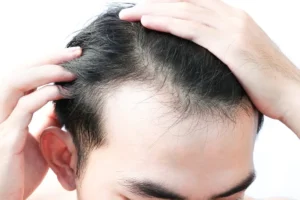
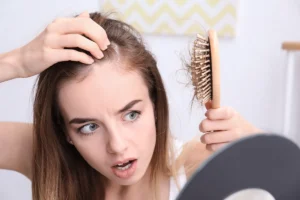
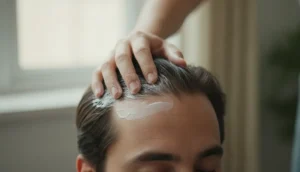
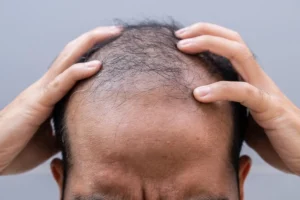
Experiencing hair loss 16 can be unsettling for any teenager, but early awareness makes a big difference. At 16, the scalp is still developing, and a variety of factors—from genetics to lifestyle—can trigger noticeable thinning. This article explains the most common reasons behind hair loss in mid‑teens, outlines how to recognize the first signs, and presents practical treatment options that can restore both hair and confidence.
According to recent dermatology surveys, nearly 12 % of adolescents notice some degree of hair thinning by the end of high school. While not all cases progress to full‑scale baldness, ignoring early symptoms may lead to more extensive loss later on. Understanding the root causes empowers teens and their families to take informed action.
We will explore the biology of hair growth, identify warning signs, discuss medical and natural interventions, and highlight modern restoration techniques such as follicular unit extraction (FUE) that are safe for young adults. By the end of this guide, you’ll have a clear roadmap to address hair loss 16 and maintain a healthy, full head of hair.
Common Triggers of Hair Loss at Age 16
Teenage hair loss often stems from a combination of genetic predisposition, hormonal shifts, and environmental stressors. Recognizing these triggers helps you target the right solution.
Genetic Factors and Androgenetic Alopecia
When a family history includes male pattern baldness or female thinning, the likelihood of early onset increases. Androgenetic alopecia, driven by the hormone dihydrotestosterone (DHT), can begin as early as puberty, leading to a receding hairline or thinning crown.
Hormonal Changes and Puberty
During adolescence, fluctuating hormone levels can temporarily accelerate hair shedding, known as telogen effluvium. While this type of hair fall usually resolves within a few months, persistent shedding warrants a closer look.
Nutritional Deficiencies
Deficiencies in iron, zinc, vitamin D, and B‑complex vitamins are linked to hair thinning. A diet high in processed foods and low in protein can exacerbate the problem, especially for active teens.
Stress and Lifestyle
Academic pressure, sports injuries, and poor sleep quality trigger cortisol spikes, which can push hair follicles into a resting phase. Chronic stress is a well‑documented cause of hair fall and can compound other underlying conditions.
Medical Conditions and Medications
Conditions such as alopecia areata, thyroid disorders, and severe acne treatments can cause sudden patches of hair loss. Even certain antibiotics or acne medications may have side effects that affect hair growth.
- Genetic predisposition (family history of baldness)
- Hormonal fluctuations during puberty
- Iron or vitamin D deficiency
- High stress levels and inadequate sleep
- Underlying medical conditions (e.g., alopecia areata)
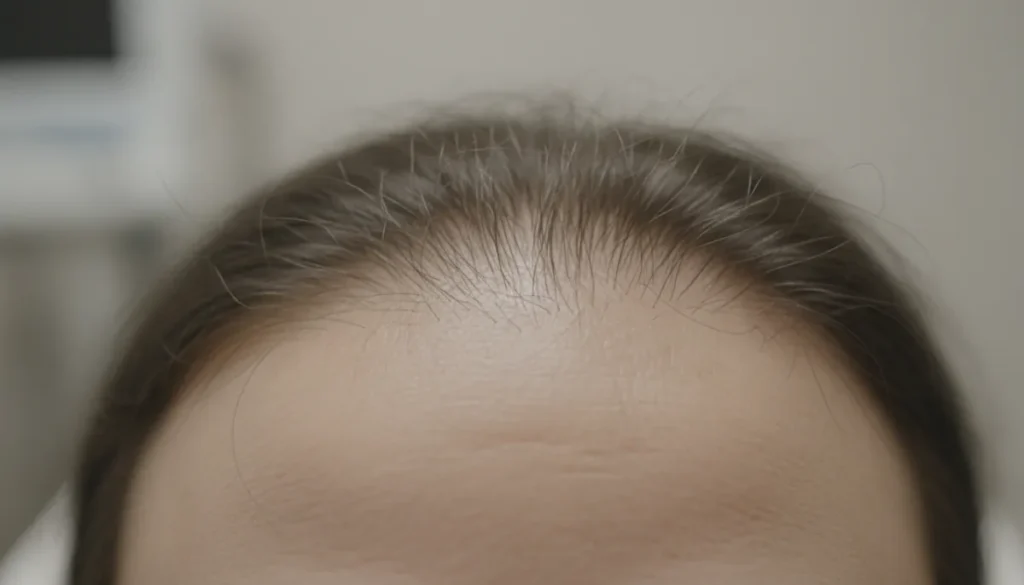
Recognizing Early Signs and When to Seek Help
Detecting hair loss early can prevent more extensive thinning. Teens should monitor their scalp regularly and note any changes.
Visual Indicators
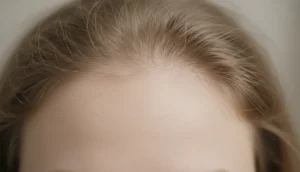
Key visual clues include a widening part, increased scalp visibility, and small bald spots, especially around the crown or hairline. A simple “hair pull test”—gently tugging a small section of hair—can reveal how many strands come out; losing more than 5 % may indicate active shedding.
Physical Symptoms
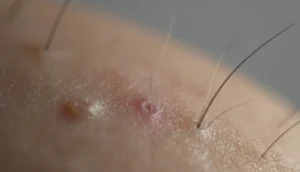
Besides visible thinning, some teens experience itching, redness, or a burning sensation, which can signal inflammatory conditions like alopecia areata or scalp psoriasis.
When to Consult a Professional
If any of the following occur, schedule an appointment with a dermatologist or a hair‑restoration specialist:
- Rapid increase in hair shedding over weeks.
- Patchy bald spots that do not grow back.
- Associated scalp irritation or pain.
- Family history of early‑onset baldness combined with personal concern.
| Sign | Typical Onset | Recommended Action |
|---|---|---|
| Gradual thinning at crown | 6‑12 months | Check iron levels, consider topical minoxidil |
| Sudden patchy loss | Weeks | Dermatology evaluation for alopecia areata |
| Diffuse shedding after stress | Months | Stress management, balanced diet, monitor recovery |
Medical Treatments and Lifestyle Changes for Teens
Addressing hair loss at 16 often begins with non‑invasive approaches that support natural growth while minimizing side effects.
Topical Minoxidil (Rogaine)
Minoxidil 2 % solution is FDA‑approved for teenagers over 12 and can stimulate follicles by increasing blood flow. Consistent twice‑daily application yields visible improvement within 3‑6 months for many users.
Oral Supplements
Biotin, iron, zinc, and vitamin D supplements are commonly recommended when lab tests reveal deficiencies. Always consult a healthcare professional before starting any supplement regimen.
Hormonal Therapy
In cases of hormonal imbalance, a doctor may prescribe anti‑androgen medications such as spironolactone (for females) or finasteride (for males over 18). These treatments reduce DHT levels, slowing the progression of androgenetic alopecia.
Lifestyle Adjustments
Adopting a balanced diet rich in lean proteins, leafy greens, and omega‑3 fatty acids supports hair health. Regular exercise, adequate sleep (8‑10 hours), and stress‑relief practices like meditation or yoga further improve overall well‑being.
- Apply 2 % minoxidil twice daily.
- Check blood work for iron, zinc, and vitamin D.
- Maintain a protein‑rich diet.
- Practice stress‑management techniques.
- Stay hydrated and get sufficient sleep.
Hair Restoration Options: From Medication to Transplant
When conservative measures are insufficient, modern hair restoration offers safe, effective solutions for young adults.
Platelet‑Rich Plasma (PRP) Therapy
PRP involves drawing a small amount of the patient’s blood, concentrating platelets, and injecting them into the scalp. Growth factors in PRP can stimulate dormant follicles and improve density, especially for early‑stage androgenetic alopecia.
Foliküler Ünite Ekstraksiyonu (FUE)
FUE is a minimally invasive transplant technique where individual follicular units are harvested from a donor area (usually the back of the head) and implanted into thinning zones. For teens with stable donor hair, FUE can provide permanent, natural‑looking results with minimal scarring.
Robotic‑Assisted Hair Transplant
Advanced robotic systems enhance precision, reducing human error and shortening procedure time. This technology is especially beneficial for patients seeking a high degree of accuracy in graft placement.
| Procedure | Ideal Candidates | Recovery Time | Typical Cost (USD) |
|---|---|---|---|
| PRP Therapy | Early‑stage thinning, good overall health | 2‑3 days | 1,500‑2,500 |
| FUE Transplant | Stable donor area, moderate‑to‑severe loss | 7‑10 days | 4,000‑8,000 |
| Robotic‑Assisted FUE | Patients desiring highest precision | 7‑10 days | 6,000‑10,000 |
While surgical options are effective, they are typically reserved for individuals whose hair loss pattern has stabilized, usually after age 18. However, early consultation with a specialist can map a personalized plan that may include a combination of PRP and medication before considering transplant.
Emotional Impact and Building Confidence
Hair loss at 16 can affect self‑esteem, social interactions, and academic performance. Addressing the psychological side is as important as the physical treatment.
Understanding the Emotional Toll
Teens may experience anxiety, embarrassment, or even depression when peers comment on their appearance. Studies show that adolescents with untreated hair loss report lower confidence scores compared to their peers.
Support Strategies
Open communication with family, counselors, or support groups provides a safe space to share concerns. Wearing hairstyles that add volume, using hair‑fibering powders, or opting for temporary wigs can boost confidence while longer‑term solutions take effect.
Setting Realistic Expectations
Progress varies; some treatments show results within months, while others, like transplant grafts, require up to a year for full growth. Setting achievable milestones helps maintain motivation.
- Talk openly with trusted adults about concerns.
- Consider professional counseling if anxiety persists.
- Use cosmetic aids (e.g., volumizing shampoos) during treatment.
- Celebrate small improvements to stay motivated.
Why Choose Gold City Hair
At Gold City Saç, we combine cutting‑edge technology with personalized care to address hair loss 16 and beyond. Since 2017, our clinic in Turkey has delivered successful FUE, DHI, and PRP treatments, guided by experienced surgeons who prioritize safety and natural results. We provide transparent communication, detailed treatment plans, and ongoing support to ensure each patient feels confident throughout their journey.
Ready to take the first step toward healthier hair? Contact Gold City Hair today to schedule a free virtual consultation and discover a tailored solution that fits your lifestyle.
SSS
What are the most common causes of hair loss in 16‑year‑olds?
Genetics, hormonal changes, nutritional deficiencies, stress, and certain medical conditions or medications are the main triggers.
How can I tell if my teen is experiencing early signs of hair loss?
Look for a widening part, increased scalp visibility, small bald spots, or more than 5% hair loss on a pull test.
Is minoxidil safe for teenagers and how should it be used?
Yes, a 2% minoxidil solution is FDA‑approved for ages 12+, applied twice daily.
What lifestyle changes can help improve hair growth for teens?
A balanced diet rich in protein, iron, zinc, and vitamin D, regular exercise, adequate sleep, and stress‑management techniques.
When is a hair transplant like FUE appropriate for a 16‑year‑old?
Usually after age 18 when the hair loss pattern has stabilized and a donor area is established.
How does stress affect hair loss in adolescents?
Stress raises cortisol, pushing hair follicles into a resting phase and causing telogen effluvium.