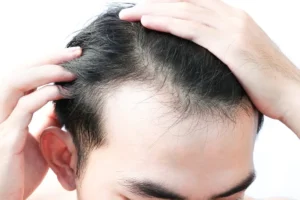
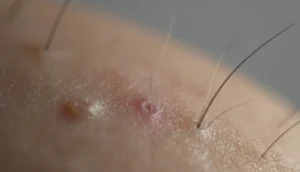
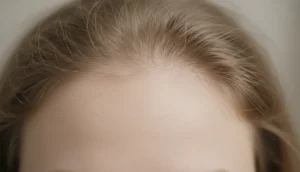
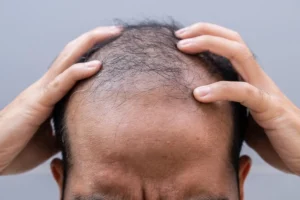
Hair loss at age 19 can feel sudden and unsettling, especially when it seems to clash with youthful energy. Whether the thinning appears as a receding hairline, a bald spot, or diffuse shedding, understanding why it happens is the first step toward effective solutions. Recent studies show that up to 15% of males and 5% of females experience noticeable hair loss before their twenties, highlighting the importance of early awareness.
This article explores the biological and lifestyle triggers behind hair loss at age 19, outlines the most common forms of alopecia seen in this age group, and presents both medical and surgical options that can restore density and confidence. By the end, you’ll have a clear roadmap for managing early‑onset thinning, from daily habits to cutting‑edge transplant techniques.
We’ll also discuss how a personalized approach—such as the one offered by Gold City Hair—can make a lasting difference, ensuring that each treatment aligns with your unique hair pattern, scalp condition, and aesthetic goals.
Understanding the Early Onset: What Triggers Hair Loss at Age 19
When a 19‑year‑old notices strands falling out, the most common culprit is androgenetic alopecia, often called male or female pattern baldness. This hereditary condition is driven by dihydrotestosterone (DHT), a hormone that miniaturizes hair follicles over time. However, several other factors can accelerate or mimic this pattern:
- Alopecia areata: an autoimmune attack that creates round, smooth bald patches.
- Telogen effluvium: a stress‑related shedding that typically occurs 2–3 months after a major physical or emotional event.
- Hormonal fluctuations: especially in young women, conditions like polycystic ovary syndrome (PCOS) can trigger thinning.
- Nutrient deficiencies: iron, zinc, and vitamin D shortfalls are linked to increased shedding.
Genetics set the stage, but lifestyle choices often dictate the speed at which hair follicles deteriorate. A family history of early balding dramatically raises the odds, yet even those without a genetic predisposition can experience noticeable thinning if they expose their scalp to harsh chemicals, excessive heat, or chronic stress.
Understanding these triggers empowers you to address the root cause rather than merely treating the symptom. For many, a combination of lifestyle adjustments and targeted medical therapy can halt progression before it becomes irreversible.
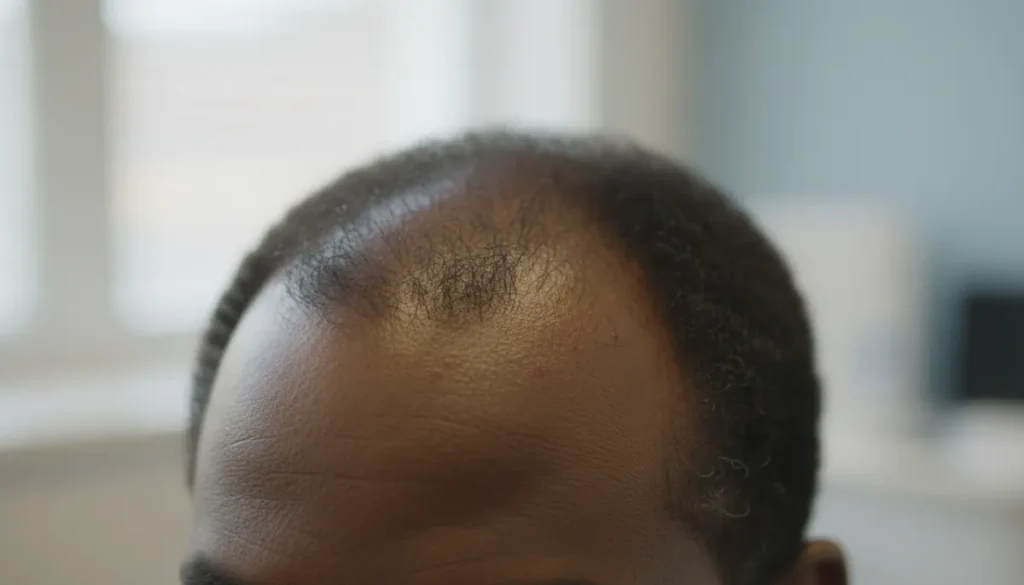
Common Types of Alopecia in Young Adults
Beyond the classic pattern baldness, several distinct forms of alopecia affect people in their late teens. Recognizing the specific type is crucial because each responds differently to treatment.
1. Alopecia Areata
This autoimmune condition causes sudden, round patches of hair loss. While the exact trigger remains unclear, it often appears after viral infections or severe stress. In many cases, the immune system can be reset with corticosteroid injections or topical immunotherapy, leading to regrowth within months.
2. Traction Alopecia
Frequent tight hairstyles—such as braids, ponytails, or buns—pull on hair follicles, causing localized thinning, especially along the hairline. Early intervention involves changing styling habits and, if necessary, using topical minoxidil to stimulate growth.
3. Telogen Effluvium
Triggered by rapid weight loss, illness, or intense physical training, this condition pushes a large number of hairs into the resting (telogen) phase simultaneously. The shedding usually resolves once the underlying stressor is removed, though supplementation with biotin and iron can speed recovery.
| Type of Alopecia | Typical Pattern | Most Effective Treatment |
|---|---|---|
| Alopesi Areata | Round patches | Corticosteroid injections, topical immunotherapy |
| Traction Alopecia | Hairline thinning | Style modification, minoxidil |
| Telogen Effluvium | Diffuse shedding | Stress reduction, nutritional support |
Identifying the exact form of alopecia early can prevent unnecessary procedures and focus therapeutic efforts where they matter most.
Lifestyle and Environmental Factors That Accelerate Thinning
Even when genetics play a dominant role, everyday habits can either mitigate or magnify hair loss at age 19. Below are the most influential factors and practical steps to counteract them.
- Beslenme: Diets low in protein, iron, and omega‑3 fatty acids deprive follicles of essential building blocks. Incorporate lean meats, leafy greens, nuts, and fatty fish to support keratin production.
- Smoking: Nicotine constricts blood vessels, reducing scalp circulation. Quitting smoking can improve oxygen delivery and nutrient transport to hair follicles.
- Sleep: Inadequate rest disrupts hormone regulation, including cortisol spikes that can trigger telogen shift. Aim for 7–9 hours of quality sleep per night.
- Hair Care Products: Harsh sulfates, alcohol‑based gels, and excessive heat styling strip natural oils and weaken the shaft. Opt for sulfate‑free shampoos and limit heat tools to once a week.
- Stress Management: Chronic stress elevates cortisol, which may accelerate DHT production. Practices such as mindfulness meditation, regular exercise, and hobbies can lower stress levels.
Creating a hair‑friendly routine doesn’t require a complete lifestyle overhaul; small, consistent changes often yield noticeable improvements within three to six months.
Medical Treatments and Advanced Transplant Techniques
When lifestyle modifications are insufficient, medical interventions provide a more direct route to regrowth. The most widely used options for 19‑year‑olds include:
- Topical Minoxidil: The only FDA‑approved over‑the‑counter solution for early‑stage androgenetic alopecia. Applied twice daily, it prolongs the growth phase and can thicken existing strands.
- Oral Finasteride: A prescription pill that inhibits DHT formation. Typically recommended for males; women of child‑bearing age should avoid it.
- Low‑Level Laser Therapy (LLLT): Devices such as laser combs stimulate cellular activity in the follicle, encouraging growth.
- Platelet‑Rich Plasma (PRP): Autologous injections deliver growth factors directly to the scalp, improving vascularization and follicle health.
For those with significant follicular loss, surgical restoration offers lasting results. Two leading techniques are:
- Foliküler Ünite Ekstraksiyonu (FUE): Individual follicles are harvested from the donor area and implanted into thinning zones, leaving minimal scarring.
- Direct Hair Implantation (DHI): An advanced variation of FUE where follicles are loaded into a pen‑like device and implanted at precise depths without prior incisions, improving graft survival.
Both FUE and DHI are performed under local anesthesia and typically allow a quick return to daily activities. Recovery involves gentle scalp care and avoidance of direct sun exposure for the first two weeks.
Practical Steps to Manage and Prevent Further Loss
Combining medical, cosmetic, and lifestyle strategies creates a comprehensive defense against progressive thinning. Follow this step‑by‑step plan to maximize results:
- Assess the Cause: Schedule a dermatologist or trichologist visit for a scalp analysis and blood work to pinpoint hormonal or nutritional deficiencies.
- Start Proven Topicals: Begin daily minoxidil use if you have early pattern baldness; pair with a gentle, sulfate‑free shampoo.
- Consider Oral Therapy: Discuss finasteride or other anti‑androgen medications with your physician if you’re male and have a family history of baldness.
- Boost Nutrition: Add iron‑rich foods, biotin supplements, and omega‑3 fatty acids to your diet.
- Protect the Scalp: Wear a hat on sunny days, avoid tight hairstyles, and limit heat styling.
- Explore Advanced Options: If significant loss persists, consult a reputable clinic—such as Gold City Hair—for a personalized FUE or DHI plan.
Consistency is key. Most patients notice visible improvement within three to six months of adhering to a structured regimen, while surgical outcomes become apparent after the 9‑month post‑procedure mark as transplanted follicles enter the growth cycle.
Why Choose Gold City Hair
Gold City Hair has been delivering personalized hair restoration solutions in Turkey since 2017. Our clinic combines the latest FUE ve DHI technologies with a transparent, patient‑first approach. Every treatment plan is tailored to your unique hair pattern, scalp health, and aesthetic goals, ensuring natural‑looking results and a comfortable experience from consultation to recovery.
Ready to take control of your hair future? Contact Gold City Hair today to schedule a free, no‑obligation consultation and discover the most effective solution for hair loss at age 19.
Regain confidence, restore your style, and step forward with a full head of healthy hair.
SSS
What causes hair loss in a 19‑year‑old?
Hair loss at 19 is most often due to androgenetic alopecia, but can also stem from alopecia areata, telogen effluvium, hormonal imbalances, nutrient deficiencies, stress, and harsh hair‑care practices.
How can I tell if I have androgenetic alopecia or another type of alopecia?
Patterned thinning along the front and crown suggests androgenetic alopecia, whereas round patches point to alopecia areata and diffuse shedding indicates telogen effluvium.
Are there effective non‑surgical treatments for early‑onset hair loss?
Yes, topical minoxidil, oral finasteride, low‑level laser therapy, PRP injections, and lifestyle changes can all help slow or reverse early hair loss.
What are the differences between FUE and DHI hair transplant techniques?
Both extract individual follicles, but DHI implants them directly with a pen‑like device, offering higher graft survival and no pre‑made incisions.
How long does it take to see results after a hair transplant?
Visible growth typically begins 3–4 months post‑procedure, with full results emerging around 9–12 months.
What lifestyle changes can help prevent further hair loss at age 19?
Adopt a balanced diet rich in iron and protein, quit smoking, manage stress, get adequate sleep, and use gentle, sulfate‑free hair products.