Hair loss cream is a topical solution that many people turn to when they notice thinning strands or a receding hairline. In the first 100 words, we’ll explore why this type of product has become a popular hair loss treatment alongside oral medications and procedural options like hair transplant procedures. According to recent dermatology surveys, more than 30% of adults experiencing hair thinning have tried a topical cream at least once.
This article covers the science behind these creams, the most common active ingredients, how they stack up against other hair growth products such as serums and supplements, and who may benefit most from using them. Whether you’re looking for a non‑invasive solution or simply want to complement a broader hair restoration plan, understanding the strengths and limits of hair loss creams is essential.
We’ll also discuss safety considerations, potential side effects, and practical tips for selecting a product that aligns with your goals. By the end, you’ll have a clear roadmap for deciding if a hair loss cream fits into your personal hair‑care regimen.
How Hair Loss Creams Work: The Science Behind Topical Treatments
Topical formulations are designed to deliver active compounds directly to the scalp, bypassing the digestive system and allowing for targeted action. The primary mechanism involves stimulating the hair follicles, prolonging the anagen (growth) phase, and reducing inflammation that can contribute to follicular miniaturization.
Key pathways include:
- Androgen receptor modulation: Ingredients like finasteride or dutasteride (when formulated for topical use) inhibit the conversion of testosterone to dihydrotestosterone (DHT), a hormone linked to male‑pattern baldness.
- Vasodilation: Compounds such as minoxidil widen blood vessels, improving nutrient delivery to hair follicles.
- Cellular signaling: Peptides and growth factors trigger signaling cascades that promote follicle health and regeneration.
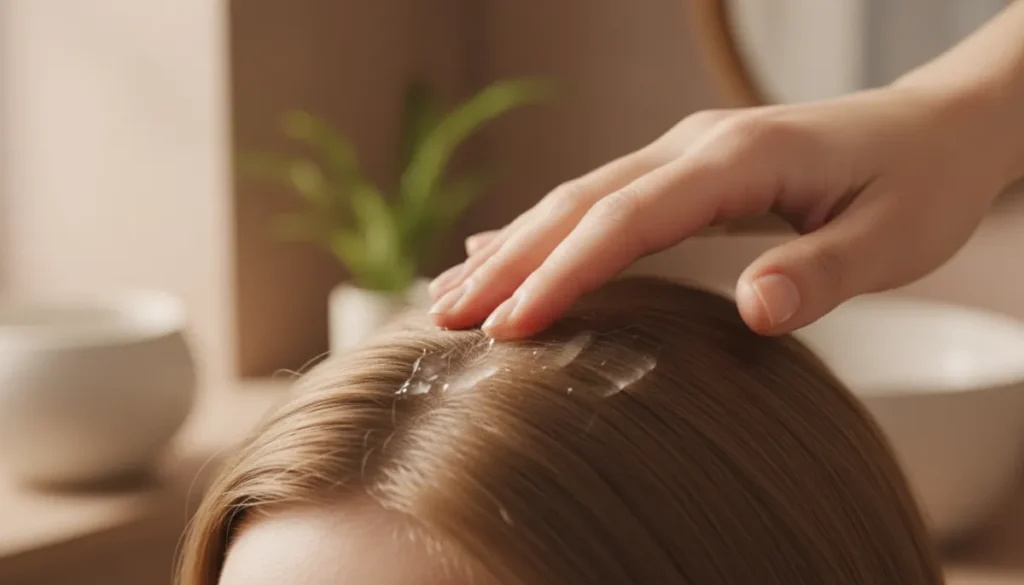
Because the product sits on the skin surface, absorption can vary based on formulation type—gel, lotion, or foam. Microneedling or scalp massage can enhance penetration, making the treatment more effective.
Common Ingredients in Hair Loss Creams and Their Effectiveness
Not all hair loss creams are created equal. The efficacy of a product largely depends on the active ingredients it contains. Below is a comparison of the most widely used components and the research supporting their use.
| Ingredient | Primary Action | Evidence Level |
|---|---|---|
| Minoxidil (2%–5%) | Vasodilation, prolongs anagen phase | High – FDA‑approved for both men and women |
| Topical Finasteride (0.25%–1%) | DHT inhibition | Medium – Emerging data shows comparable results to oral dosing with fewer systemic effects |
| Caffeine | Stimulates follicle proliferation | Low – In‑vitro studies suggest benefit, clinical data limited |
| Peptide Complexes (e.g., GHK‑Cu) | Promotes collagen synthesis, follicle health | Medium – Small clinical trials indicate improvement in density |
| Natural Extracts (Saw Palmetto, Pumpkin Seed Oil) | Anti‑androgenic, anti‑inflammatory | Low – Mixed results, often used as adjuncts |
When evaluating a cream, consider the concentration of the active ingredient and whether the formulation includes penetration enhancers like propylene glycol or liposomes. Combining a proven agent such as minoxidil with supportive ingredients (e.g., peptides) can create a synergistic effect, offering a more comprehensive hair loss treatment.
Comparing Hair Loss Creams with Other Hair Growth Products
While topical creams are a cornerstone of non‑surgical hair restoration, they exist alongside a range of other hair growth products. Understanding the strengths and weaknesses of each option helps you build a balanced regimen.
Hair Growth Serums
Serums often contain high concentrations of active molecules but are typically lighter than creams, allowing for rapid absorption. They excel at delivering antioxidants and growth factors but may lack the occlusive base needed for prolonged contact, which can limit the effectiveness of ingredients like minoxidil.
Oral Supplements
Supplements such as biotin, zinc, and specialized hair growth supplements aim to address nutritional deficiencies that contribute to thinning. While beneficial for overall health, they generally produce slower visible results compared to direct topical application.
Procedural Options
For individuals with advanced thinning, a hair transplant (FUE or DHI) offers permanent restoration. However, it involves surgical intervention, higher cost, and a recovery period. Many patients combine a transplant with ongoing topical therapy to maintain newly grafted follicles.
- Speed of results: Creams (3–6 months) vs. supplements (6–12 months) vs. surgery (immediate graft placement, visible growth after 3–4 months).
- Cost: Creams (moderate) vs. supplements (low) vs. transplant (high).
- Bakım: Creams require daily application; supplements are taken daily; transplants need long‑term care.
Choosing the right combination often depends on the stage of hair loss, budget, and personal preference. A balanced approach—using a proven cream alongside a nutrient‑rich supplement—can maximize results while minimizing risks.
Who Should Consider Using a Hair Loss Cream? Benefits and Limitations
Topical treatments are most effective for individuals in the early to moderate stages of thinning, where follicles are still viable but experiencing miniaturization. They are also a good choice for those who prefer non‑invasive solutions or who want to complement a surgical plan.
Ideal Candidates
- Men with androgenetic alopecia (pattern baldness) showing recession at the temples or crown.
- Women experiencing diffuse thinning or hormonal‑related shedding.
- Patients who have undergone a hair transplant and wish to support graft survival.
- Individuals seeking a cost‑effective, reversible option before committing to surgery.
Limitations to Keep in Mind
While many users see measurable improvements, hair loss creams do not work for everyone. Factors that can limit success include severe scarring alopecia, advanced baldness where follicles are no longer present, and inconsistent application.
Potential side effects are generally mild but can include scalp irritation, itching, or temporary redness. Users of minoxidil may experience a shedding phase as weaker hairs fall out before new growth begins.
For those with underlying medical conditions—such as thyroid disorders or autoimmune diseases—addressing the root cause may be necessary before topical therapy can achieve optimal results.
Choosing a Safe and Effective Hair Loss Cream: Tips for Consumers
With a crowded market, selecting a reliable product requires careful evaluation. Below are practical steps to ensure you choose a cream that delivers results without compromising safety.
- Check the active ingredient concentration: Look for products that list the exact percentage of minoxidil, finasteride, or other proven agents.
- Verify clinical backing: Preference should be given to creams supported by peer‑reviewed studies or FDA approval.
- Read the ingredient list for irritants: Avoid formulations with high levels of alcohol, fragrance, or harsh preservatives if you have a sensitive scalp.
- Consider delivery technology: Liposomal or nanocarrier systems can enhance penetration and efficacy.
- Consult a dermatologist or hair restoration specialist: Professional guidance can tailor the cream to your specific hair loss pattern and medical history.
Remember that consistency is key—most creams require twice‑daily application for at least three months before visible improvement is evident. Pairing the cream with a gentle scalp massage can further stimulate blood flow, enhancing the product’s performance.
Why Choose Gold City Hair for Your Hair Restoration Journey
At Gold City Saç, we combine cutting‑edge hair transplant techniques such as FUE and DHI with personalized after‑care plans that may include medically‑supervised topical treatments. Since 2017, our clinic in Turkey has helped thousands of patients regain confidence through transparent communication, individualized protocols, and a commitment to safety. Whether you are exploring a hair loss cream as a standalone solution or as part of a comprehensive restoration strategy, our experienced team provides expert guidance to ensure optimal outcomes.
Ready to take the next step toward fuller, healthier hair? Contact Gold City Hair today to schedule a free virtual consultation and discover the most effective treatment plan for your needs.
SSS
How do hair loss creams work to promote hair growth?
They deliver active compounds to the scalp that stimulate follicles, prolong the growth phase, and reduce inflammation.
What are the most effective ingredients in hair loss creams?
Minoxidil, topical finasteride, peptide complexes, and certain natural extracts are the most studied.
How do hair loss creams compare to serums, supplements, and hair transplants?
Creams offer moderate speed, moderate cost, and daily maintenance; serums absorb faster but may lack occlusion, supplements act systemically slower, and transplants provide permanent results at high cost.
Who is the ideal candidate for using a hair loss cream?
People in early‑to‑moderate stages of androgenetic alopecia or diffuse thinning who prefer non‑invasive, reversible options.
What side effects can occur with hair loss cream use?
Mild scalp irritation, itching, redness, and a temporary shedding phase are the most common side effects.
How should I choose a safe and effective hair loss cream?
Check active ingredient concentration, clinical backing, irritant‑free formulation, delivery technology, and consult a dermatologist.





