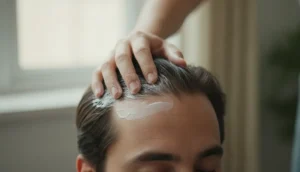
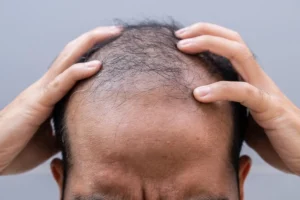
If you are searching for a reliable hair loss receding hairline treatment, you are not alone. Millions of men and women notice a gradual retreat of the frontal hairline, often accompanied by thinning crowns and visible bald spots. Understanding why this happens and which solutions truly work is essential for restoring both appearance and confidence.
In this article we explore the science behind receding hairlines, review non‑surgical and surgical interventions, and provide a step‑by‑step guide to choosing a reputable clinic. Whether you prefer topical products, prescription medication, or the latest follicular unit extraction (FUE) and direct hair implantation (DHI) techniques, the information here will help you make an informed decision.
Recent studies show that up to 40 % of men begin to see a noticeable recession before age 30, while women often experience diffuse thinning that can evolve into a receding pattern. Early intervention, combined with a personalized treatment plan, dramatically improves long‑term outcomes.
Read on to discover which approach aligns with your goals, budget, and lifestyle, and learn how Gold City Hair ensures a transparent, patient‑focused experience.
Understanding Receding Hairlines and Their Causes
A receding hairline is more than a cosmetic concern; it can signal underlying hormonal shifts, genetic predisposition, or lifestyle factors. Recognizing the root cause is the first step toward an effective hair loss receding hairline treatment.
Common Causes
- Genetic androgenic alopecia – the most frequent cause of frontal recession.
- Hormonal imbalances, especially elevated dihydrotestosterone (DHT).
- Stress‑induced telogen effluvium leading to temporary thinning.
- Nutrient deficiencies such as iron, zinc, and biotin.
- Harsh styling practices that cause traction alopecia.
Comparative Overview
| Cause | Typical Pattern | Potential Intervention |
|---|---|---|
| Androgenic alopecia | Gradual recession of temples | Finasteride, DHT‑blocking shampoos, transplant |
| Telogen effluvium | Diffuse thinning, often sudden | Stress management, nutritional support |
| Traction alopecia | Hairline recession from pulling | Gentle styling, scalp massage |
| Nutrient deficiency | Overall thinning, brittle strands | Dietary changes, supplements |
Understanding these factors helps you select a treatment that targets the specific mechanism behind your hair loss, rather than applying a one‑size‑fits‑all solution.
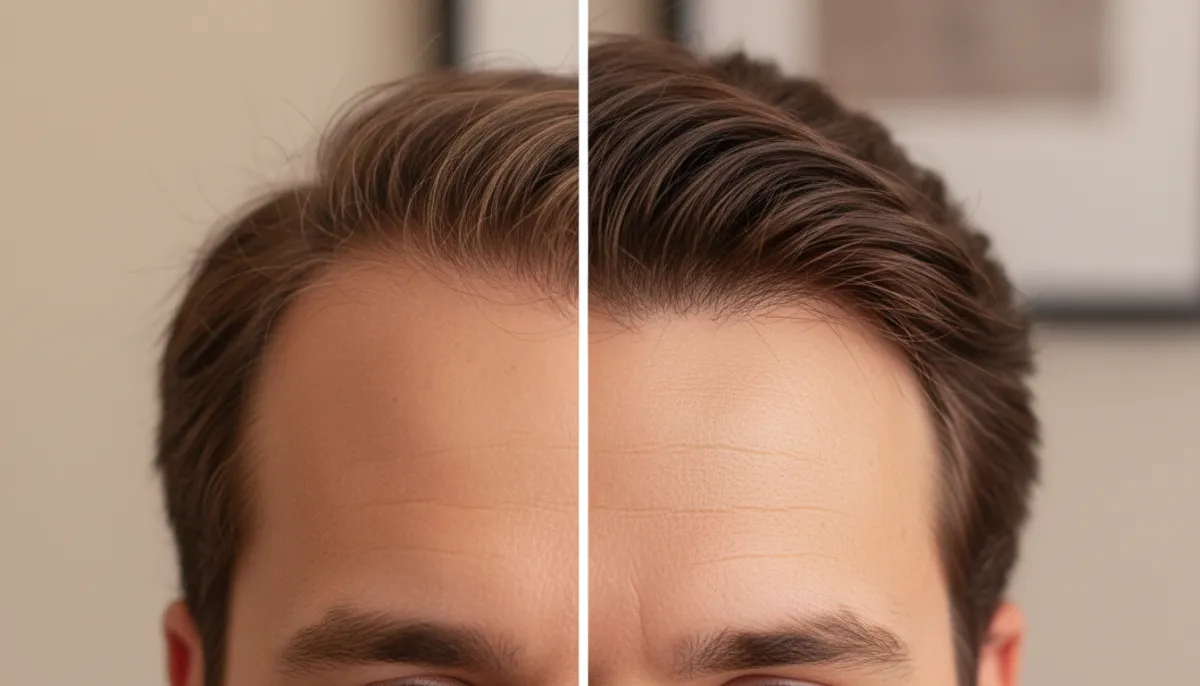
Non‑Surgical Options for Hairline Restoration
Before considering surgery, many patients explore topical and oral therapies that can halt or even reverse early recession. These options are often the first line of a comprehensive hair loss receding hairline treatment plan.
Topical Treatments
- Minoxidil – the most widely used over‑the‑counter solution; stimulates follicular activity.
- Finasteride‑based shampoos – contain low doses of DHT blockers for daily use.
- Natural extracts (e.g., saw palmetto, caffeine) – offer mild anti‑androgen effects.
Oral Medications
- Finasterid for hair loss – prescription pill that reduces DHT production.
- Low‑dose oral minoxidil – emerging off‑label use with promising results.
- Hair growth supplements – contain biotin, zinc, vitamin D, and other nutrients.
Pros and Cons Table
| Option | Effectiveness | Typical Duration | Side Effects |
|---|---|---|---|
| Minoxidil (topical) | Moderate | 3–6 months | Scalp irritation, unwanted facial hair |
| Finasteride (oral) | High | 6–12 months | Sexual dysfunction (rare) |
| Hair growth supplements | Low‑to‑moderate | 2–4 months | Generally well‑tolerated |
While non‑surgical methods can be effective for early‑stage recession, they require consistent use and may not fully restore a severely receded line. Combining these treatments with lifestyle adjustments—such as a balanced diet, stress reduction, and proper scalp care—maximizes results.
Surgical Solutions – FUE and DHI Hair Transplant
When non‑surgical approaches reach their limits, many turn to surgical hair loss receding hairline treatment methods. The two most advanced techniques are Follicular Unit Extraction (FUE) and Direct Hair Implantation (DHI), both offered by Gold City Hair.
Foliküler Ünite Ekstraksiyonu (FUE)
- Individual follicles are harvested from the donor area (usually the back of the scalp).
- Grafts are meticulously placed along the natural hairline to create a seamless look.
- Recovery time is typically 7–10 days with minimal scarring.
Direct Hair Implantation (DHI)
- Uses a patented implanter pen to place grafts directly without prior incisions.
- Allows for higher density and precise angle control.
- Ideal for patients seeking a more natural hairline contour.
Comparison of FUE vs. DHI
| Feature | FUE | DHI |
|---|---|---|
| Graft handling | Separate extraction and implantation | Single‑step implantation |
| Typical density | 30‑45 grafts/cm² | 35‑50 grafts/cm² |
| Procedure time | 6‑8 hours | 5‑7 hours |
| Scarring | Microscopic dot scars | Even less visible |
Both techniques aim to achieve a natural‑looking hairline that blends with existing hair. The choice depends on your donor hair quality, desired density, and personal preferences. A thorough consultation with a certified surgeon will determine the optimal plan.
Choosing the Right Clinic and What to Expect
Success of any hair loss receding hairline treatment hinges on the expertise of the clinic and the clarity of the treatment pathway. Selecting a reputable center ensures safety, realistic expectations, and optimal results.
Key Criteria for Clinic Selection
- Board‑certified surgeons with extensive FUE/DHI experience.
- Transparent pricing and detailed pre‑operative assessment.
- Positive patient testimonials and before‑after documentation.
- State‑of‑the‑art facilities complying with international health standards.
- Comprehensive after‑care program, including follow‑up visits.
Typical Patient Journey
| Stage | Description |
|---|---|
| Initial Consultation | Medical history review, scalp analysis, and personalized plan. |
| Pre‑Procedure Preparation | Hair and scalp cleansing, medication guidance. |
| Surgery Day | Local anesthesia, graft extraction, and implantation. |
| Recovery & After‑Care | Post‑operative instructions, medication, and follow‑up. |
| Long‑Term Maintenance | Regular check‑ins, optional topical support. |
Gold City Hair follows a transparent, patient‑centric protocol that includes a virtual pre‑consultation, detailed imaging of the projected hairline, and a step‑by‑step guide to post‑operative care. This approach minimizes uncertainty and maximizes confidence throughout the journey.
Maintaining Results and Long‑Term Care
Even after a successful surgical intervention, ongoing maintenance is vital to preserve the newly restored hairline. Lifestyle choices, nutrition, and supplemental support play a crucial role.
Essential After‑Care Practices
- Gentle washing with sulfate‑free shampoos for the first two weeks.
- Avoiding direct sunlight and wearing loose hats for a month.
- Regular scalp massage to improve circulation.
- Follow‑up visits every 3‑6 months during the first year.
Nutrition and Supplements
- Best vitamins for hair growth – biotin, vitamin D, and B‑complex.
- Hair growth supplements for women – iron, zinc, and omega‑3 fatty acids.
- Balanced diet rich in lean proteins, leafy greens, and antioxidants.
Monitoring and Early Intervention
Stay alert for any signs of new thinning or graft loss. Early re‑evaluation with your surgeon can address issues before they become noticeable, ensuring the longevity of your treatment.
Why Choose Gold City Hair
Gold City Hair has been delivering personalized hair restoration solutions in Turkey since 2017. Our clinic combines cutting‑edge FUE and DHI technologies with a transparent, patient‑first approach. Every treatment plan is tailored to your unique hair pattern, lifestyle, and aesthetic goals, ensuring natural‑looking results and lasting confidence.
Ready to take the next step toward a fuller hairline? Contact Gold City Hair today to schedule your free virtual consultation and discover a customized plan that fits your needs.
Experience the difference of expert care, modern facilities, and a commitment to your satisfaction.
SSS
What are the most common causes of a receding hairline?
Genetic androgenic alopecia, hormonal imbalances (especially DHT), stress‑induced telogen effluvium, nutrient deficiencies, and traction from harsh styling are the main causes.
Which non‑surgical treatments work best for early hairline recession?
Topical minoxidil, finasteride‑based shampoos, oral finasteride, low‑dose oral minoxidil, and hair‑growth supplements are the most effective non‑surgical options.
How do FUE and DHI hair transplant techniques differ?
FUE extracts individual follicles and implants them in a separate step, while DHI uses a pen to place grafts directly without prior incisions, offering higher density and angle control.
What should I look for when choosing a hair restoration clinic?
Look for board‑certified surgeons, transparent pricing, documented before‑after results, modern facilities, and a comprehensive after‑care program.
What post‑operative care is essential after a hair transplant?
Gentle washing, avoiding direct sun, scalp massage, and regular follow‑up visits are crucial for optimal healing and graft survival.
Can hair growth supplements enhance the results of a transplant?
Yes, supplements containing biotin, vitamin D, zinc, and omega‑3s can support graft health and overall hair growth when combined with proper medical treatment.