When you search for hair plugs before and after images, you expect clear evidence of transformation and trustworthy information about the procedure. This article walks you through the entire hair plug journey—from the science behind the technique to the realistic outcomes you can anticipate. Understanding what to expect helps you make an informed decision and sets realistic expectations for your own hair restoration plan.
Hair loss affects millions worldwide, and the desire for a natural‑looking solution has driven rapid advances in transplant technology. In Turkey, where turkish hair transplant clinics have set global standards, patients often see dramatic improvements within months. However, the path from a thinning scalp to a fuller look involves several stages, each with its own visual milestones.
We’ll explore the procedure itself, showcase typical before‑and‑after timelines, discuss factors that influence success, debunk common myths, and guide you on how to prepare for a safe and effective experience in Istanbul. By the end, you’ll have a clear picture of what “hair plugs before and after” truly means for you.
Understanding Hair Plugs: How the Procedure Works
Hair plugs, often referred to as a form of hairline transplant, involve extracting individual follicular units from a donor area—usually the back of the scalp—and implanting them into balding zones. Modern techniques such as FUE (Follicular Unit Extraction) and DHI (Direct Hair Implantation) have refined the process, minimizing scarring and maximizing graft survival.
What Are Hair Plugs?
Hair plugs are tiny grafts containing 1–4 hairs each. Unlike older “plugs” that left a dotted appearance, today’s grafts are meticulously placed to mimic natural hair growth patterns, creating a seamless transition from the existing hairline to the newly transplanted zone.
Step‑by‑Step Process
- Consultation and scalp analysis – determines the suitable graft count and design.
- Donor area preparation – local anesthesia is administered.
- Extraction – individual follicles are harvested using a micro‑punch tool.
- Graft preparation – follicles are sorted and kept in a specialized solution.
- Implantation – each graft is placed at the predetermined depth and angle.
- Post‑operative care – includes medication, gentle washing, and follow‑up visits.
Because each step is performed with precision, the final appearance often rivals the natural density of a healthy scalp. The use of hair graft technology ensures that the transplanted hairs grow in the same cycle as the native hair, reducing the risk of premature shedding.
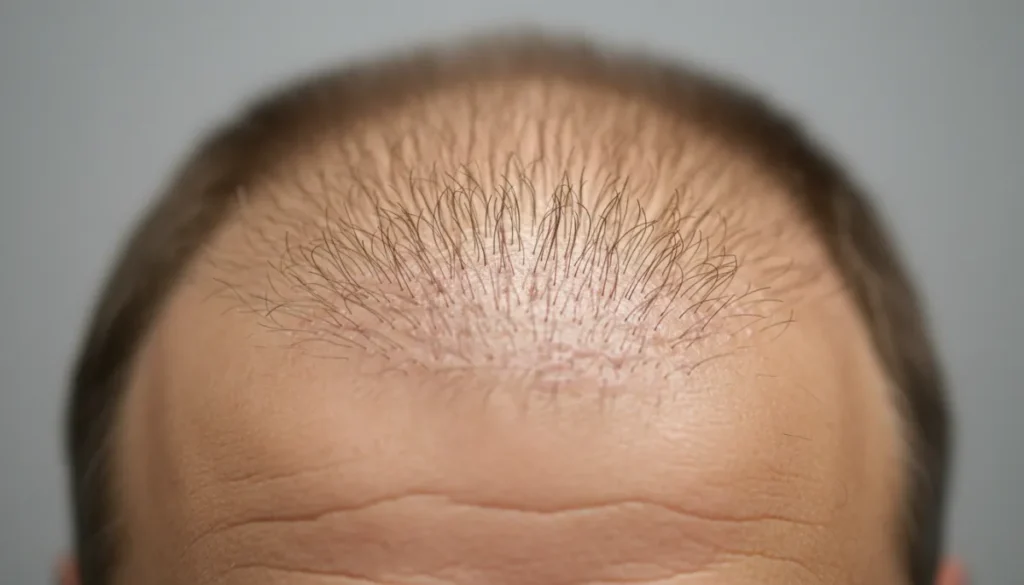
Typical Before and After Outcomes
Seeing hair plugs before and after photos helps set realistic expectations. Most patients notice visible improvements within three to four months, but full maturation can take up to 12–18 months. Early results often show a “dusting” effect as transplanted hairs shed before new growth emerges.
| Time After Surgery | What You See | Hair Density (% of Final Result) |
|---|---|---|
| 1–2 Weeks | Scalp may appear red; grafts are protected by bandages. | 0% |
| 2–4 Weeks | Initial shedding of transplanted hairs; scalp looks thinner. | 10–20% |
| 3–6 Months | New hair sprouts; noticeable increase in coverage. | 40–60% |
| 9–12 Months | Hair thickens; natural hairline appears. | 80–90% |
| 12–18 Months | Full result; density stabilizes. | 100% |
When reviewing hair transplant before and after galleries, look for consistent lighting, similar angles, and a clear timeline. Clinics that provide genuine hair transplant images before and after demonstrate confidence in their work and transparency with patients.
Factors Influencing Your Results
Not every hair plugs before and after picture looks identical. Several variables affect the final outcome, and understanding them helps you plan for the best possible result.
Age and Hormonal Factors
Younger patients often have more robust donor hair, while older individuals may experience slower growth cycles. Hormonal balance, particularly DHT levels, can also impact graft longevity.
Graft Count and Distribution
A higher number of grafts generally yields greater density, but strategic placement is crucial. Overcrowding can lead to poor growth, while under‑placement may leave visible gaps.
Technique Selection
Choosing between FUE, DHI, or traditional hairline transplant methods influences scar visibility and recovery time. DHI, for example, offers precise depth control, which can be advantageous for delicate frontal zones.
Post‑Operative Care
- Follow medication protocols (e.g., anti‑inflammatories, minoxidil).
- Avoid direct sun exposure for the first few weeks.
- Maintain a healthy diet rich in proteins and vitamins.
Patients who adhere to these guidelines often report more satisfactory hair transplant results. Whether you are a man seeking hair plugs for men or a woman exploring hair plugs for women, personalized planning ensures optimal outcomes.
Common Misconceptions About Hair Plugs
Despite the growing popularity of modern transplant methods, many myths persist. Addressing these misconceptions helps you approach the process with confidence.
Myth 1: Hair Plugs Are Only for Men
While historically marketed toward men, hair plugs for women have become increasingly common, especially for addressing diffuse thinning and frontal hair loss.
Myth 2: Results Are Immediate
Patience is key. Initial shedding can make it seem like the procedure failed, but this is a normal part of the cycle. Full density typically appears after a year.
Myth 3: The Technique Leaves Visible Scars
Modern FUE and DHI methods use micro‑punches (0.8‑1.0 mm), leaving virtually invisible puncture sites that heal quickly.
Myth 4: Only Celebrities Can Afford It
Turkey’s reputation for high‑quality, cost‑effective hair transplant services makes the procedure accessible to a wide range of patients, not just celebrities.
Understanding these facts dispels fear and encourages realistic expectations, leading to higher satisfaction with the hair plugs before and after journey.
Preparing for Your Hair Plug Journey in Turkey
Choosing to undergo a hair plugs before and after transformation in Turkey involves several logistical steps. Proper preparation ensures a smooth experience and maximizes your results.
Clinic Selection and Accreditation
Look for clinics with internationally recognized certifications, experienced surgeons, and a transparent portfolio of hair transplant before and after pictures. Gold City Hair, established in 2017, meets these criteria.
Travel and Accommodation
- Book flights to Istanbul with flexible dates to accommodate pre‑op appointments.
- Choose accommodation near the clinic to reduce travel stress.
- Plan for at least 3–5 days of stay to cover the procedure and immediate post‑op monitoring.
Medical Preparation
Undergo a thorough scalp screening, discuss any medications, and follow pre‑operative instructions such as avoiding alcohol and smoking. This preparation aligns with best practices for FUE hair transplant Turkey procedures.
Post‑Procedure Follow‑Up
Most clinics, including Gold City Hair, offer remote follow‑up via video calls. Keep a photo diary to track progress, which will help you compare your own hair plugs before and after images against expected timelines.
By addressing these steps, you set the stage for a successful transplant and a confident, natural‑looking result.
Why Choose Gold City Hair
Gold City Hair combines years of expertise with cutting‑edge FUE and DHI technologies to deliver consistent, natural results. Since 2017, the clinic has focused on personalized treatment plans, transparent communication, and a supportive environment that guides patients from consultation through long‑term follow‑up. Choosing Gold City Hair means trusting a team dedicated to restoring not just hair, but confidence.
Ready to see your own hair plugs before and after transformation? Contact Gold City Hair today to schedule a free, no‑obligation consultation and start your journey toward a fuller, more confident you.
SSS
What are hair plugs and how do they differ from older techniques?
Hair plugs are tiny grafts of 1‑4 hairs placed individually to mimic natural growth, unlike older plugs that left a dotted, unnatural look.
How long does it take to see full results after a hair plug procedure?
Full, mature results typically appear 12‑18 months after surgery.
What factors affect the success of hair plug transplants?
Age, hormonal balance, graft count, technique choice, and post‑operative care all influence outcomes.
Are hair plugs suitable for women as well as men?
Yes, modern hair plug techniques are effective for both men and women.
What is the typical recovery and post‑operative care after a hair plug in Turkey?
Recovery includes a few days of mild discomfort, bandage removal, and careful scalp care for several weeks.
How can I verify the authenticity of before‑and‑after photos from a clinic?
Look for consistent lighting, identical angles, and a clear timeline, and ask the clinic for raw images or video documentation.





