Hair regeneration is a rapidly evolving field that offers hope to millions experiencing thinning or baldness. Whether you are dealing with early‑stage hair loss or advanced balding, modern science provides a range of solutions designed to restore density and confidence. In this article we explore the biological basis of follicle renewal, compare non‑surgical and surgical approaches, and outline practical steps to maintain long‑term results. According to recent dermatology surveys, over 40 % of adults notice noticeable hair thinning by the age of 35, making early intervention crucial. By understanding the mechanisms behind hair regrowth, you can make informed decisions that align with your personal goals and lifestyle.
We will begin by demystifying the science of how new hair shafts emerge, then evaluate popular treatments such as red light therapy, platelet‑rich plasma (PRP) injections, and advanced transplant techniques like Follicular Unit Extraction (FUE) and Direct Hair Implantation (DHI). Finally, we’ll discuss how to choose the right plan and sustain the benefits through proper after‑care. Let’s embark on a journey toward healthier, fuller hair.
How Hair Regeneration Works: The Science Behind Follicle Renewal
The human scalp contains thousands of microscopic hair follicles, each cycling through growth (anagen), regression (catagen), and resting (telogen) phases. Hair regeneration aims to reactivate dormant follicles or replace lost ones, primarily by stimulating stem cells located in the bulge region of each follicle. When signaling pathways such as Wnt/β‑catenin and Sonic hedgehog are activated, these stem cells differentiate into matrix cells that produce new hair shafts.
Stem Cells and Growth Factors
Key growth factors—like insulin‑like growth factor 1 (IGF‑1), vascular endothelial growth factor (VEGF), and fibroblast growth factor (FGF) —play a pivotal role in prolonging the anagen phase and encouraging follicular proliferation. Clinical studies have shown that topical or injectable delivery of these factors can increase hair density by 20‑30 % after several months of consistent treatment.
- Activation of Wnt signaling promotes follicle neogenesis.
- VEGF enhances blood supply, delivering oxygen and nutrients.
- IGF‑1 extends the growth phase, resulting in longer, thicker strands.
Understanding these mechanisms helps clinicians tailor therapies that target the root cause of hair loss rather than merely masking symptoms. While natural regeneration is limited by age and genetics, combining cellular stimulation with supportive lifestyle choices can significantly improve outcomes.
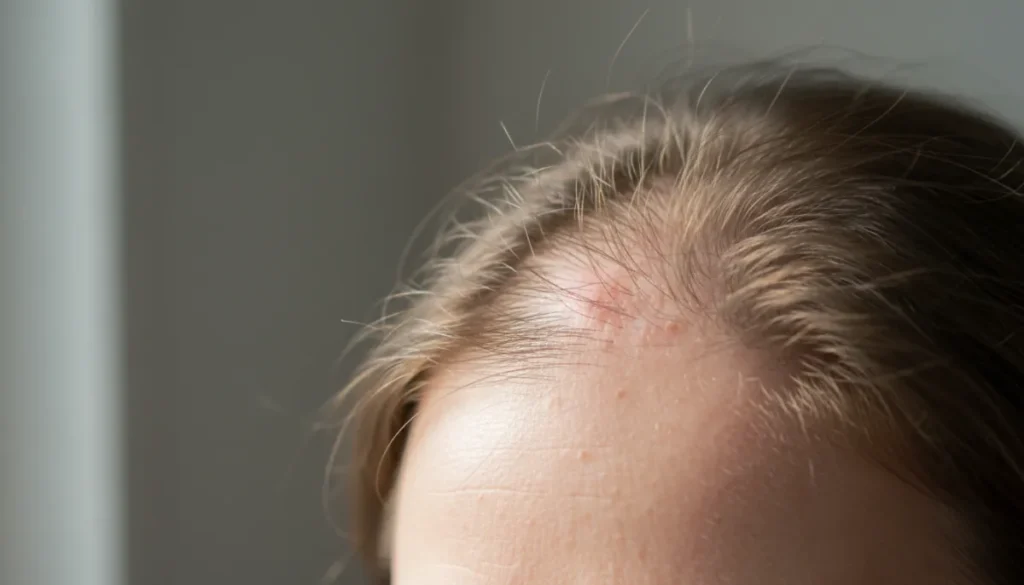
Non‑Surgical Options: Light Therapy, PRP, and Topical Treatments
For individuals seeking less invasive solutions, several non‑surgical modalities have gained popularity. Red light therapy uses low‑level wavelengths (typically 630–660 nm) to penetrate the scalp, enhancing mitochondrial activity and promoting cellular repair. Clinical trials report a 10‑15 % increase in hair density after 12 weeks of regular sessions, making it a viable adjunct to other treatments.
Platelet‑Rich Plasma (PRP) injections involve drawing a small amount of the patient’s blood, concentrating platelets, and re‑injecting the plasma into the scalp. The high concentration of growth factors stimulates dormant follicles, often yielding visible thickening within three to four months. PRP is frequently combined with topical hair growth products such as minoxidil to amplify results.
| Method | Mechanism | Typical Sessions | Expected Results |
|---|---|---|---|
| Red Light Therapy | Photobiomodulation stimulates cellular metabolism | 2‑3 times/week for 12‑24 weeks | 10‑15 % increase in density |
| PRP Injections | Growth‑factor release from platelet concentration | 3‑4 sessions spaced 4‑6 weeks apart | 20‑30 % improvement in thickness |
| Topical Minoxidil | Vasodilation and prolonged anagen phase | Daily application | Gradual thickening over 6‑12 months |
Other topical solutions—like finasteride for men, botanical extracts, and specialized vitamins—address hormonal and nutritional factors that contribute to thinning hair. While none of these methods can fully replace a transplant for extensive balding, they are valuable for early‑stage loss, maintenance after surgery, or for patients preferring a conservative approach.
Surgical Hair Transplant Techniques: FUE, DHI, and Beyond
When hair loss progresses beyond the capabilities of non‑surgical methods, surgical transplantation offers a permanent solution. The most widely performed technique is Foliküler Ünite Ekstraksiyonu (FUE), which harvests individual follicular units from a donor area—typically the back of the head—and implants them into thinning zones. FUE yields natural‑looking results with minimal scarring and rapid recovery.
Direct Hair Implantation (DHI) builds on FUE by using a specialized implanter pen that places grafts at precise depths and angles, reducing handling time and improving graft survival. Recent advances, such as robotic‑assisted FUE, enhance precision and reduce fatigue for the surgeon, leading to higher graft yields per session.
- FUE: Individual extraction, suitable for most scalp types.
- DHI: Immediate implantation, ideal for dense packing.
- Robotic FUE: Automated extraction with consistent depth control.
Success rates for modern transplant procedures exceed 90 % graft survival when performed by experienced clinicians. Patients typically notice visible coverage within 3‑4 months, with full maturation of the transplanted hair occurring around 12‑18 months post‑procedure.
Choosing the Right Regeneration Plan: Factors to Consider
Selecting the optimal hair regeneration strategy involves evaluating several personal and clinical variables. Age, pattern of loss, donor hair quality, and medical history all influence the suitability of a particular treatment.
Key Decision Factors
- Extent of Hair Loss: Early‑stage thinning may respond well to PRP or red light therapy, while extensive balding often requires a transplant.
- Donor Area Availability: Sufficient healthy donor follicles are essential for FUE or DHI; limited donor supply may steer patients toward non‑surgical options.
- Budget and Time Commitment: Non‑surgical therapies involve ongoing sessions and product purchases, whereas surgical solutions have higher upfront costs but longer lasting results.
- Medical Contra‑indications: Conditions such as uncontrolled diabetes, active scalp infections, or certain medications can affect eligibility for PRP or surgery.
Consulting with a qualified specialist ensures a comprehensive assessment, allowing you to combine modalities—such as PRP followed by a transplant—to maximize density and durability.
Maintaining Results: Lifestyle, Nutrition, and Follow‑Up Care
Regardless of the chosen method, long‑term success hinges on supportive lifestyle habits. Adequate intake of vitamins and minerals—particularly biotin, zinc, iron, and vitamin D—fuels keratin production and follicle health. Incorporating omega‑3 fatty acids from fish oil can reduce inflammation, a known contributor to hair shedding.
Stress management is equally important; chronic cortisol elevation can trigger telogen effluvium, leading to sudden thinning. Regular exercise, mindfulness practices, and sufficient sleep (7‑9 hours per night) help maintain hormonal balance.
- Nutrition: Balanced diet rich in protein, leafy greens, and nuts.
- Supplements: Clinically studied hair growth formulas containing biotin, saw palmetto, and marine collagen.
- Medical Follow‑Up: Periodic check‑ups with your clinic to monitor graft health and adjust adjunct therapies.
For transplanted patients, a post‑operative regimen may include gentle scalp massage, avoidance of direct sun exposure for the first few weeks, and the occasional low‑level laser session to boost vascularization. By integrating these practices, you protect the newly regenerated follicles and sustain a fuller appearance for years to come.
Why Choose Gold City Hair for Your Hair Regeneration Journey
Gold City Hair combines cutting‑edge technology with a personalized, transparent approach that has set the standard for hair restoration since 2017. Our clinic in Turkey offers a full spectrum of treatments—from advanced FUE ve DHI transplants to clinically proven PRP and red light therapy—tailored to each individual’s unique pattern of loss. With a team of board‑certified surgeons and dedicated after‑care specialists, we ensure every patient receives comprehensive guidance, realistic expectations, and measurable results. Trust Gold City Hair to deliver safe, effective, and lasting hair regeneration solutions that restore confidence.
Ready to start your transformation? Contact Gold City Hair today to schedule a personalized consultation and discover the most effective hair regeneration plan for you. Take the first step toward a fuller, healthier head of hair—your confidence awaits.
SSS
How does hair regeneration work?
Hair regeneration reactivates dormant follicles or creates new ones by stimulating stem cells and growth‑factor pathways in the scalp.
What are the benefits of red light therapy for hair loss?
Red light therapy uses low‑level wavelengths to boost cellular metabolism, leading to modest increases in hair density with minimal side effects.
Is PRP effective for hair regrowth?
Yes, PRP injections deliver concentrated growth factors that can thicken hair and reactivate dormant follicles, especially in early‑stage loss.
What is the difference between FUE and DHI hair transplant techniques?
FUE extracts individual follicles for later implantation, while DHI implants grafts immediately using a specialized pen, offering denser packing and less handling.
How long does it take to see results after a hair transplant?
Initial visible growth appears at 3‑4 months, with full maturation typically reached by 12‑18 months post‑procedure.
What lifestyle changes can support long‑term hair regeneration results?
A balanced diet rich in protein, vitamins, and minerals, regular exercise, stress management, and proper scalp care help maintain regenerated hair.





