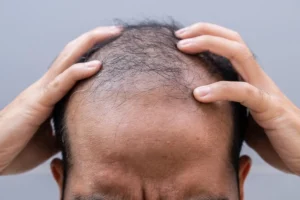
Understanding how long to regrow hair after chemo is a common concern for many cancer survivors. While the experience of hair loss can be emotionally challenging, most patients are eager to know when they can expect their hair to return and what steps can help the process. In this article we explore the typical timeline, the factors that can speed up or slow down regrowth, and practical strategies to nurture a healthy scalp during recovery. According to a recent oncology study, approximately 70% of patients notice visible hair growth within three to six months after completing treatment, though individual experiences vary widely.
We will break down the science behind chemotherapy‑induced hair loss, outline realistic expectations for regrowth, and provide evidence‑based tips to support your hair’s natural cycle. Whether you are currently undergoing treatment or have recently finished, this guide aims to give you clear, actionable information to help you regain confidence and plan for the future.
Read on to discover the phases of hair recovery, the role of nutrition and scalp care, and when it might be appropriate to explore advanced hair restoration solutions.
Understanding Chemotherapy‑Induced Hair Loss
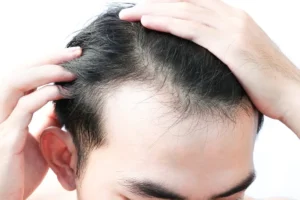
Chemotherapy targets rapidly dividing cells, which include not only cancer cells but also the matrix cells of hair follicles. This collateral effect leads to a condition known as chemotherapy-induced alopecia. The severity and pattern of hair loss depend on the type, dosage, and schedule of the drugs used.
Commonly affected areas include the scalp, eyebrows, eyelashes, and body hair. While some patients experience complete baldness, others notice thinning or patchy loss. The process typically begins 1–3 weeks after the first infusion and can continue throughout the treatment cycle.
- Drug class: Alkylating agents (e.g., cyclophosphamide) and taxanes (e.g., paclitaxel) are known for higher rates of hair loss.
- Dosage intensity: Higher cumulative doses increase the likelihood of extensive shedding.
- Individual sensitivity: Genetic factors and overall health can influence how the scalp reacts.
It is important to note that hair loss from radiation therapy follows a slightly different pattern, often localized to the treated field and sometimes permanent depending on the dose. Understanding these mechanisms helps set realistic expectations for regrowth.

Typical Timeline for Hair Regrowth After Chemo
The question of how long to regrow hair after chemo can be answered by looking at the typical phases of follicular recovery. Most patients follow a similar pattern, though exact timing varies.
| Phase | Timeframe | What to Expect |
|---|---|---|
| Initial Shedding | Weeks 1–4 of treatment | Hair thins and falls out, often in clumps. |
| Latency Period | Weeks 4–8 post‑treatment | Scalp appears bald; follicles are dormant. |
| Early Regrowth | Months 2–3 | Fine, soft “baby” hairs begin to emerge. |
| Visible Growth | Months 4–6 | Hair becomes thicker; length increases noticeably. |
| Full Recovery | Months 9–12+ | Hair texture and density approach pre‑treatment levels. |
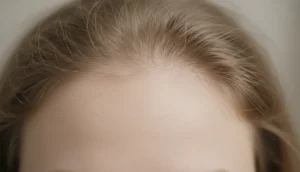
Most patients report seeing the first “baby” hairs around the 2‑month mark. These hairs are typically lighter in color and finer in texture, gradually thickening over the next few months. By six months, many individuals can style their hair normally, though full density may take up to a year.
It is also common for the new hair to have a different curl pattern or shade, especially if the patient had previously dyed or chemically treated hair. Patience and gentle scalp care during this period are essential for optimal results.
Factors That Influence How Fast Hair Grows Back
While the general timeline provides a useful framework, several variables can accelerate or delay the process of hair regrowth after chemo. Understanding these factors can help patients set realistic expectations and take proactive steps.
Type of Chemotherapy Drugs
Agents such as anthracyclines and platinum‑based compounds often cause more pronounced hair loss, leading to a slightly longer latency before regrowth begins. In contrast, newer targeted therapies may result in milder alopecia.
Age and Overall Health
Younger patients typically experience faster follicular recovery due to more robust cellular turnover. Pre‑existing conditions like thyroid disorders or anemia can also impact hair growth rates.
Nutritional Status
Protein, iron, zinc, and biotin are critical building blocks for keratin production. Deficiencies can slow the emergence of new hair shafts.
Scalp Care Practices
Gentle cleansing, avoiding harsh chemicals, and protecting the scalp from excessive sun exposure support a healthier environment for follicles to reactivate.
Psychological Stress
High stress levels can trigger telogen effluvium, a condition where hair prematurely enters the shedding phase, potentially prolonging the regrowth timeline.
- Maintain a balanced diet rich in lean proteins, leafy greens, and whole grains.
- Stay hydrated to promote optimal cellular function.
- Consider supplements only after consulting with your oncology team.
- Use mild, sulfate‑free shampoos and avoid heat styling tools during the early regrowth phase.
By addressing these elements, many patients notice a smoother and quicker return of hair density.
Tips to Support Hair Regrowth and Scalp Health
While the body does most of the work, there are evidence‑based practices that can create an optimal environment for hair to return after chemotherapy.
Gentle Cleansing Routine
Choose a mild, fragrance‑free shampoo and condition only the ends of the hair. Wash with lukewarm water to avoid stripping natural oils.
Scalp Stimulation
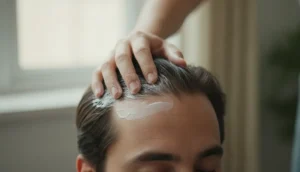
Light scalp massage for 5–10 minutes daily can increase blood flow, delivering nutrients to dormant follicles. Use fingertips, not nails, to prevent irritation.
Protective Styling
Loose braids, silk scarves, or soft caps can shield new hair from mechanical stress. Avoid tight ponytails or harsh hair accessories that could cause breakage.
Nutrition and Supplements
Incorporate foods high in omega‑3 fatty acids (salmon, flaxseed), vitamin C (citrus fruits), and antioxidants (berries). If recommended by your physician, a biotin or zinc supplement may be beneficial.
Avoid Harmful Treatments
Postpone chemical processes such as coloring, perming, or bleaching until the hair has regained sufficient strength, typically after six months of visible growth.
- Stay hydrated – aim for at least 2 L of water daily.
- Prioritize sleep – 7–9 hours supports cellular repair.
- Manage stress – meditation, gentle yoga, or counseling can reduce cortisol spikes.
These habits not only aid hair regrowth but also contribute to overall well‑being during the survivorship phase.
When to Consider Hair Restoration Options
If after 12 months the hair has not returned to a satisfactory density, or if the new hair is significantly altered in texture, many patients explore professional hair restoration. Modern techniques such as Follicular Unit Extraction (FUE) and Direct Hair Implantation (DHI) offer natural‑looking results with minimal downtime.
Gold City Hair, a leading clinic in Turkey, specializes in these procedures and provides personalized treatment plans that consider each patient’s medical history, scalp condition, and aesthetic goals. While hair transplantation is generally safe for cancer survivors, it is essential to obtain clearance from the oncology team, ensuring that the body has fully recovered from treatment and that there are no contraindications.
Consultation with a qualified hair restoration specialist can help determine if you are a suitable candidate, discuss donor area availability, and set realistic expectations for graft survival and final appearance.
- Ideal candidates have stable health and no ongoing chemotherapy.
- Pre‑procedure scalp assessment ensures adequate donor hair.
- Post‑procedure care includes gentle washing and avoidance of direct sunlight for several weeks.
Choosing a reputable clinic that emphasizes transparent communication and individualized care can make the difference between a satisfactory outcome and disappointment.
Why Choose Gold City Hair
Gold City Hair has been delivering personalized hair restoration solutions since 2017. Our team combines advanced FUE and DHI techniques with a compassionate approach, ensuring each patient receives clear information and a treatment plan tailored to their unique needs. We prioritize safety, especially for cancer survivors, and maintain transparent communication throughout the journey, from initial consultation to post‑procedure follow‑up.
Ready to regain confidence with a natural‑looking hairline? Contact Gold City Hair today to schedule your personalized consultation and explore the best options for your hair restoration journey.
SSS
How long does it take for hair to start growing back after chemotherapy?
Most patients notice the first fine “baby” hairs around 2 months after finishing treatment.
What factors affect the speed of hair regrowth after chemo?
Drug type, dosage, age, nutrition, scalp care, and stress levels all influence regrowth speed.
Can nutrition speed up hair regrowth after chemotherapy?
A balanced diet rich in protein, iron, zinc, and omega‑3s can support faster regrowth.
When is it safe to consider hair transplantation after chemotherapy?
Most surgeons recommend waiting at least 12 months post‑treatment and confirming remission before transplant.
What scalp care practices help support hair regrowth?
Use mild, sulfate‑free shampoos, massage the scalp daily, protect with soft fabrics, and avoid heat styling.