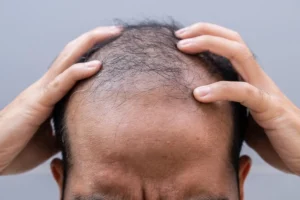
Hair restoration laser therapy offers a non‑invasive option for individuals seeking to combat thinning hair without surgery. This article explores the science behind laser‑based hair growth, the proven benefits of red light and infrared treatments, and what patients can expect during a typical session. With over 110 monthly searches for “hair restoration laser,” many are curious whether this technology truly works and how it fits into a comprehensive hair‑loss plan.
Hair loss affects up to 40 % of men and women worldwide, yet many are hesitant to pursue surgical transplants due to cost, downtime, or personal preference. Laser therapy provides a painless, clinic‑based alternative that can be combined with other restorative methods for enhanced results. In the following sections we’ll dive deep into the mechanisms, outcomes, and practical considerations, helping you decide if this approach aligns with your goals.
Whether you’re exploring red light therapy benefits, wondering about safety, or simply want to understand the process, this guide equips you with the knowledge needed to make an informed decision.
How Laser Hair Restoration Works

The core principle of laser hair restoration is photobiomodulation, a process where specific wavelengths of light stimulate cellular activity within hair follicles. Low‑level laser therapy (LLLT) or red light therapy delivers photons that are absorbed by mitochondria, enhancing ATP production and promoting the anagen (growth) phase of the hair cycle.
Key Biological Mechanisms
- Increased blood flow to the scalp, delivering oxygen and nutrients.
- Activation of stem cells in the bulge region of the follicle.
- Reduction of inflammation that can impede hair growth.
- Up‑regulation of growth factors such as VEGF and IGF‑1.
Types of Laser Devices
| Device | Wavelength (nm) | Typical Session Length | Common Use |
|---|---|---|---|
| Laser Cap | 630–670 | 15–30 min | Home or clinic use for diffuse thinning |
| Handheld Panel | 630–660 | 10–20 min | Targeted treatment of specific areas |
| Infrared Bed | 800–850 | 20–30 min | Deep tissue stimulation, often combined with red light |
Research indicates that consistent use—typically two to three sessions per week for 12–24 weeks—can yield measurable increases in hair density and thickness. While results vary, many patients report visible improvement after the first three months.
Benefits of Red Light and Infrared Therapy for Hair Growth
Red light therapy benefits extend beyond simple illumination; they create a biochemical environment conducive to hair regeneration. The wavelengths between 630 nm and 660 nm penetrate the epidermis, reaching the dermal papilla where hair growth is orchestrated.
Key advantages include:
- Non‑invasive and painless – No incisions or anesthesia required.
- Minimal side effects – Rarely causes irritation; safe for most skin types.
- Convenient treatment schedule – Sessions can be performed in a clinic or at home.
- Complementary to other therapies – Works well alongside medications like finasteride or surgical options such as FUE.
Studies on red light therapy for hair loss have demonstrated a 10‑30 % increase in hair count after regular use. Additionally, infrared light (800–850 nm) can penetrate deeper, supporting tissue repair and reducing scalp inflammation, which is particularly beneficial for individuals with seborrheic dermatitis or dandruff.
When selecting a device, look for FDA‑cleared products that specify “low‑level laser” or “LLLT.” Devices marketed as “laser laser hair” or “laser hair” without clear specifications may not deliver the therapeutic wavelengths needed for optimal results.
What to Expect During a Laser Hair Restoration Session
A typical laser hair restoration appointment at a professional clinic follows a structured protocol to ensure safety and efficacy.
Session Timeline
| Step | Duration | What Happens |
|---|---|---|
| Consultation & Scalp Analysis | 10 min | Clinician assesses hair loss pattern and selects appropriate device. |
| Preparation | 5 min | Scalp cleaned; protective eyewear provided. |
| Laser Application | 15‑30 min | Device delivers calibrated light energy to targeted zones. |
| Post‑Treatment Guidance | 5 min | Instructions on home care and recommended session frequency. |
Patients typically feel a mild warmth during the treatment, but no pain. Most clinics advise a short observation period after the session to ensure no adverse reactions. Common side effects are limited to temporary redness or mild tingling, which usually resolve within a few hours.
Safety is a top priority. Devices are calibrated to stay within therapeutic energy levels, preventing tissue damage. The laser hair restoration process is considered safe for both men and women, and there is no evidence linking it to cancer when used as directed.
Combining Laser Therapy with Traditional Hair Transplant Techniques
While laser therapy can produce noticeable improvements on its own, many patients achieve optimal results when it is integrated with surgical methods such as Follicular Unit Extraction (FUE) or Direct Hair Implantation (DHI). This combined approach leverages the strengths of each modality.
Synergistic Benefits
- Accelerated graft healing – Laser‑induced circulation promotes faster recovery of transplanted follicles.
- Enhanced graft survival – Photobiomodulation reduces oxidative stress around the implant sites.
- Improved overall density – Post‑operative laser sessions can stimulate dormant native follicles, filling gaps left by the transplant.
- Reduced downtime – Patients often experience less post‑surgical soreness when laser therapy is incorporated into the after‑care regimen.
Clinics like Gold City Hair design personalized protocols that begin with a surgical transplant, followed by a series of laser sessions starting two weeks after the procedure. This timeline maximizes graft integration while minimizing inflammation.
For individuals hesitant about surgery, a trial period of laser therapy can serve as a diagnostic tool. If significant growth is observed, it may reduce the number of grafts needed later, lowering overall cost and procedural time.
Why Choose Gold City Hair for Laser Hair Restoration
Gold City Hair combines cutting‑edge laser technology with a decade of expertise in hair restoration. Since 2017, our clinic has delivered personalized, transparent care, ensuring each patient receives a treatment plan tailored to their unique hair‑loss pattern. Our team of certified specialists oversees every laser session, monitors progress, and integrates additional therapies—such as FUE or DHI—when appropriate, to achieve natural‑looking, lasting results.
Ready to explore a non‑surgical path to fuller hair? Contact Gold City Hair today to schedule your personalized laser assessment and take the first step toward renewed confidence.
SSS
How does laser hair restoration work?
Laser hair restoration uses low‑level light (photobiomodulation) to stimulate cellular activity in hair follicles, promoting the growth phase.
What are the benefits of red light and infrared therapy for hair growth?
Red light improves scalp circulation and cell metabolism, while infrared penetrates deeper to aid tissue repair and reduce inflammation.
What should I expect during a laser hair restoration session?
A typical session includes a brief scalp analysis, preparation, 15‑30 minutes of laser application, and post‑treatment guidance.
How many sessions are needed to see results with laser therapy?
Most protocols recommend 2‑3 sessions per week for 12‑24 weeks before noticeable improvements appear.
Can laser therapy be combined with hair transplant procedures?
Yes, laser therapy can be used before or after transplants to improve graft survival and accelerate healing.
Is laser hair restoration safe for men and women?
Laser hair restoration is considered safe for both genders when performed with FDA‑cleared devices and proper protocols.