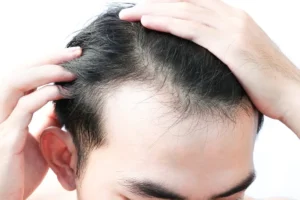
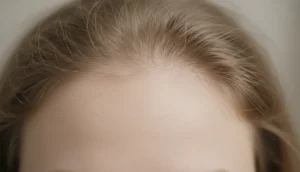
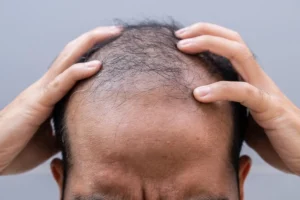
Hair thinning around temples is a common concern for both men and women, often signalling the early stages of pattern baldness. Understanding why this specific area loses density helps you choose the right prevention and treatment plan. In fact, studies show that up to 70% of men notice temple recession before any other region is affected.
This article explores the underlying mechanisms behind temple hair loss, highlights the warning signs that indicate a need for professional help, and reviews both non‑surgical and surgical solutions available at Gold City Hair. Whether you are dealing with subtle thinning or a more pronounced bald spot, the information here will empower you to make informed decisions and restore confidence.
We will also discuss lifestyle adjustments, nutritional support, and after‑care practices that maximize the longevity of any treatment you choose. By the end, you’ll have a clear roadmap—from diagnosis to long‑term maintenance—tailored specifically for temple hair thinning.
Understanding the Causes of Temple Hair Thinning
The temples are often the first region to exhibit hair loss due to a combination of genetic, hormonal, and environmental factors. Recognizing these causes is essential for selecting the most effective intervention.
Genetik Yatkınlık
Androgenetic alopecia, commonly known as male or female pattern baldness, is driven by inherited sensitivity to dihydrotestosterone (DHT). This hormone shortens the growth phase of hair follicles, especially around the temples.
Hormonal Influences
Fluctuations in estrogen, thyroid hormones, and cortisol can accelerate thinning. Women experiencing menopause often report increased temple recession, linking hormonal shifts to hair thinning patterns.
Mechanical Stress
Frequent pulling from tight hairstyles, hats, or helmets creates traction alopecia, which can manifest prominently at the temples.
Medical Conditions
Autoimmune disorders such as alopecia areata, scalp infections, and nutritional deficiencies (iron, vitamin D, zinc) may also target the temple area.
| Factor | Impact on Temples | Typical Onset |
|---|---|---|
| Genetic (Androgenetic Alopecia) | Progressive recession | Late teens to early 30s |
| Hormonal Changes | Sudden thinning | Menopause, thyroid issues |
| Traction Alopecia | Localized bald spots | Variable, linked to styling habits |
| Medical Conditions | Patchy loss | Dependent on underlying disease |
By pinpointing the root cause, you can tailor a treatment plan that addresses the specific driver of your temple hair loss.

Recognizing Early Signs and When to Seek Help
Early detection of temple recession can dramatically improve treatment outcomes. Look for these subtle cues before the thinning becomes noticeable to others.
- Visible widening of the part line near the temples.
- Increased scalp visibility when hair is pulled back.
- Fine, short hairs replacing thicker strands.
- Itching or mild soreness on the scalp.
If you notice any of these signs, consider a professional evaluation within three to six months. Dermatologists and hair restoration specialists can perform a scalp analysis, assess hormone levels, and recommend a personalized plan.
Delaying consultation often leads to a larger bald area, which may limit the effectiveness of non‑surgical options and increase the need for more extensive surgical procedures.
Non‑Surgical Approaches to Manage Temple Thinning
For many individuals, non‑invasive treatments can halt or even reverse hair thinning around the temples. These methods focus on stimulating existing follicles and improving scalp health.
Topical Solutions
Minoxidil (2% for women, 5% for men) is FDA‑approved and works by prolonging the anagen phase of hair growth. Consistent twice‑daily application can yield visible density gains within 4–6 months.
Oral Medications
Finasteride (1 mg) reduces DHT production, directly addressing the hormonal driver of androgenetic alopecia. Women of childbearing age should avoid this medication due to teratogenic risk.
Platelet‑Rich Plasma (PRP)
PRP injections deliver growth factors that rejuvenate dormant follicles. A typical protocol includes three sessions spaced one month apart, followed by maintenance every 6–12 months.
Low‑Level Laser Therapy (LLLT)
Laser combs or caps emit red light that enhances cellular metabolism in hair follicles. Clinical trials report a 30% increase in hair count after 24 weeks of regular use.
| Treatment | Mechanism | Typical Results Timeline | Pros | Cons |
|---|---|---|---|---|
| Minoxidil | Vasodilation & prolonged anagen | 4‑6 months | Widely available, OTC | Potential scalp irritation |
| Finasterid | DHT inhibition | 3‑6 months | Effective for male pattern | Sexual side effects (rare) |
| PRP | Growth factor delivery | 3‑4 months | Natural autologous product | Requires clinic visits |
| LLLT | Photobiomodulation | 6‑12 months | Non‑invasive, at‑home use | Variable efficacy |
While these options can be highly effective, they work best when the underlying cause is identified and addressed early. Combining treatments—such as minoxidil with PRP—often yields synergistic benefits.
Surgical Hair Restoration Options for the Temples
When non‑surgical methods are insufficient, surgical transplantation offers a permanent solution. Gold City Hair specializes in advanced techniques that deliver natural‑looking results even in the delicate temple zone.
Foliküler Ünite Ekstraksiyonu (FUE)
FUE involves harvesting individual follicular units from the donor area (usually the back of the scalp) and implanting them into the thinning temples. The method leaves minimal scarring and allows precise placement to mimic natural hair direction.
Direct Hair Implantation (DHI)
DHI uses a patented implanter pen that places grafts directly without creating pre‑made channels. This reduces handling time, improves graft survival, and provides superior angle control—crucial for the curved contour of the temples.
Robotic‑Assisted Transplantation
Robotic systems enhance accuracy in graft extraction and placement, ensuring consistent depth and angle, which is especially beneficial for the fine hair in the temple region.
| Technique | Key Benefits | Typical Graft Yield for Temples | Recovery Time |
|---|---|---|---|
| FUE | Minimal scarring, flexible design | 150‑400 grafts (depends on donor density) | 7‑10 days |
| DHI | Higher graft survival, precise angle | 120‑350 grafts | 5‑9 days |
| Robotic‑Assisted | Enhanced precision, reduced fatigue | Variable, up to 500 grafts | 7‑12 days |
All procedures are performed under local anesthesia, and patients typically resume normal activities within a week. Post‑operative care includes gentle scalp washing, avoiding direct sun exposure, and following a prescribed medication regimen to support graft survival.
Lifestyle and After‑Care Tips to Maintain Results
Long‑term success hinges on daily habits that nurture hair health and protect transplanted follicles.
- Nutrition: Incorporate protein‑rich foods, omega‑3 fatty acids, and micronutrients like biotin, iron, and zinc.
- Stress Management: Chronic stress elevates cortisol, which can exacerbate hair loss. Practices such as meditation, yoga, or regular exercise are beneficial.
- Gentle Hair Care: Use sulfate‑free shampoos, avoid excessive heat styling, and limit tight hairstyles that pull on the temples.
- Scalp Massage: Stimulates blood flow; a few minutes daily with a light oil (e.g., argan or rosemary) can improve follicle health.
- Regular Follow‑Ups: Schedule check‑ins with your hair restoration specialist to monitor progress and adjust treatments as needed.
Adopting these practices not only supports existing hair but also maximizes the durability of any surgical or non‑surgical intervention you receive.
Why Choose Gold City Hair for Temple Hair Restoration
Gold City Hair combines over six years of expertise with state‑of‑the‑art FUE, DHI, and PRP technologies, delivering personalized treatment plans that address the unique challenges of temple hair loss. Our clinic in Turkey adheres to strict international standards, ensuring safety, comfort, and natural‑looking results. With transparent communication and a focus on patient confidence, we guide you from initial assessment through post‑procedure care, making the journey to fuller temples smooth and effective.
Ready to restore your temple hair and regain confidence? Contact Gold City Hair today to schedule a free virtual consultation and discover the best treatment path for you.
Take the first step toward a fuller, natural look—your transformation begins now.
SSS
What causes hair thinning around the temples?
Temple thinning is usually driven by genetics, hormonal changes, mechanical stress, and certain medical conditions.
How can I tell if my temple hair loss is in the early stage?
Look for a widening part line, increased scalp visibility, finer hairs, or mild itching around the temples.
What non‑surgical treatments are effective for temple thinning?
Topical minoxidil, oral finasteride, PRP injections, and low‑level laser therapy are the main non‑surgical options.
What are the differences between FUE and DHI for temple hair restoration?
FUE extracts individual grafts and places them manually, while DHI uses an implanter pen for direct placement without pre‑made channels.
How long does recovery take after a temple hair transplant?
Most patients resume normal activities within 5‑10 days, depending on the technique used.
Can lifestyle changes improve temple hair loss?
Yes, proper nutrition, stress management, gentle hair care, and scalp massage can support hair health and treatment outcomes.
Is PRP therapy suitable for women with temple thinning?
PRP is safe for both men and women and can be effective for temple thinning regardless of gender.