Experiencing hair thinning at the age of 23 can feel unsettling, especially when you see peers with fuller heads of hair. This article unpacks the reasons behind early hair loss, how professionals assess the condition, and the range of solutions—from lifestyle tweaks to advanced transplant procedures. By the end, you’ll understand why this issue is more common than you think and what steps you can take to restore confidence.
Recent studies show that nearly 15% of men and 5% of women under 30 notice noticeable thinning, highlighting a growing need for clear guidance. Whether the culprit is genetics, hormonal shifts, or external stressors, recognizing the pattern early can dramatically improve outcomes.
We’ll walk through the science of early hair loss, practical prevention tips, and when surgical options become the most effective route. Let’s dive in.
Understanding Hair Thinning at Age 23
Hair thinning in the early twenties often signals the start of a progressive condition, but it can also be a temporary response to lifestyle factors. The scalp’s follicles operate on a growth cycle—anagen (growth), catagen (transition), and telogen (rest). Disruptions to this cycle cause strands to shed faster than they regrow, resulting in visible thinning.
Key points to consider:
- Genetic predisposition, especially a family history of androgenetic alopecia.
- Hormonal fluctuations, such as elevated dihydrotestosterone (DHT) levels.
- Nutrient deficiencies, including iron, zinc, and vitamin D.
- Stress and poor sleep, which can trigger telogen effluvium.
While many assume thinning is solely a male issue, women experience it too—often linked to conditions like polycystic ovary syndrome (PCOS) or thyroid imbalances. Recognizing the underlying pattern helps clinicians recommend targeted therapies.
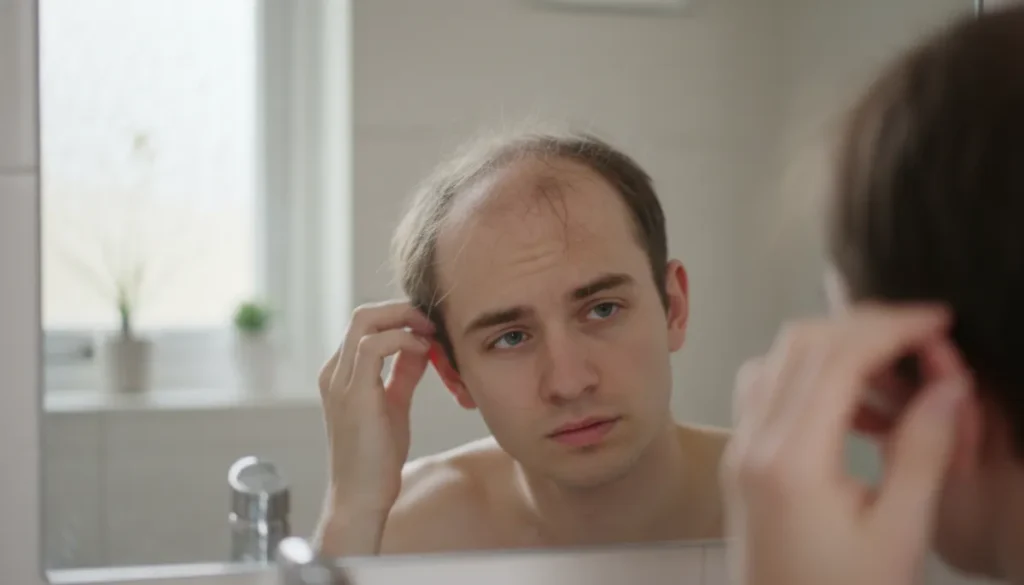
Common Causes of Early Hair Loss
Identifying the root cause of hair thinning is essential for effective treatment. Below is a concise overview of the most frequent contributors for individuals in their early twenties.
| Cause | Typical Signs | Potential Triggers |
|---|---|---|
| Genetic androgenetic alopecia | Gradual recession of the hairline, thinning crown | Family history, high DHT levels |
| Telogen effluvium | Diffuse shedding across scalp | Recent illness, major weight loss, high stress |
| Alopecia areata | Patchy, round bald spots | Autoimmune response, rapid onset |
| Traction alopecia | Hair loss along hairline or temples | Frequent tight hairstyles, hair extensions |
| Nutrient deficiency | Thin, brittle hair, slow growth | Poor diet, malabsorption disorders |
Other factors such as medication side effects, scalp infections, and hormonal disorders can also accelerate thinning. A thorough medical history and scalp examination are vital to differentiate these causes.
How to Diagnose and Assess Thinning Hair
Accurate diagnosis begins with a detailed consultation. Dermatologists and hair restoration specialists use a combination of visual inspection, medical questioning, and specialized tests to pinpoint the underlying issue.
Clinical Examination
The clinician examines the pattern of loss, checks for signs of inflammation, and assesses scalp health. Tools such as a dermatoscope provide magnified views of follicle density and miniaturization.
Laboratory Tests
Blood work can reveal hormonal imbalances (e.g., elevated DHT, thyroid dysfunction) and nutritional deficiencies. Common panels include:
- Complete blood count (CBC)
- Ferritin and iron studies
- Thyroid-stimulating hormone (TSH)
- Sex hormone profile (testosterone, estrogen)
Trichoscopic Imaging
High‑resolution imaging captures follicular details, allowing clinicians to differentiate between male pattern baldness, alopecia areata, and telogen effluvium. This data also serves as a baseline for monitoring treatment progress.
Early detection empowers patients to intervene before extensive follicle miniaturization occurs, increasing the success rate of both medical and surgical options.
Effective Non‑Surgical Strategies for Young Adults
Before considering surgery, many 23‑year‑olds benefit from proven non‑invasive approaches. These methods aim to halt further loss, stimulate regrowth, and improve overall hair health.
Topical Treatments
Minoxidil (2% for women, 5% for men) remains the gold standard for stimulating follicular activity. Consistent twice‑daily application can increase hair density within 4‑6 months.
Oral Medications
Finasteride, a prescription pill that reduces DHT production, is effective for male pattern baldness. Women of childbearing age should avoid this medication due to teratogenic risk.
Lifestyle Adjustments
- Balanced diet rich in protein, iron, omega‑3 fatty acids, and biotin.
- Stress‑management techniques: meditation, regular exercise, adequate sleep.
- Avoiding tight hairstyles that cause traction alopecia.
- Limiting heat styling and harsh chemical treatments.
Emerging Therapies
Platelet‑rich plasma (PRP) injections deliver growth factors directly to the scalp, promoting follicle rejuvenation. Low‑level laser therapy (LLLT) devices, such as combs and helmets, also show modest improvements in hair thickness.
Combining these strategies often yields the best results, especially when initiated early in the thinning process.
When to Consider a Hair Transplant: FUE and DHI Options
For many individuals, non‑surgical measures stabilize loss but cannot fully restore density once follicles are permanently miniaturized. At this point, a hair transplant becomes a viable solution.
Foliküler Ünite Ekstraksiyonu (FUE)
FUE involves harvesting individual follicular units from a donor area—typically the back of the head—and implanting them into thinning zones. The technique leaves minimal scarring and offers a rapid recovery period.
Direct Hair Implantation (DHI)
DHI uses a specialized pen to place grafts at precise depths and angles, improving graft survival rates. This method is especially useful for creating natural‑looking hairlines in young patients.
Choosing the Right Approach
Key considerations include:
- Extent of thinning: localized recession vs. diffuse loss.
- Donor hair availability: sufficient density in the donor zone.
- Desired aesthetic outcome: hairline design, density goals.
- Recovery timeline and personal schedule.
Consultation with a certified specialist ensures a personalized plan that aligns with your age, scalp condition, and aesthetic expectations.
Why Choose Gold City Hair
Gold City Hair has been delivering personalized hair restoration solutions in Turkey since 2017. Our clinic combines state‑of‑the‑art FUE and DHI techniques with a transparent, patient‑focused approach. Every treatment plan is tailored to the individual’s unique hair pattern, health profile, and aesthetic goals, ensuring natural‑looking results and lasting confidence.
Ready to take control of your hair future? Contact Gold City Hair today for a free, no‑obligation consultation and discover the most effective path to thicker, healthier hair.
Book your appointment now and start the journey toward renewed confidence.
SSS
What causes hair thinning in people who are 23 years old?
Hair thinning at 23 can be caused by genetics, hormonal changes, nutrient deficiencies, stress, and certain medical conditions.
How can I diagnose the reason for my early hair loss?
A dermatologist will combine a visual exam, medical history, blood tests, and trichoscopic imaging to pinpoint the cause.
What non‑surgical treatments are effective for hair thinning at age 23?
Topical minoxidil, oral finasteride (for men), PRP injections, low‑level laser therapy, and lifestyle changes are proven non‑surgical options.
When is a hair transplant recommended for a 23‑year‑old?
A transplant is advised when non‑surgical methods have stabilized loss but follicles are permanently miniaturized and donor hair is sufficient.
What is the difference between FUE and DHI hair transplant techniques?
FUE extracts individual grafts and places them manually, while DHI uses a pen‑like device to implant grafts directly at precise depths and angles.
Can lifestyle changes improve hair thinning in my early twenties?
Yes, improving nutrition, reducing stress, and avoiding damaging hair practices can significantly slow or reverse early thinning.





