When considering a hair transplant side effects overview, it’s natural to wonder how your scalp will react after the procedure. This article explains the range of reactions you might experience, why they occur, and how to manage them effectively. According to recent clinical observations, up to 20% of patients report mild swelling or redness in the first 48 hours, highlighting the importance of informed expectations. By breaking down immediate, medium‑term, and long‑term effects, you’ll gain confidence in making a well‑rounded decision about hair restoration.
Hair loss can affect self‑esteem, and modern techniques such as Follicular Unit Extraction (FUE) and Direct Hair Implantation (DHI) offer permanent solutions. Yet, every surgical intervention carries a spectrum of possible side effects. Understanding these helps you prepare, reduce anxiety, and collaborate closely with your medical team for optimal results.
In the sections that follow, we’ll explore common post‑procedure symptoms, rare complications, and practical steps you can take to minimize risks. Whether you are a first‑time candidate or revisiting a previous transplant, this guide equips you with the knowledge needed for a smooth recovery.
Common Immediate Side Effects After a Hair Transplant
Most patients notice some level of discomfort within the first 24‑48 hours. These immediate reactions are typically mild and resolve with proper care.
Swelling and Redness
Swelling, especially around the forehead and eyes, is a frequent response to the trauma of extracting and implanting grafts. Redness around the donor and recipient zones indicates increased blood flow as the body initiates healing. Applying cold compresses for the first 24 hours can help control both swelling and discomfort.
Pain and Discomfort
Local anesthesia eliminates pain during the operation, but once it wears off, patients may feel throbbing or soreness. Over‑the‑counter pain relievers such as ibuprofen are usually sufficient, though your surgeon may prescribe stronger medication if needed.
Other Immediate Reactions
- Minor bruising at the donor area (often the back of the scalp).
- Temporary numbness caused by nerve irritation.
- Light bleeding or oozing from tiny incisions.
These symptoms are considered normal and typically subside within a week. Monitoring them closely and following post‑operative instructions will ensure a swift return to daily activities.

Medium‑Term Effects: What to Expect in the Weeks Following Surgery
Between the first week and the third month, the scalp continues to heal, and new hair growth begins to emerge. Understanding this timeline helps you differentiate normal progress from potential issues.
Scabbing and Crusting
Small scabs form around each implanted follicle as the tiny incisions close. These crusts usually fall off on their own within 10‑14 days. Avoid picking at them to prevent graft displacement.
Temporary Hair Shedding (Shock Loss)
It’s common for existing hairs surrounding the grafts to shed—a phenomenon known as shock loss. This is a sign that the transplanted follicles are entering the growth phase and typically resolves within 2‑3 months, revealing new hair later on.
Timeline Comparison
| Time Frame | Typical Observation | Recommended Action |
|---|---|---|
| Days 1‑3 | Swelling, redness, mild pain | Cold compresses, prescribed pain meds |
| Days 4‑10 | Scabbing, minor bruising | Gentle washing, avoid picking |
| Weeks 2‑4 | Shock loss, crusts falling off | Patience, follow‑up visit |
| Months 2‑4 | Early new hair emergence | Maintain scalp hygiene, avoid harsh chemicals |
Most patients report noticeable improvement after the fourth month, when the transplanted hairs begin to thicken and blend naturally with existing strands.
Rare but Serious Complications to Watch For
While the majority of procedures proceed without major issues, a small percentage of patients may encounter complications that require prompt medical attention.
Infection
Infection can develop if bacteria enter the incision sites. Signs include increasing redness, warmth, pus, or fever. Early intervention with antibiotics is essential to prevent graft loss.
Folikülit
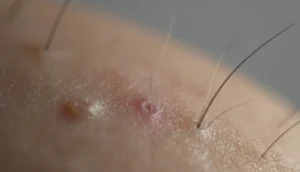
Folliculitis is an inflammation of hair follicles that may appear as red bumps or pustules. It often resolves with topical antiseptics, but persistent cases might need oral medication.
Numbness or Sensory Changes
Temporary numbness is common, but prolonged loss of sensation may indicate nerve damage. If tingling persists beyond three months, consult your surgeon for evaluation.
Other Rare Issues
- Severe scarring that affects hairline aesthetics.
- Allergic reaction to anesthesia or postoperative creams.
- Graft failure due to poor blood supply.
Understanding these rare risks empowers you to act quickly, reducing the likelihood of long‑term damage.
Long‑Term Considerations and Managing Expectations
Even after the initial healing phase, there are ongoing factors that influence the durability and appearance of your results.
Scar Appearance
FUE and DHI techniques are designed to minimize visible scarring, yet tiny puncture marks may remain. Over time, these fade and become virtually undetectable, especially with proper scalp care.
Graft Survival Rate
Survival rates for modern follicular unit extraction procedures typically range from 85% to 95%. Factors such as smoking, poor nutrition, or inadequate post‑operative care can lower this percentage.
Future Hair Loss Progression
Transplanted hair is genetically resistant to balding, but native hair may continue to thin. Many patients opt for a staged approach, planning additional sessions to maintain a balanced hairline as they age.
Maintenance Tips
- Adopt a balanced diet rich in vitamins A, D, E, and biotin.
- Avoid smoking and excessive alcohol consumption.
- Use gentle, sulfate‑free shampoos and avoid harsh styling tools.
- Schedule regular follow‑up appointments to monitor progress.
By embracing these practices, you can preserve the longevity of your transplant and enjoy lasting confidence.
How to Minimize Risks and Ensure a Smooth Recovery
Proactive preparation and diligent after‑care are the cornerstones of a complication‑free experience.
Pre‑Operative Preparation
- Stop smoking at least two weeks before surgery to improve circulation.
- Discontinue blood‑thinning supplements (e.g., fish oil, aspirin) under medical guidance.
- Maintain a well‑balanced diet and stay hydrated.
- Discuss any medical conditions or medications with your surgeon.
Post‑Operative Care Guidelines
- Keep the head elevated for the first 24‑48 hours to reduce swelling.
- Gently wash the scalp with a prescribed mild shampoo after 48 hours.
- Avoid direct sunlight, extreme heat, and vigorous exercise for at least two weeks.
- Follow prescribed medication schedules, including antibiotics if recommended.
- Attend all scheduled follow‑up visits to track healing progress.
Adhering to these steps not only mitigates common hair transplant side effects but also maximizes graft survival and overall satisfaction.
Why Choose Gold City Hair for Your Hair Restoration
Gold City Hair has been delivering precise, personalized hair restoration solutions in Turkey since 2017. Our clinic specializes in advanced FUE and DHI techniques, ensuring minimal scarring and natural‑looking results. With a commitment to transparent communication, we guide you through every stage—from pre‑operative assessment to post‑operative care—so you feel confident and informed throughout your journey.
Ready to take the next step toward a fuller, more confident you? Contact Gold City Hair today to schedule a personalized consultation and discover how our expert team can help you achieve lasting results.
SSS
What are the most common immediate side effects after a hair transplant?
The most common immediate side effects are swelling, redness, mild pain, bruising, temporary numbness, and light bleeding.
What is shock loss and how long does it last?
Shock loss is temporary shedding of existing hairs around transplanted grafts and usually resolves within 2‑3 months.
How can I recognize an infection after a hair transplant?
Signs of infection include increasing redness, warmth, pus, swelling, and fever.
What long‑term factors affect graft survival after a hair transplant?
Graft survival depends on technique, patient health, after‑care, and lifestyle choices like smoking and nutrition.
What pre‑operative steps should I take to reduce side effects?
Stop smoking, avoid blood‑thinning supplements, stay hydrated, and discuss medical history with your surgeon.
Why choose Gold City Hair for a hair transplant?
Gold City Hair offers advanced FUE and DHI techniques, low scarring, and comprehensive pre‑ and post‑operative support.