When a hard hair follicle forms on the scalp, it can feel like a firm bump beneath the skin, often causing discomfort and concern. This article explains what a hard hair follicle is, why it appears, and how you can manage it effectively. According to dermatological studies, up to 15% of people experience some form of hardened follicular tissue during their lifetime, making it a common yet often misunderstood condition.
We will explore the biological mechanisms behind follicle hardening, differentiate it from similar skin issues such as folliculitis or ingrown hairs, and provide practical prevention tips. Whether you are dealing with a single stubborn bump or recurring episodes, understanding the root causes will empower you to choose the right treatment and maintain a healthy scalp.
By the end of this guide, you will know how to identify a hard hair follicle, recognize warning signs of infection, and select appropriate home‑care or professional options to keep your hair and skin in optimal condition.
What Is a Hard Hair Follicle?
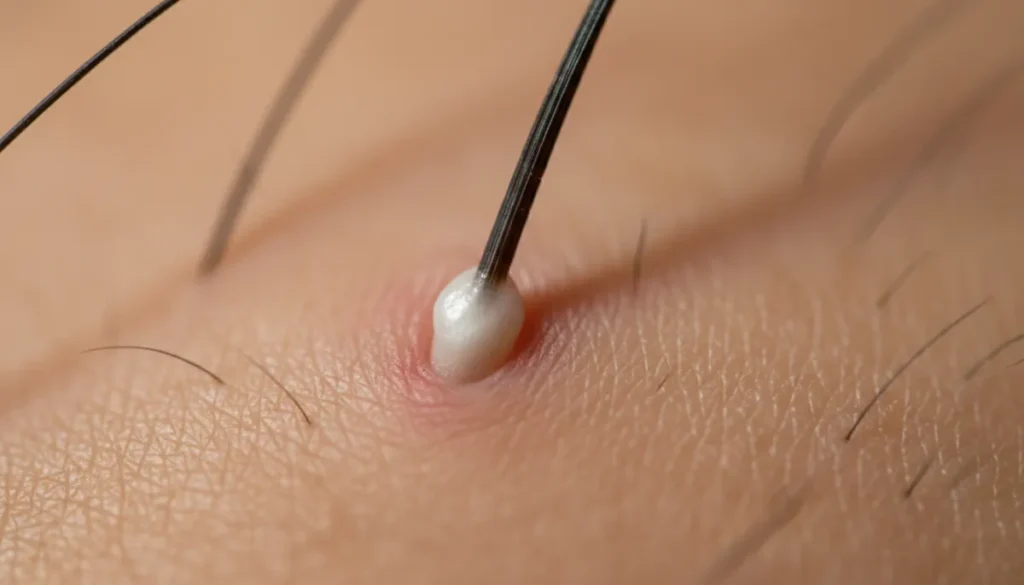
A hard hair follicle is a localized area where the hair shaft becomes trapped within the follicular canal, causing the surrounding tissue to firm up. This hardening often results from inflammation, keratin buildup, or minor scarring that prevents the follicle from expanding normally.
Key characteristics include:
- A palpable, firm bump that may be tender to touch.
- Redness or slight swelling around the area.
- Occasional itching or a feeling of tightness on the scalp.
Unlike a typical ingrown hair, which usually presents as a soft, inflamed papule, a hard hair follicle feels solid, similar to a small cyst. The condition can arise on any hair‑bearing area, but it is most frequently observed on the scalp, beard, and eyebrows where hair density is high.
Common Causes and Risk Factors
Understanding why hard hair follicles develop helps you target prevention. Several factors contribute to the formation of a hardened follicle, including:
| Cause | How It Leads to Hardening |
|---|---|
| Excessive keratin production | Builds up within the follicle, creating a dense plug that can calcify. |
| Repeated friction | Mechanical irritation from hats, helmets, or frequent touching can inflame the follicle. |
| Infection | Bacterial colonization (e.g., folliculitis) can cause swelling and hardening. |
| Hormonal changes | Fluctuations in androgen levels may increase sebum, fostering a hostile environment. |
| Improper hair removal | Techniques like aggressive waxing or shaving can push hair beneath the skin surface. |
Additional risk factors include:
- Genetic predisposition to thickened skin.
- Use of heavy hair‑care products that clog pores.
- Underlying skin conditions such as acne or pseudofolliculitis barbae.
Even lifestyle elements like a diet low in essential fatty acids can affect skin elasticity, making follicles more prone to hardening.
Differentiating Hard Follicles from Similar Skin Conditions
Because a hard hair follicle can resemble other dermatological issues, accurate identification is essential for proper treatment. Below are the main conditions to compare:
| Condition | Appearance | Typical Symptoms | Key Difference |
|---|---|---|---|
| Hard Hair Follicle | Firm, localized bump | Tenderness, occasional itching | Consistent hardness, no pus |
| Folikülit | Red papules with possible pus | Burning, warmth | Inflammatory, often infected |
| Ingrown Hair | Soft, raised papule | Itching, mild pain | Hair visible under skin surface |
| Boil (Furuncle) | Large, pus‑filled nodule | Severe pain, fever | Contains pus, may rupture |
| Carbuncle | Cluster of boils | Intense pain, systemic symptoms | Multiple interconnected lesions |
If you notice any of the following signs—rapid swelling, spreading redness, or discharge—seek medical attention promptly, as these may indicate an infection requiring antibiotics.
While a hard hair follicle is generally benign, it can become a nidus for bacterial growth if left untreated, leading to secondary conditions such as folliculitis or a full‑blown boil.
Prevention and Home Care Strategies
Adopting a consistent scalp‑care routine can significantly reduce the likelihood of hard hair follicle formation. Below are evidence‑based steps you can incorporate into daily life:
- Gentle cleansing: Use a sulfate‑free shampoo to keep follicles clear without stripping natural oils.
- Exfoliation: Apply a mild scalp scrub once a week to remove dead skin cells that could harden.
- Moisturizing: Employ a light, non‑comedogenic scalp serum containing niacinamide or hyaluronic acid.
- Avoid tight headwear: Opt for breathable fabrics and limit prolonged pressure on the scalp.
- Proper shaving technique: If you shave your head or beard, use a sharp blade and shave in the direction of hair growth.
Additional lifestyle adjustments include:
- Maintaining a balanced diet rich in omega‑3 fatty acids to support skin elasticity.
- Staying hydrated to promote healthy skin turnover.
- Reducing stress, which can exacerbate inflammatory skin responses.
When a hard hair follicle does appear, a warm compress applied for 10‑15 minutes, three times daily, can soften the surrounding tissue and alleviate discomfort. Over‑the‑counter topical antiseptics may also help prevent secondary infection.
Medical Treatments and When to Seek Professional Help
While many hard hair follicles resolve with diligent home care, some cases require professional intervention. Indications for seeing a dermatologist or a hair‑restoration specialist include:
- Persistent pain lasting more than two weeks.
- Rapid increase in size or hardness.
- Signs of infection: pus, fever, or spreading redness.
- Repeated occurrences in the same area.
Clinical options may involve:
- Prescription topical antibiotics: To address bacterial involvement such as folliculitis.
- Corticosteroid injections: Reduce inflammation and soften the hardened tissue.
- Minor surgical excision: Removal of a particularly stubborn follicular nodule.
- Laser therapy: Targeted laser can help remodel scar tissue and improve follicle elasticity.
In the context of hair restoration, a hardened follicle can sometimes interfere with procedures like FUE or DHI. Skilled clinicians assess follicle health before extraction to ensure optimal graft viability. If you are planning a hair transplant, informing your surgeon about any existing hard follicles will allow for tailored planning and better outcomes.
At Gold City Hair, our experienced team evaluates scalp condition thoroughly, employing advanced imaging and microscopic analysis to distinguish between benign hard follicles and potentially problematic lesions.
Why Choose Gold City Hair
Gold City Hair has been delivering personalized hair restoration solutions in Turkey since 2017. Our clinic combines state‑of‑the‑art FUE and DHI techniques with a compassionate approach, ensuring every client receives transparent communication and tailored care. Whether you are addressing a hard hair follicle before a transplant or seeking a comprehensive aesthetic solution, our expert team provides precise diagnosis, safe procedures, and lasting results. Trust a clinic that prioritizes your confidence and scalp health.
Ready to restore a healthy scalp and achieve lasting confidence? Contact Gold City Hair today to schedule a personalized consultation and discover the best treatment plan for your needs.
SSS
What causes a hard hair follicle?
Hard hair follicles form due to inflammation, excess keratin buildup, friction, infection, hormonal changes, or improper hair removal.
How can I tell if a bump is a hard hair follicle or an ingrown hair?
A hard hair follicle feels firm and solid, while an ingrown hair feels softer and may show a visible hair tip under the skin.
What home‑care steps help prevent hard hair follicles?
Gentle cleansing, regular scalp exfoliation, moisturizing, avoiding tight headwear, and proper shaving techniques are key preventive measures.
When should I see a dermatologist for a hard hair follicle?
Seek professional help if pain lasts over two weeks, the bump grows rapidly, shows signs of infection, or recurs frequently.
Can hard hair follicles affect hair‑transplant procedures?
Yes, hardened follicles can interfere with graft extraction and may need treatment before a transplant.
What are the medical treatment options for a hard hair follicle?
Options include prescription topical antibiotics, corticosteroid injections, minor surgical excision, and laser therapy.





