Many people wonder how do hair plugs work and whether this older technique can still provide a natural-looking solution for hair loss. In this article we’ll break down the science behind hair plugs, walk through each step of the procedure, and discuss the benefits and limitations compared with modern hair restoration methods such as FUE and DHI. Hair loss affects up to 80 % of men and a significant portion of women, making it essential to understand all available options before deciding on a treatment plan.
Hair plugs were once the standard of care for restoring a thinning scalp, but advances in technology have introduced less invasive alternatives. Still, the plug method remains a point of reference for many patients evaluating the cost and outcomes of a hair transplant. By the end of this guide you’ll know exactly what to expect, how the process differs from other hair graft techniques, and whether it aligns with your personal goals.
We’ll also touch on practical considerations such as recovery time, after‑care, and price ranges, so you can make an informed decision with confidence.
The Basics of the Hair Plug Technique
The hair plug method originated in the 1950s as one of the first systematic approaches to hair transplant surgery. It involves extracting cylindrical sections of scalp tissue—each containing a cluster of hair follicles—and implanting them directly into pre‑made incisions on the balding area. Unlike modern follicular unit extraction (FUE), which isolates individual follicular units, plugs typically contain 2‑4 mm grafts with multiple hairs, resulting in a “plug‑like” appearance when initially placed.
Key characteristics of hair plugs include:
- Graft size: 2‑4 mm diameter, often containing 10‑15 hairs.
- Donor area: Usually the back of the scalp where hair is most resistant to loss.
- Implantation pattern: Uniformly spaced to cover the bald zone.
Because the plugs are relatively large, the early post‑operative look can appear “bumpy” or “doll‑like.” Over time, the grafts may spread and blend, but the initial aesthetic can be a concern for many patients.
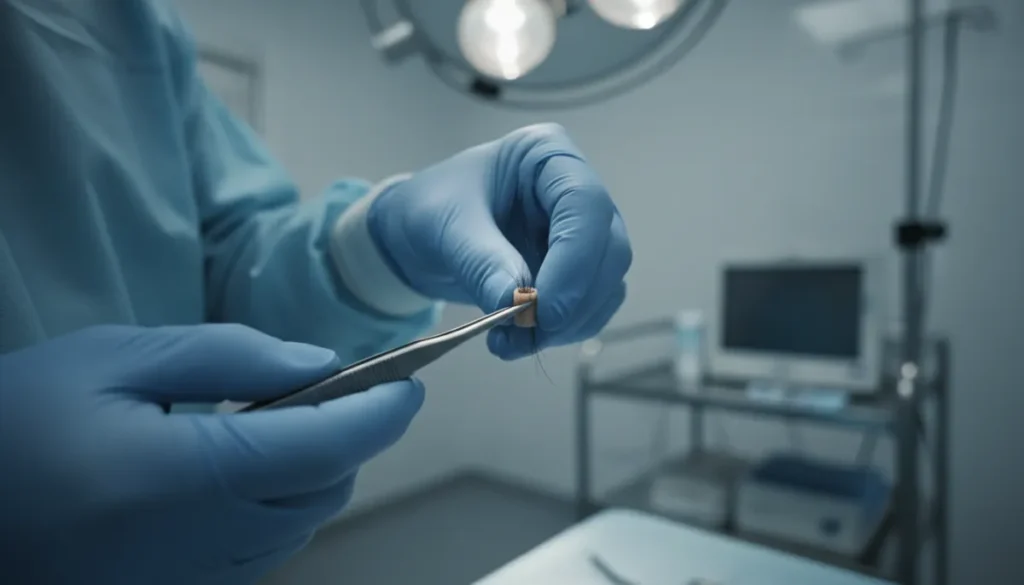
Step‑by‑Step Procedure: From Harvesting to Implantation
The process of answering how do hair plugs work can be broken down into distinct phases, each requiring careful planning and execution. Below is a typical workflow for a hair plug surgery:
- Pre‑operative assessment: The surgeon evaluates the donor and recipient areas, measures the degree of hair loss, and discusses realistic expectations.
- Donor strip removal: A thin strip of scalp (usually 1‑2 cm wide) is excised from the back of the head. This provides the source tissue for the plugs.
- Graft preparation: The strip is dissected under a microscope into individual plugs, each containing multiple follicular units.
- Recipient site creation: Small incisions are made in the balding area using a punch or blade, spaced according to the desired density.
- Implantation: Plugs are inserted into the incisions, ensuring proper orientation and depth.
- Closure and dressing: The donor site is sutured, and the scalp is covered with a protective dressing.
While the technique is straightforward, the success of the transplant heavily depends on the surgeon’s skill in graft handling and placement. Modern practices often combine plug methodology with finer grafts to improve the final appearance.
Benefits, Limitations, and Expected Results
Understanding how hair plugs work also means recognizing their advantages and drawbacks compared with newer methods like FUE or DHI. Below is a concise comparison:
| Aspect | Hair Plug (Classic) | Modern Techniques (FUE/DHI) |
|---|---|---|
| Graft Size | 2‑4 mm, multiple hairs per graft | 0.8‑1.2 mm, single follicular units |
| Scarring | Linear donor scar | Minimal or no visible scar |
| Recovery Time | 7‑10 days for donor, 10‑14 days for recipient | 3‑5 days for donor, 7‑10 days for recipient |
| Natural Appearance | Initial “plug” look, may soften over time | Immediate natural density |
| Cost | Generally lower per graft | Higher per graft, but often more efficient |
Key benefits of the plug method include a relatively quick harvesting process and lower per‑graft cost, making it attractive for patients on a tighter budget. However, the larger grafts can lead to a less natural look initially, and the linear scar may be a cosmetic concern for those who prefer short hairstyles.
Long‑term results typically show graft survival rates of 70‑80 %, comparable to modern techniques, but the aesthetic outcome often requires additional sessions or refinement.
Recovery, Aftercare, and Long‑Term Maintenance
Post‑operative care is crucial to ensure the grafts survive and the scalp heals properly. Patients often ask how do hair plugs work in the context of recovery, and the answer lies in diligent after‑care.
Typical aftercare guidelines include:
- First 48 hours: Keep the scalp clean, avoid touching the grafts, and sleep with the head elevated.
- Days 3‑7: Gentle washing with a prescribed shampoo, avoid direct sun exposure, and refrain from strenuous exercise.
- Weeks 2‑4: Begin light scalp massage to promote circulation, continue protecting the area from UV rays.
- Months 3‑6: Expect initial shedding of transplanted hairs (shock loss), followed by new growth cycles.
Long‑term maintenance may involve using minoxidil or finasteride to support existing native hair, as well as periodic follow‑up visits to assess graft stability. While hair plugs can provide a solid foundation, many patients combine them with newer grafts to achieve a smoother, denser result.
Cost Considerations and Choosing the Right Clinic
When evaluating how do hair plugs work, cost is a major factor for many. The price of hair plugs varies by region, clinic reputation, and the number of grafts needed. In Turkey, where Gold City Hair operates, the average cost per plug graft ranges from $1.5 to $3, making it a relatively affordable option compared with FUE, which can range from $2 to $5 per graft.
Factors influencing total price include:
- Number of grafts required (typically 1,500‑3,000 for moderate loss).
- Surgeon experience and clinic facilities.
- Included services such as accommodation, medication, and follow‑up.
Choosing a reputable clinic is essential. Look for transparent communication, board‑certified surgeons, and a track record of patient satisfaction. Gold City Hair, for example, offers personalized consultations, state‑of‑the‑art facilities, and a clear breakdown of all costs, ensuring you know exactly what you’re paying for.
Why Choose Gold City Hair
Gold City Hair has been delivering safe and effective saç restorasyonu solutions since 2017. Our team combines expertise in FUE, DHI, and traditional methods to tailor each treatment to the individual’s needs. We prioritize transparent communication, detailed pre‑operative planning, and comprehensive after‑care, helping patients achieve lasting confidence through natural‑looking results.
Ready to explore the best option for your hair restoration journey? Contact Gold City Hair today for a free, no‑obligation consultation and discover how our personalized approach can help you regain confidence.
Take the first step toward a fuller, healthier scalp—schedule your appointment now.
SSS
How do hair plugs work?
Hair plugs involve removing small cylindrical sections of scalp containing multiple hair follicles and implanting them into pre‑made incisions on the balding area.
What is the difference between hair plugs and modern FUE techniques?
Hair plugs use larger grafts (2‑4 mm) with multiple hairs, while FUE extracts individual follicular units that are 0.8‑1.2 mm, resulting in less visible scarring and a more natural immediate appearance.
What is the typical recovery time after a hair plug transplant?
Recovery for the donor area is usually 7‑10 days, and the recipient area heals in 10‑14 days, with full graft maturation taking several months.
What are the main benefits and limitations of hair plugs?
Benefits include lower per‑graft cost and quick harvesting; limitations are larger graft size, a temporary “plug” look, and a linear donor scar.
How does the cost of hair plugs compare to other hair transplant methods?
Hair plugs typically cost $1.5‑$3 per graft, whereas FUE can range from $2‑$5 per graft, making plugs a more affordable option in many regions.
What aftercare is required after a hair plug procedure?
Aftercare includes keeping the scalp clean, avoiding touching grafts, elevating the head while sleeping, gentle washing, sun protection, and gradual scalp massage.