If you’re wondering how long does FUE last, you’ve come to the right place. An FUE (Follicular Unit Extraction) hair transplant is one of the most popular solutions for permanent hair restoration, but many patients ask about the durability of the results. Understanding the factors that influence longevity helps you set realistic expectations and plan for a confident future.
Hair loss affects more than 30 million men and women worldwide, and the desire for a lasting solution has driven rapid advances in transplant technology. While the procedure itself is minimally invasive, the true measure of success is how the grafts behave over years and even decades. In this article we’ll explore the science behind graft survival, the typical timeline from surgery to full growth, and the variables that can extend or shorten the lifespan of your new hair.
By the end of this guide you’ll know what to expect during each phase of recovery, how lifestyle and after‑care impact graft endurance, and why choosing an experienced clinic like Gold City Hair matters for long‑term satisfaction.
Understanding the FUE Procedure and Its Durability
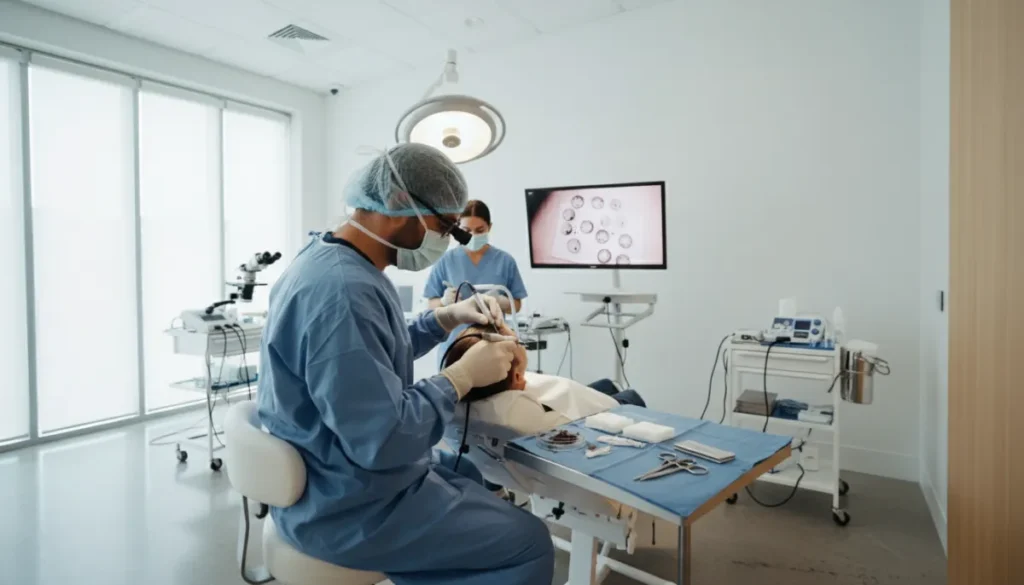
Follicular Unit Extraction involves harvesting individual hair follicles from a donor area—usually the back of the scalp—and implanting them into balding zones. Because each graft is placed with precision, the procedure minimizes scarring and maximizes natural appearance. But why are the results often described as permanent?
What Is FUE?
In FUE, a specialized punch tool removes a single follicular unit (1‑4 hairs) without cutting surrounding tissue. The extracted grafts retain their own blood supply, which allows them to establish a new vascular connection in the recipient site within days. This micro‑grafting technique reduces trauma and supports higher survival rates compared to older strip methods.
Why Results Tend to Be Long‑Living
Several biological factors contribute to the durability of an FUE transplant:
- Genetic resistance of donor hair to DHT (dihydrotestosterone), the hormone responsible for androgenic alopecia.
- Precise placement that respects natural hair growth angles, reducing tension on the grafts.
- Minimal scar tissue formation, which preserves scalp elasticity and blood flow.
These elements combine to give transplanted hairs a lifespan that can mirror that of the original donor follicles—often lasting decades.
| Technique | Average Graft Survival Rate | Typical Longevity |
|---|---|---|
| FUE | 90‑95% | 10‑20+ years |
| DHI (Doğrudan Saç İmplantasyonu) | 88‑93% | 8‑15 years |
| FUT (Strip) | 85‑92% | 7‑12 years |
Typical Timeline: From Surgery to Full Growth
The journey from the operating room to a fully matured hairline follows a predictable pattern. While the exact schedule can vary per individual, most patients experience similar milestones.
Immediate Post‑Op Phase (Days 1‑7)
- Redness and mild swelling typically subside within 48‑72 hours.
- Scabs form around each graft and naturally fall off after 7‑10 days.
- Patients are advised to avoid strenuous activity and direct sunlight.
First Month (Weeks 2‑4)
During this period, the transplanted follicles enter a resting phase called telogen. You may notice some shedding of the transplanted hairs—a normal process known as “shock loss.” This shedding signals that the follicles are preparing for a new growth cycle.
Three to Six Months
New hair shafts begin to emerge, initially as fine, “peach‑fuzz” hairs. By the six‑month mark, the majority of grafts have produced visible strands, though thickness continues to improve.
One Year and Beyond
At 12‑18 months, the hair reaches its final density and texture. Most patients report that the results feel permanent, and the grafts continue to grow naturally for years.
Understanding this hair transplant timeline helps set realistic expectations and reduces anxiety during the healing process.
Factors That Influence How Long an FUE Transplant Will Last
While FUE offers impressive durability, several variables can affect the ultimate lifespan of your grafts. Recognizing these factors enables you to take proactive steps for optimal longevity.
Patient Age and Hormonal Profile
Younger patients often have more robust healing responses, but they may also experience ongoing hormonal changes that could affect future hair loss. Conversely, older patients may have slower healing but more stable hormonal environments.
Donor Area Quality
The density and health of the donor region are critical. Areas with dense, thick hair that are genetically resistant to DHT provide the strongest foundation for long‑lasting results.
Post‑Operative Care
- Following prescribed medication regimens (e.g., finasteride, minoxidil) supports graft survival.
- Maintaining scalp hygiene and avoiding harsh chemicals prevents inflammation.
- Protecting the scalp from UV exposure reduces oxidative stress.
Lifestyle and Medications
Smoking, excessive alcohol consumption, and certain medications can impair blood flow to the scalp, potentially shortening graft lifespan. A balanced diet rich in vitamins and minerals promotes healthy hair growth.
| Factor | Impact on Longevity | Recommended Action |
|---|---|---|
| Age/Hormones | Variable graft retention | Hormone monitoring, personalized medication |
| Donor Quality | Directly proportional | Select a clinic with precise donor mapping |
| After‑care Compliance | High impact | Follow prescribed regimen diligently |
| Lifestyle Choices | Moderate impact | Quit smoking, balanced diet, limit alcohol |
Comparing FUE Longevity with Other Hair Restoration Methods
When evaluating how long does FUE last, it’s helpful to compare it with alternative techniques. Each method has distinct advantages and limitations regarding durability.
FUE vs. Hair Plugs (Mini‑Grafts)
Hair plugs, popular in the 1990s, involved transplanting large grafts that often produced an unnatural “doll‑like” appearance. Their survival rates were lower, typically 70‑80%, and many patients required repeat procedures within 5‑7 years.
FUE vs. Strip (FUT)
Strip surgery removes a linear strip of scalp, yielding a larger number of grafts in a single session. While FUT can achieve high density, the linear scar may be visible, and the graft survival rate averages 85‑92%, slightly lower than modern FUE techniques.
FUE vs. DHI
DHI uses a proprietary implantation pen that places grafts without creating recipient incisions first. Survival rates are comparable (88‑93%), but DHI may involve longer operative times and higher costs. Both methods offer permanent results, but many surgeons favor FUE for its flexibility and lower risk of scarring.
Overall, the consensus among experts is that FUE provides one of the longest-lasting outcomes among contemporary hair restoration options, especially when performed by a skilled team.
What to Expect After 10 Years and Beyond
Many patients wonder if their investment will hold up a decade later. Long‑term studies indicate that the majority of grafts remain healthy for 10‑15 years, with a gradual decline in density that mirrors natural aging.
Hair Retention Rates
Research shows that approximately 85‑90% of transplanted hairs survive beyond the ten‑year mark when proper after‑care is maintained. The remaining loss is usually due to progressive thinning of the native, non‑transplanted hair surrounding the grafts.
Potential Need for Touch‑Ups
While the transplanted follicles are permanent, the surrounding native hair may continue to recede. Some individuals opt for a “maintenance transplant” or supplemental FUE sessions to address new balding areas, ensuring a consistent overall appearance.
Managing Expectations
- Set realistic goals: total restoration may not be possible if extensive balding exists.
- Regular follow‑ups with your surgeon help monitor graft health.
- Continuing medical therapy (e.g., finasteride) can preserve existing native hair.
In summary, how long does FUE last is largely a question of proper patient selection, meticulous surgical technique, and diligent after‑care. When these elements align, patients can enjoy natural‑looking, permanent results that endure for decades.
Why Choose Gold City Hair for Your FUE Transplant
Gold City Hair has been delivering personalized hair restoration solutions in Turkey since 2017. Our team combines extensive experience with the latest FUE technology to ensure optimal graft survival and natural aesthetics. We prioritize transparent communication, detailed pre‑operative planning, and comprehensive post‑operative support, giving you confidence throughout every stage of your journey.
Ready to discover how long your new hair can last? Contact Gold City Hair today to schedule a personalized consultation and take the first step toward lasting confidence.
SSS
How long does an FUE hair transplant typically last?
Most FUE grafts survive 10‑20+ years, with many patients seeing permanent results for a decade or more.
What is the typical timeline for hair growth after an FUE procedure?
Hair growth follows a predictable schedule: shedding in weeks 2‑4, fine new hairs appear at 3‑6 months, and full density by 12‑18 months.
Which factors affect the longevity of an FUE transplant?
Key factors include donor hair quality, patient age/hormones, post‑op care, lifestyle habits, and medication compliance.
How does FUE compare to FUT and DHI in terms of durability?
FUE generally offers the highest graft survival (90‑95%) and comparable long‑term results to DHI, while FUT has slightly lower survival rates (85‑92%).
What after‑care steps can extend the lifespan of FUE grafts?
Follow prescribed medication, protect the scalp from sun, maintain scalp hygiene, avoid smoking, and adopt a balanced diet rich in vitamins.
Will I need touch‑up procedures after ten years?
Many patients opt for maintenance FUE sessions after a decade to address new balding areas, though the original grafts remain permanent.





