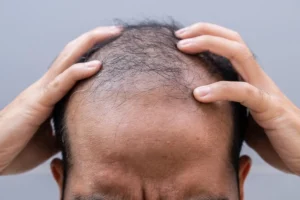
If you’re wondering how to avoid getting bald, you’re not alone. Millions of people worldwide face the anxiety of thinning hair, and the desire to preserve a full head of hair drives many to seek reliable information. This article explains the science behind hair loss, everyday habits that influence scalp health, and practical steps you can take today to protect your follicles.
Hair loss affects both men and women, with alopecia and androgenetic patterns accounting for the majority of cases. Understanding the root causes empowers you to intervene early, before noticeable balding sets in. In the following sections, we’ll explore lifestyle choices, nutrition, and medical options that together create a comprehensive plan to maintain robust hair growth.
From simple adjustments like reducing heat styling to more advanced interventions such as low‑level laser therapy, the strategies outlined here are evidence‑based and aligned with the expertise of Gold City Hair’s specialists. Let’s begin the journey toward a healthier scalp and a confident future.
Saç Dökülmesinin Nedenlerini Anlamak
Before you can effectively avoid getting bald, it’s essential to recognize the diverse factors that trigger hair thinning. While genetics play a pivotal role, environmental and physiological influences also contribute significantly.
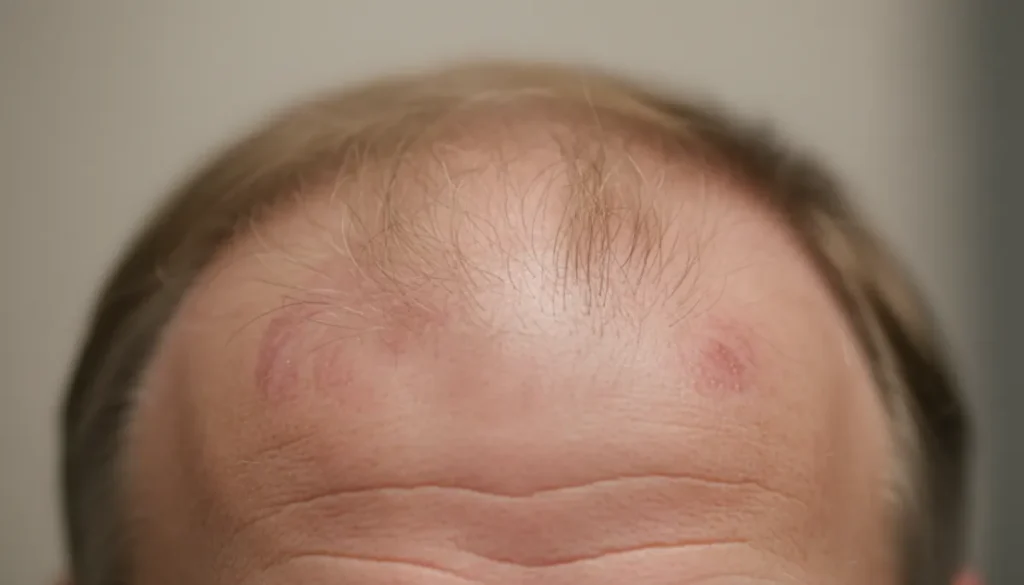
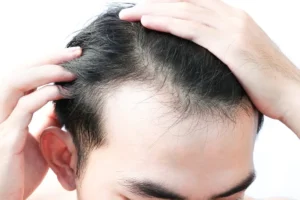
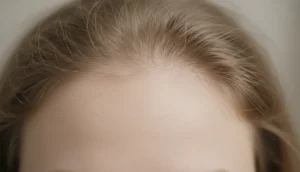
- Genetic predisposition: Androgenetic alopecia, commonly known as male or female pattern baldness, is hereditary and often manifests as a receding hairline or crown thinning.
- Hormonal changes: Fluctuations in thyroid hormones, estrogen, or testosterone can accelerate hair shedding.
- Medical conditions: Autoimmune disorders such as alopecia areata cause patchy hair loss, while chronic illnesses may lead to telogen effluvium.
- Medications and treatments: Certain drugs, including chemotherapy agents and high‑dose retinoids, can trigger temporary or permanent hair loss.
- Stress and lifestyle: Prolonged psychological stress pushes hair follicles into the resting phase, resulting in noticeable thinning.
Recognizing these triggers allows you to tailor preventative measures. For instance, if you have a family history of male pattern baldness, early monitoring of a receding hairline can prompt timely action. Likewise, managing stress through mindfulness or regular exercise can mitigate telogen‑related shedding.
Lifestyle Habits That Influence Baldness
Daily routines have a direct impact on scalp vitality. Simple adjustments in grooming, environment, and habits can dramatically reduce the risk of premature hair loss.
- Gentle cleansing: Use sulfate‑free shampoos and avoid excessive scrubbing, which can irritate the scalp and weaken follicles.
- Avoid tight hairstyles: Styles such as ponytails, braids, or man buns can cause traction alopecia, especially when worn constantly.
- Limit heat styling: High temperatures from straighteners or curling irons damage the cuticle, leading to breakage and thinning.
- Protect from UV exposure: Prolonged sun exposure dehydrates hair shafts; wearing hats or applying UV‑protective sprays helps preserve integrity.
- Quit smoking: Nicotine constricts blood vessels, reducing oxygen and nutrient flow to hair follicles.
Adopting these habits not only supports existing hair but also creates a favorable environment for new growth. Regular scalp massages, for example, stimulate blood circulation and can enhance follicle function, an easy yet effective method to avoid getting bald.
Nutrition and Supplements for Stronger Hair
What you eat directly influences the health of your hair. A balanced diet rich in essential nutrients supplies the building blocks needed for robust follicle activity.
| Nutrient | Key Sources | Benefit for Hair |
|---|---|---|
| Biotin (Vitamin B7) | Eggs, nuts, salmon | Strengthens hair shaft and reduces breakage |
| Iron | Spinach, lentils, red meat | Prevents anemia‑related shedding |
| D Vitamini | Sunlight, fortified dairy, fatty fish | Supports follicle cycling |
| Zinc | Pumpkin seeds, oysters, chickpeas | Regulates oil glands and promotes growth |
| Omega‑3 Fatty Acids | Chia seeds, walnuts, mackerel | Reduces inflammation and improves scalp health |
Supplementation can fill dietary gaps, but it’s best to consult a healthcare professional before starting any regimen. Research suggests that a combination of biotin, iron, and vitamin D can be particularly effective for individuals experiencing hair thinning. Remember, nutrition works synergistically with other preventive measures, forming a holistic defense against baldness.
Early Interventions and Medical Options
When lifestyle and nutrition alone are insufficient, medical interventions offer targeted solutions to halt or reverse hair loss. Early detection is crucial; the sooner you act, the better the outcomes.
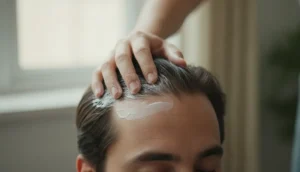
- Topical treatments: Minoxidil (Rogaine) is FDA‑approved for both men and women, promoting follicle enlargement and extending the growth phase.
- Oral medications: Finasteride (for men) and low‑dose oral contraceptives (for women) target hormonal pathways that accelerate androgenetic alopecia.
- Low‑level laser therapy (LLLT): Non‑invasive devices emit red light that stimulates cellular activity in the scalp, improving density.
- Platelet‑rich plasma (PRP): Autologous plasma injections deliver growth factors that encourage regeneration.
- Hair transplant surgery: Techniques such as FUE (Follicular Unit Extraction) and DHI (Direct Hair Implantation) relocate healthy follicles to balding zones, offering permanent restoration.
Gold City Hair specializes in FUE and DHI procedures, delivering natural‑looking results with minimal downtime. For those seeking a long‑term solution, a personalized transplant plan can effectively prevent further baldness and restore confidence.
Protecting Your Hair from Everyday Damage
Even after adopting healthy habits, external factors can still erode hair quality. Understanding how to shield your strands from daily stressors is vital for sustained growth.
- Choose breathable headwear: When outdoors, opt for hats made of natural fibers that allow airflow while protecting against UV rays.
- Sleep on silk or satin pillowcases: These reduce friction and prevent breakage compared to cotton surfaces.
- Avoid harsh chemicals: Limit the use of bleach, strong dyes, and relaxers that can weaken the hair shaft.
- Regular trimming: Removing split ends every 8‑10 weeks prevents further splitting up the strand.
- Hydration: Keep hair moisturized with lightweight conditioners or leave‑in serums to maintain elasticity.
By integrating these protective practices, you reinforce the foundation built by earlier lifestyle and medical steps, creating a comprehensive defense that helps you avoid getting bald for years to come.
Why Choose Gold City Hair
Gold City Hair has been delivering personalized hair restoration solutions in Turkey since 2017. Our team combines cutting‑edge FUE and DHI techniques with a patient‑centered approach, ensuring transparent communication and tailored treatment plans. Whether you’re exploring preventive strategies or seeking a full transplant, we provide expert guidance, state‑of‑the‑art facilities, and a commitment to lasting results that boost confidence.
Ready to take control of your hair health? Contact Gold City Hair today for a free consultation and discover the most effective way to prevent baldness.
Start your journey toward a fuller, healthier scalp—schedule your appointment now.
SSS
What are the main causes of hair loss?
Hair loss can be caused by genetics, hormonal changes, medical conditions, certain medications, and lifestyle factors like stress.
How can lifestyle changes help prevent baldness?
Adopting gentle hair care, avoiding tight styles, limiting heat, protecting from UV, and quitting smoking can reduce hair loss risk.
Which nutrients are essential for healthy hair growth?
Biotin, iron, vitamin D, zinc, and omega‑3 fatty acids are key nutrients for strong hair.
What medical treatments are available for early hair loss?
Topical minoxidil, oral finasteride, low‑level laser therapy, PRP injections, and hair transplant surgery are common options.
How does low‑level laser therapy work for hair restoration?
LLLT uses red light to boost cellular metabolism in hair follicles, promoting growth and increasing density.
What should I consider when choosing a hair transplant clinic?
Look for board‑certified surgeons, proven FUE/DHI expertise, transparent pricing, and strong patient testimonials.