Finding a single bald spot can feel like a sudden loss of confidence, especially when you wonder how to grow hair in bald spot areas safely and effectively. Whether the thinning is caused by genetics, hormonal changes, or an isolated injury, understanding the options available is essential for making an informed decision. In this article we explore medical treatments, lifestyle adjustments, and cutting‑edge hair restoration techniques that target the underlying causes of hair loss.
According to recent dermatology studies, up to 40 % of adults will notice a noticeable bald spot by the age of 35. The good news is that modern science offers a range of solutions that can stimulate new growth, protect existing follicles, and, in many cases, permanently restore density.
We will break down each approach, explain how it works, and help you decide which path aligns with your goals and budget. Let’s start by looking at the fundamentals of hair biology and why some areas become bald while others stay full.
Understanding the Causes of a Bald Spot
The first step in answering how to grow hair in bald spot is to identify the root cause. A localized area of hair loss can result from:
- Androgenic alopecia (male or female pattern baldness)
- Traumatic injury or scarring (e.g., surgery, burns)
- Alopecia areata, an autoimmune condition that targets specific patches
- Hormonal imbalances, such as thyroid disorders
- Nutrient deficiencies, especially iron, zinc, and biotin
Each cause demands a tailored approach. For example, alopecia areata may respond to topical steroids, while androgenic patterns often require systemic medication or surgical restoration.
| Cause | Typical Appearance | Recommended First‑Line Treatment |
|---|---|---|
| Androgenic alopecia | Gradual thinning, often at the crown or temples | Finasteride, minoxidil, or hair transplant |
| Alopecia areata | Round, smooth patches of complete hair loss | Topical corticosteroids, immunotherapy |
| Scarring (cicatricial) alopecia | Irregular, often shiny scar tissue | Address underlying inflammation; consider transplant if scar is stable |
Understanding the diagnosis allows you to choose the most effective method for how to grow hair in bald spot areas, rather than applying a one‑size‑fits‑all remedy.
Medical Treatments That Stimulate New Growth
When the goal is to learn how to grow hair in bald spot regions, medical interventions are often the most reliable route. Below are the most widely studied options.
Topical Minoxidil
Minoxidil 5 % solution is an over‑the‑counter vasodilator that prolongs the anagen (growth) phase of the hair cycle. Clinical trials show a 30‑40 % increase in hair density after six months of consistent use. It works best on early‑stage thinning and can be combined with other therapies.
Finasteride for Men
Finasteride 1 mg daily inhibits the conversion of testosterone to dihydrotestosterone (DHT), the hormone most responsible for follicular miniaturization. Studies report a 25 % reduction in hair loss and noticeable regrowth in many users after one year.
Platelet‑Rich Plasma (PRP) Therapy
PRP involves drawing a small amount of the patient’s blood, concentrating the platelets, and injecting the growth‑factor‑rich serum into the scalp. This stimulates dormant follicles and improves vascular supply. Results typically appear after three to four sessions spaced a month apart.
- Pros: Minimal downtime, natural autologous material
- Cons: Requires multiple visits, variable outcomes
Low‑Level Laser Therapy (LLLT)
LLLT devices emit red light at wavelengths that enhance cellular metabolism in hair follicles. A 2022 meta‑analysis concluded that regular use (3‑5 times per week) can increase hair thickness by up to 20 % over six months.
While each of these treatments can address the question of how to grow hair in bald spot areas, they often work best when combined with lifestyle changes and, for many patients, a surgical solution.
Natural and Lifestyle Approaches
Many people first ask how to grow hair in bald spot using natural remedies before turning to prescription medication. While results can be slower, certain habits and nutrients create a supportive environment for follicle health.
Nutrition and Supplements
Hair is primarily made of keratin, a protein that requires adequate amino acids, iron, zinc, and vitamins A, C, D, and E. A balanced diet rich in lean meats, fish, leafy greens, nuts, and seeds supplies these building blocks. Specific supplements that have shown benefit include:
- Biotin (Vitamin B7) – 5,000 µg daily
- Vitamin D3 – 2,000 IU daily if deficient
- Iron – 18 mg daily for women, 8 mg for men (under medical supervision)
- Omega‑3 fatty acids – 1,000 mg EPA/DHA daily
Scalp Care Routine
Gentle cleansing with a sulfate‑free shampoo prevents follicular irritation. Regular scalp massage using fingertips for 5 minutes stimulates blood flow, which can improve nutrient delivery to the hair bulb.
Stress Management
Chronic stress elevates cortisol, a hormone that can push hair follicles into the telogen (resting) phase. Techniques such as mindfulness meditation, regular exercise, and adequate sleep (7‑9 hours) have been linked to reduced shedding.
While natural methods may not replace a targeted medical plan for every individual, they are essential components of a holistic strategy for how to grow hair in bald spot and maintain long‑term scalp health.
Surgical Hair Restoration: FUE and DHI Techniques
When you ask how to grow hair in bald spot and have exhausted non‑invasive options, a hair transplant offers a permanent solution. Gold City Hair specializes in two of the most advanced methods: Follicular Unit Extraction (FUE) and Direct Hair Implantation (DHI).
Foliküler Ünite Ekstraksiyonu (FUE)
FUE involves harvesting individual follicular units from a donor area—usually the back of the scalp—using a micro‑punch tool. These units are then meticulously placed into the recipient site, following natural hair growth angles. Benefits include:
- No linear scar, allowing short hairstyles
- Rapid healing, typically 7‑10 days of downtime
- High graft survival rates (95 %+)
Direct Hair Implantation (DHI)
DHI uses a patented implanter pen that allows simultaneous extraction and implantation, reducing handling time and improving graft orientation. This technique is especially useful for small, precise bald spots because it offers:
- Greater control over depth and angle
- Higher density in limited areas
- Reduced trauma to grafts
Choosing the Right Procedure
Factors to consider include the size of the bald spot, donor hair quality, and personal aesthetic goals. A consultation with a certified surgeon will include:
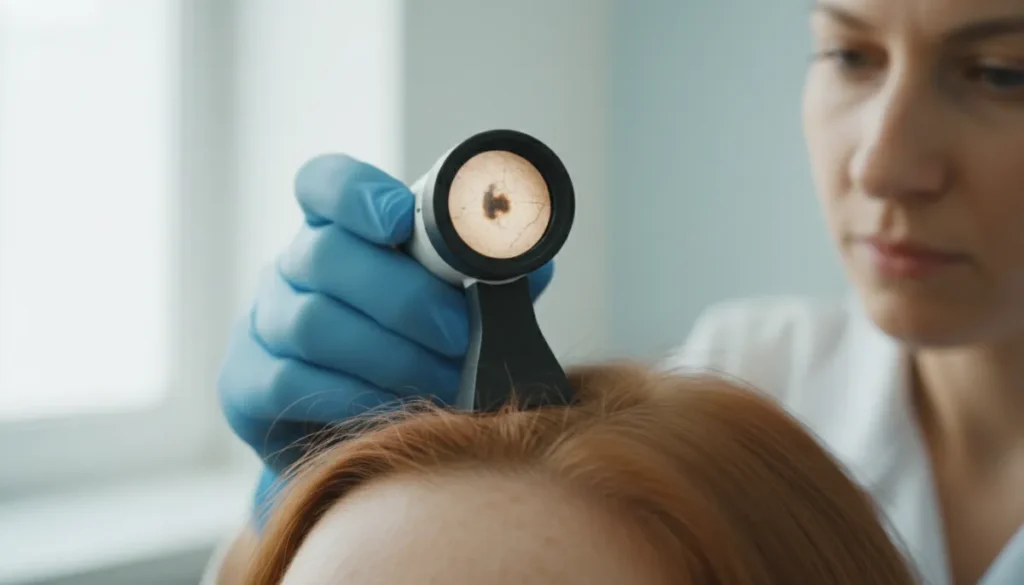
- Trichoscopic analysis to assess follicle density
- Discussion of expected results and timeline
- Personalized plan for graft placement
For most patients, a single session can restore a moderate bald spot, while larger areas may require two stages. The results become visible after 3‑4 months, with full maturation at 12‑18 months.
Post‑Procedure Care and Long‑Term Maintenance
Even after you have learned how to grow hair in bald spot through surgery, the journey doesn’t end at the operating table. Proper after‑care maximizes graft survival and ensures lasting density.
Immediate Post‑Op Guidelines
- Keep the scalp clean with a mild, prescribed shampoo starting 48 hours after surgery
- Avoid direct sunlight and wear a loose hat for the first two weeks
- Refrain from strenuous exercise for 7‑10 days to prevent excessive sweating
Medication and Supplements
Doctors often prescribe a short course of oral antibiotics and anti‑inflammatory medication to reduce infection risk and swelling. Continuing minoxidil or low‑dose finasteride can enhance graft retention.
Long‑Term Lifestyle
Maintain the nutritional and stress‑management habits discussed earlier. Regular scalp massages and periodic PRP sessions can further boost blood flow and keep follicles thriving.
By adhering to these guidelines, you protect the investment you made in learning how to grow hair in bald spot and preserve the natural look of your restored hair for years to come.
Why Choose Gold City Hair
Gold City Hair has been delivering personalized hair restoration solutions in Turkey since 2017. Our clinic combines the latest FUE and DHI technologies with a transparent, patient‑focused approach. Every treatment plan is customized to address the specific cause of your bald spot, ensuring natural‑looking results and lasting confidence. With a team of experienced surgeons and a commitment to ethical care, we provide a safe, effective path to regaining a full head of hair.
Ready to take the first step toward a fuller scalp? Contact Gold City Hair today for a free, no‑obligation consultation and discover the best solution for how to grow hair in bald spot that fits your lifestyle.
Call us now or fill out our online form—your new confidence is just a conversation away.
SSS
What are the most effective medical treatments to grow hair in a bald spot?
Topical minoxidil, oral finasteride, PRP therapy, and low‑level laser therapy are the most evidence‑based medical options.
Can natural remedies help regrow hair in a bald spot?
Yes, proper nutrition, scalp care, and stress management can support hair regrowth, though results are slower than medical options.
What is the difference between FUE and DHI hair transplant techniques?
FUE extracts individual grafts and implants them manually, while DHI uses an implanter pen for simultaneous extraction and placement, offering greater precision.
How long does it take to see results after a hair transplant for a bald spot?
Visible hair growth typically begins 3‑4 months post‑procedure, with full maturation by 12‑18 months.
What post‑procedure care is essential to maintain hair growth after a transplant?
Gentle scalp cleansing, sun protection, limited exercise, prescribed medications, and ongoing nutrition are key for graft survival.





