Many people wonder how can i tell if my hairline is receding before it becomes noticeably thin. Recognizing the early signs can save you from deeper hair loss and give you a wider range of treatment options. In this article we’ll walk through the visual cues, explain the difference between a natural mature hairline and true recession, and outline steps you can take when you notice changes.
Hair loss at the front of the scalp is one of the most common concerns for both men and women. Statistics show that up to 40 % of men experience some degree of hairline recession by age 35, while a growing number of women also report thinning at the forehead. Understanding these patterns early helps you act confidently and choose the right professional care.
We’ll cover the most reliable methods to assess your own hairline, the factors that accelerate recession, and the modern solutions—including the advanced FUE and DHI techniques offered by Gold City Hair—that can restore a natural‑looking front. Let’s begin by learning the visual clues you can spot in the mirror or with a simple photo comparison.
Common Early Signs of a Receding Hairline
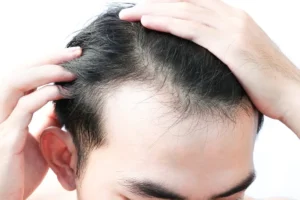
Spotting a receding hairline often starts with subtle changes that many overlook. Below are the most frequent early indicators you should monitor:
- Gradual thinning along the temples, creating a “M” shape.
- Increased visibility of the scalp when the hair is pulled back.
- Hairline that appears higher when you compare current photos to older ones.
- Small, isolated patches of hair loss at the front edge.
- Hair that feels finer or softer in the frontal area.
These signs can appear slowly over months, making a side‑by‑side photo comparison a useful tool. If you notice any of the above, it may be time to evaluate further.
| Feature | Normal Hairline | Early Receding Hairline |
|---|---|---|
| Temple shape | Soft, rounded curve | Sharp “M” or V shape |
| Scalp visibility | Minimal when hair is pulled back | Noticeable scalp through hair |
| Hair density | Consistent across front | Reduced density at edges |
| Hairline height | Stable over years | Gradually higher over time |
When you answer “yes” to several of these items, the question how can i tell if my hairline is receding is no longer theoretical—you’re likely witnessing early recession.
Understanding the Difference Between a Mature Hairline and a Receding Hairline
As you age, it’s normal for the hairline to shift slightly—a process known as a mature hairline. Distinguishing this natural change from true recession is crucial for deciding whether intervention is needed.
A mature hairline typically retains a smooth, continuous curve and does not show significant thinning. In contrast, a receding hairline displays irregular edges, visible scalp, and a loss of density that progresses over time.
Key Characteristics of a Mature Hairline
- Gradual, uniform rise of the hairline over decades.
- No pronounced “M” shape; the line remains soft.
- Hair density remains relatively even across the front.
- Scalp remains hidden when hair is brushed back.
Key Characteristics of a Receding Hairline
- Sharp angles or deep “V” at the temples.
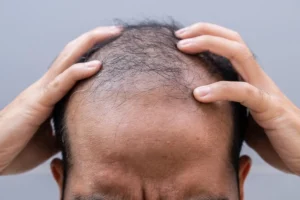
- Noticeable scalp exposure even with short hair.
- Localized thinning that worsens with time.
- Often accompanied by hair thinning on the crown.
If you’re still unsure, consider the question how can i tell if my hairline is receding in the context of these traits. A mature hairline will lack the aggressive thinning patterns listed above.
Factors That Contribute to Hairline Recession
Understanding the root causes of a receding hairline helps you target prevention and treatment. While genetics play a dominant role, several lifestyle and environmental factors can accelerate the process.
Genetik Yatkınlık
Family history is the strongest predictor. If close relatives experienced early hairline recession, you may be more likely to notice similar patterns.
Hormonal Influences
Androgens, especially dihydrotestosterone (DHT), shrink hair follicles at the front of the scalp. This hormonal effect is why men often see a receding hairline before other areas.
Stress and Nutrition
- Chronic stress can trigger telogen effluvium, leading to temporary thinning that may become permanent if sustained.
- Deficiencies in iron, vitamin D, and protein affect hair growth cycles.
Styling Practices
Frequent tight ponytails, braids, or harsh chemical treatments can cause traction alopecia, which mimics recession at the hairline.
Medical Conditions
Autoimmune disorders, thyroid imbalances, and certain medications (e.g., anticoagulants) can contribute to frontal thinning.
By reviewing these contributors, you can answer the lingering question how can i tell if my hairline is receding with more confidence and decide whether a professional assessment is warranted.
When to Seek Professional Evaluation
Not every thinning hairline requires immediate medical intervention, but certain signs suggest it’s time to consult a specialist.
- Rapid progression of the “M” shape within six months.
- Visible scalp in multiple frontal zones.
- Concurrent thinning on the crown or vertex.
- Family history of early baldness combined with personal changes.
- Any accompanying symptoms such as itching, redness, or pain.
During a professional evaluation, a clinician will assess scalp health, measure hair density, and may use dermoscopy to differentiate between scar tissue and viable follicles. This thorough approach answers the core question how can i tell if my hairline is receding with scientific precision.
Early consultation expands your treatment timeline, allowing less invasive options to be effective before significant follicle loss occurs.
Available Treatment Options for a Receding Hairline
Once a receding hairline is confirmed, several effective treatments can restore density and improve appearance. Options range from non‑surgical to advanced surgical techniques.
Medical Therapies
- Minoxidil (topical solution) – stimulates follicular activity and can halt early recession.
- Finasteride (oral) – reduces DHT levels, slowing follicle miniaturization.
- Low‑level laser therapy – promotes blood flow and cellular metabolism.
Surgical Solutions
| Technique | How It Works | Ideal Candidates | Recovery Time |
|---|---|---|---|
| FUE (Follicular Unit Extraction) | Individual follicles are harvested and transplanted to the frontal zone. | Patients with stable donor area and moderate recession. | 7‑10 days for minor swelling. |
| DHI (Doğrudan Saç İmplantasyonu) | Follicles are placed directly using a specialized implanter pen. | Those seeking higher precision and denser results. | 5‑7 days, minimal scarring. |
| Scalp Micropigmentation | Pigment is applied to simulate hair follicles. | Patients preferring a non‑surgical aesthetic solution. | 2‑3 sessions over a month. |
Lifestyle Adjustments
Complementary steps such as a balanced diet rich in biotin, reduced stress through mindfulness, and gentle hair‑care practices can enhance treatment outcomes.
By evaluating your specific situation, a qualified clinic can tailor a plan that addresses the question how can i tell if my hairline is receding and moves you toward a lasting solution.
Why Choose Gold City Hair for Hairline Restoration
Gold City Hair has been delivering personalized hair restoration solutions in Turkey since 2017. Our clinic combines the latest FUE ve DHI techniques with a patient‑centered approach, ensuring transparent communication at every step. Whether you’re dealing with a subtle recession or advanced frontal baldness, our experienced team designs a treatment plan that matches your unique hairline pattern and aesthetic goals. Trust a proven center that prioritizes safety, natural‑looking results, and lasting confidence.
Ready to take the next step? Contact Gold City Hair today for a free, no‑obligation consultation and discover the most effective way to restore your hairline.
Experience personalized care, state‑of‑the‑art techniques, and results that boost your confidence.
SSS
How can I tell if my hairline is receding?
Look for subtle changes such as a higher hairline, thinning at the temples, and an “M” shape forming.
What are the early signs of a receding hairline?
Early signs include a subtle “M” shape, thinning temples, higher hairline, and visible scalp when hair is pulled back.
How does a mature hairline differ from a receding hairline?
A mature hairline stays smooth and retains density, while a receding hairline shows sharp angles, thinning, and visible scalp.
What factors contribute to hairline recession?
Genetics, hormones (DHT), stress, nutrition deficiencies, harsh styling, and medical conditions can all accelerate hairline recession.
When should I seek professional evaluation for a receding hairline?
Seek a specialist if the “M” shape progresses rapidly, scalp becomes widely visible, or you notice crown thinning and other symptoms.
What treatment options are available for a receding hairline?
Treatments range from topical minoxidil and oral finasteride to surgical FUE, DHI, and non‑surgical scalp micropigmentation.