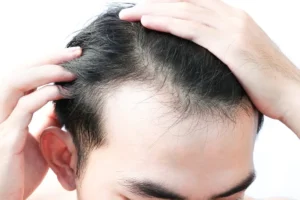
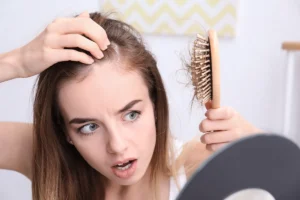
Facing a cancer diagnosis is challenging enough, and the prospect of how to stop hair loss during chemotherapy adds another layer of stress for many patients. While hair loss is a common side effect of many chemotherapy regimens, understanding the mechanisms behind it and employing proven strategies can significantly reduce its impact. This article explains why chemotherapy causes hair loss, outlines practical methods to protect your scalp, discusses nutritional support, and offers guidance for coping emotionally and planning for regrowth after treatment.
Studies show that up to 85% of patients receiving certain chemotherapy drugs experience noticeable hair thinning or complete loss. However, advances such as scalp‑cooling technology and targeted hair‑care routines have helped many retain more hair than previously thought. By the end of this guide, you will know which steps you can take before, during, and after chemotherapy to preserve your hair and confidence.
We will explore the science behind chemo‑induced alopecia, review evidence‑based interventions like cold caps, suggest diet and supplement options, and provide a roadmap for post‑treatment hair restoration, including when a hair transplant might be appropriate.
Understanding Why Chemotherapy Causes Hair Loss
Chemotherapy targets rapidly dividing cells to stop cancer growth, but it cannot distinguish between malignant cells and healthy cells that also divide quickly, such as those in hair follicles. This collateral damage leads to chemotherapy‑induced alopecia, which typically begins 2–3 weeks after the first treatment cycle.
The Biology of Chemo‑Induced Alopecia
Hair follicles go through cycles of growth (anagen), regression (catagen), and rest (telogen). Chemotherapy drugs interrupt the anagen phase, pushing follicles into a premature catagen state, which results in shedding. The severity depends on the drug’s mechanism, dosage, and individual sensitivity.
Common Chemotherapy Drugs Associated with Hair Loss
- Anthracyclines (e.g., doxorubicin, epirubicin)
- Taxanes (e.g., paclitaxel, docetaxel)
- Alkylating agents (e.g., cyclophosphamide, ifosfamide)
- Platinum compounds (e.g., cisplatin, carboplatin)
- Vinca alkaloids (e.g., vincristine, vinblastine)
The table below compares the relative risk of hair loss for several widely used chemotherapy agents.
| Drug Class | Typical Hair Loss Risk | Typical Regrowth Time |
|---|---|---|
| Anthracyclines | High (70‑90%) | 3‑6 months post‑treatment |
| Taxanes | Moderate‑High (60‑80%) | 2‑5 months |
| Alkylating agents | Variable (30‑70%) | 4‑8 months |
| Platinum compounds | Low‑Moderate (20‑50%) | 3‑7 months |
| Vinca alkaloids | Moderate (50‑70%) | 3‑6 months |
Proven Strategies to Reduce Hair Loss During Treatment
While not every method works for every patient, several evidence‑based approaches have been shown to lessen the severity of hair loss. The most widely recognized is scalp cooling, commonly referred to as the cold cap technique.
Scalp Cooling (Cold Cap) Therapy
Cold caps work by reducing the temperature of the scalp to 15‑22°C (59‑72°F) during chemotherapy infusion. This vasoconstriction limits the amount of drug that reaches hair follicles, thereby decreasing the likelihood of damage. Clinical trials report a 45‑65% reduction in hair loss for patients who use properly fitted caps.
Key points for successful cold cap use:
- Start cooling 30 minutes before infusion and continue for 30–90 minutes after.
- Ensure a snug fit; leaks compromise effectiveness.
- Consult your oncology team—some regimens are not compatible with cooling.
Gentle Hair Care Routines
Even without a cold cap, adopting a mild hair‑care regimen can help preserve existing strands.
- Use a sulfate‑free, silicone‑free shampoo and a lightweight conditioner.
- Pat hair dry with a soft towel; avoid vigorous rubbing.
- Limit heat styling—air‑dry or use a low‑heat setting if necessary.
- Choose loose, breathable head coverings (e.g., silk scarves) instead of tight hats.
These practices reduce mechanical stress on fragile follicles and lower the risk of breakage.
Nutritional and Supplement Support for Hair Preservation
Nutrition plays a vital role in maintaining healthy hair follicles, especially when the body is under the stress of chemotherapy. Certain nutrients have been linked to reduced hair shedding and faster regrowth.
Key Nutrients for Hair Health
- Biotin – Supports keratin production; 30‑60 µg daily is typical.
- Vitamin D – Modulates the hair growth cycle; aim for 800‑1,000 IU.
- Zinc – Essential for DNA synthesis in follicle cells; 8‑11 mg for adults.
- Iron – Prevents anemia‑related hair loss; monitor ferritin levels.
- Omega‑3 fatty acids – Reduce inflammation and improve scalp circulation.
Evidence‑Based Supplements
While supplements are not a substitute for a balanced diet, several have shown promise in clinical observations:
| Supplement | Potential Benefit | Typical Dosage |
|---|---|---|
| Biotin (Vitamin H) | Strengthens hair shaft | 2,500 µg daily |
| Marine Collagen | Provides amino acids for keratin | 10 g daily |
| Silica (from horsetail) | Supports connective tissue | 5 mg daily |
| Vitamin E | Antioxidant protection for follicles | 15 IU daily |
Before adding any supplement, discuss it with your oncologist to avoid interactions with chemotherapy drugs.
Managing Hair Loss Psychologically and Planning for Regrowth
Hair loss can be emotionally distressing, affecting self‑image and social confidence. Proactive coping strategies are essential for mental well‑being during treatment.
Coping Strategies During Treatment
- Join support groups—sharing experiences reduces isolation.
- Practice mindfulness or guided meditation to manage anxiety.
- Experiment with wigs, scarves, or hats that reflect personal style.
- Document the journey with photos to track regrowth milestones.
What to Expect After Chemotherapy
Most patients see hair regrowth after chemo within 3‑6 months, though the texture may initially be different. It is common for new hair to be finer or curlier before returning to its previous characteristics.
Patience is crucial. Gentle handling, continued nutrition, and avoiding harsh chemicals will support healthier regrowth. If hair does not return within a year, consult a dermatologist to explore medical options.
When to Seek Professional Help and Options After Treatment
Persistent alopecia or unsatisfactory regrowth may warrant professional evaluation. Dermatologists can assess for secondary conditions like telogen effluvium or scarring alopecia.
Consulting Specialists
- Ask your oncologist about timing for dermatology referral.
- Consider a trichologist for detailed scalp analysis.
- Discuss potential use of topical minoxidil or platelet‑rich plasma (PRP) therapy.
Hair Restoration After Chemotherapy
For patients who have completed treatment and achieved stable health, permanent solutions such as hair transplantation become viable. Techniques like Follicular Unit Extraction (FUE) can provide natural‑looking density, especially when donor hair is healthy.
Gold City Hair, with its expertise in FUE and DHI, offers tailored post‑chemo transplant plans that consider scalp condition, donor availability, and aesthetic goals. A thorough pre‑procedure assessment ensures safe timing—typically at least 12‑18 months after the last chemotherapy session.
Why Choose Gold City Hair
Gold City Hair has been a trusted hair‑restoration center in Turkey since 2017, specializing in advanced techniques such as FUE, DHI, and eyebrow or beard transplants. Our team prioritizes personalized care, transparent communication, and meticulous planning—key factors for patients transitioning from cancer treatment to permanent hair solutions. With a proven track record of natural results and a supportive environment, we help you regain confidence and a lasting, healthy appearance.
Ready to discuss a safe, personalized hair‑restoration plan after chemotherapy? Contact Gold City Hair today to schedule a confidential consultation and take the first step toward lasting confidence.
SSS
What is scalp cooling and how does it help prevent hair loss during chemotherapy?
Scalp cooling lowers the temperature of the scalp during chemo infusion, reducing blood flow and limiting drug exposure to hair follicles.
Which chemotherapy drugs are most likely to cause hair loss?
Anthracyclines, taxanes, alkylating agents, platinum compounds, and vinca alkaloids have the highest risk of inducing alopecia.
What nutritional supplements can support hair health during chemotherapy?
Biotin, vitamin D, zinc, iron, omega‑3 fatty acids, marine collagen, silica, and vitamin E are commonly recommended.
How can I care for my hair gently during chemotherapy without a cold cap?
Use sulfate‑free shampoo, avoid vigorous towel drying, limit heat styling, and wear loose, breathable head coverings.
When is it safe to consider a hair transplant after completing chemotherapy?
Most surgeons recommend waiting 12‑18 months after the last chemo session to ensure stable health and hair regrowth.