Many people wonder how to reverse alopecia naturally and regain a fuller head of hair without invasive procedures. Alopecia, a condition that leads to hair loss, can affect anyone regardless of age or gender, and the emotional impact is often as challenging as the physical changes. According to recent dermatology surveys, up to 40% of adults experience some form of hair thinning, making natural solutions a high‑interest topic.
In this article we will explore the science behind hair loss, identify lifestyle habits that support regrowth, and present evidence‑based natural treatments such as specific nutrients, herbs, and scalp‑care techniques. By the end, you’ll have a clear, step‑by‑step plan to address alopecia from the inside out, while also understanding when professional intervention may be the best next step.
Whether you are dealing with androgenetic alopecia, alopecia areata, or traction‑induced thinning, the strategies below can help you nurture healthier hair follicles and improve overall scalp health.
Understanding Alopecia and Its Types
Before diving into natural remedies, it’s essential to grasp what alopecia actually is and why it occurs. Alopesi refers to a spectrum of hair‑loss disorders that can be temporary or permanent, localized or diffuse. The underlying mechanisms often involve inflammation, hormonal imbalances, or disruptions in the hair growth cycle.
What Is Alopecia?
Alopecia manifests when the hair follicle’s normal cycle—anagen (growth), catagen (transition), and telogen (rest)—is disturbed. Factors such as genetics, autoimmune responses, and environmental stressors can push more follicles into the telogen phase, leading to visible thinning.
Common Types of Alopecia
- Androgenetik Alopesi (male or female pattern baldness) – driven by dihydrotestosterone (DHT) sensitivity.
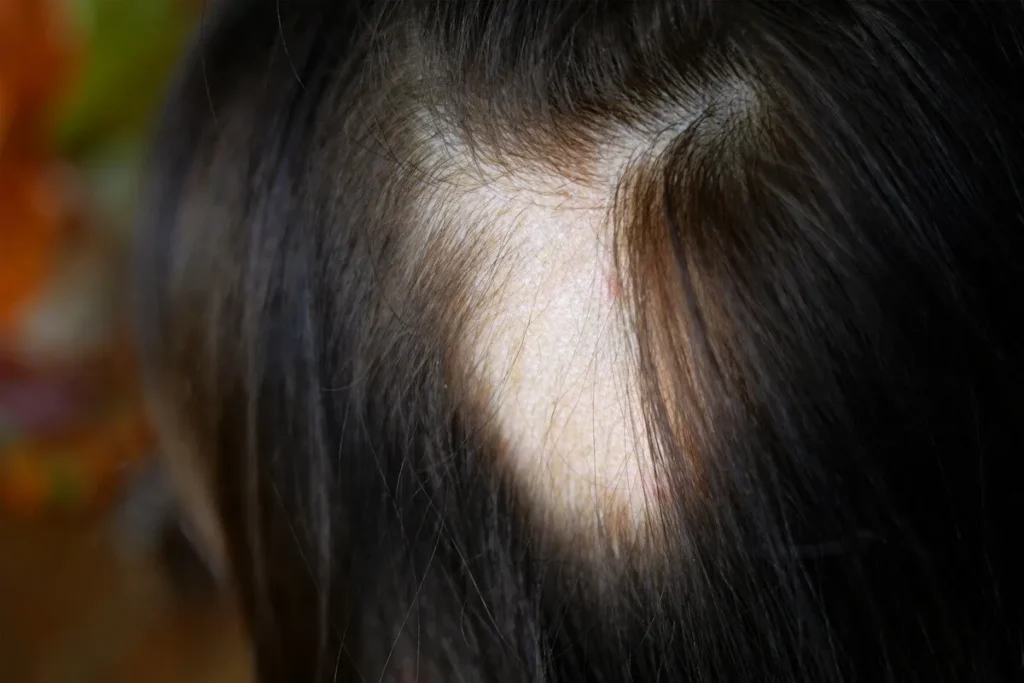
- Alopesi Areata – an autoimmune condition causing round patches of hair loss.
- Traction Alopecia – results from chronic pulling or tight hairstyles.
- Telogen Effluvium – a stress‑related shedding where many hairs enter the telogen phase simultaneously.
| Type | Primary Cause | Typical Pattern | Natural Focus |
|---|---|---|---|
| Androgenetic | Hormonal (DHT) | Receding hairline, crown thinning | Hormone‑balancing diet, scalp massage |
| Alopesi Areata | Autoimmune | Round patches | Immune‑modulating herbs, stress reduction |
| Traction | Mechanical stress | Fringe or temple loss | Gentle styling, scalp care |
| Telogen Effluvium | Physical/psychological stress | Diffuse shedding | Nutrition, sleep, stress management |
Understanding the specific type you’re facing helps you choose the most effective natural approach. While some forms, like telogen effluvium, often resolve with lifestyle adjustments, others may require a combined strategy of diet, topical herbs, and, when necessary, professional treatment.
Lifestyle Changes That Support Hair Regrowth
One of the most powerful ways to answer the question of how to reverse alopecia naturally is by optimizing daily habits that influence hair follicle health. Your body’s ability to grow hair depends heavily on nutrient availability, hormonal balance, and stress levels.
Nutrition and Diet
Hair is primarily made of keratin, a protein that requires a steady supply of amino acids, vitamins, and minerals. Deficiencies in key nutrients can stall the anagen phase and accelerate shedding.
- Protein – lean meats, legumes, quinoa.
- Iron – spinach, lentils, pumpkin seeds.
- Zinc – oysters, chickpeas, nuts.
- D Vitamini – sunlight exposure, fortified dairy.
- Biotin (B7) – eggs, almonds, sweet potatoes.
- Omega‑3 fatty acids – salmon, flaxseed oil, walnuts.
| Nutrient | Key Food Sources | Hair Benefit |
|---|---|---|
| Iron | Spinach, red meat | Prevents iron‑deficiency shedding |
| Zinc | Pumpkin seeds, beans | Supports follicle repair |
| Biotin | Eggs, nuts | Strengthens keratin structure |
| Omega‑3 | Salmon, chia seeds | Reduces inflammation, improves scalp circulation |
Incorporating these foods into a balanced diet not only promotes hair growth but also enhances overall vitality. For those with restrictive diets, high‑quality supplements can fill gaps, but it’s best to consult a healthcare professional before starting any regimen.
Stress Management
Chronic stress triggers the release of cortisol, a hormone that can push hair follicles into the telogen phase, leading to telogen effluvium. Techniques such as mindfulness meditation, regular aerobic exercise, and adequate sleep (7‑9 hours) are proven to lower cortisol levels.
Simple daily practices—like a 10‑minute breathing exercise before bedtime or a short walk during lunch—can make a measurable difference in hair‑loss outcomes.
Natural Topical Treatments and Herbs
Topical applications deliver active compounds directly to the scalp, where they can stimulate follicles and improve circulation. When exploring how to reverse alopecia naturally, many turn to essential oils, plant extracts, and herbal rinses that have been used for centuries.
Essential Oils
Research indicates that certain essential oils possess anti‑inflammatory and vasodilatory properties. The most studied include:
- Rosemary oil – boosts micro‑circulation, comparable to minoxidil in early trials.
- Peppermint oil – stimulates hair follicles via the TRPM8 channel.
- Lavender oil – antimicrobial and soothing, promotes a healthy scalp environment.
To use, dilute 3‑5 drops of essential oil in 1 ounce of carrier oil (e.g., jojoba or coconut) and massage into the scalp 2‑3 times per week. Always perform a patch test first to avoid irritation.
Plant Extracts and Herbs
Herbal remedies provide a wealth of bioactive compounds that can modulate inflammation and support keratin production.
| Herb | Active Compound(s) | Suggested Use |
|---|---|---|
| Saw Palmetto | Beta‑sitosterol | Oral supplement 320 mg daily to inhibit DHT conversion |
| Green Tea Extract | Epigallocatechin‑Gallate (EGCG) | Topical serum or tea rinse 2‑3 times weekly |
| Aloe Vera | Aloin, polysaccharides | Gel applied nightly for soothing and moisture |
| Ginseng | Ginsenosides | Capsules or scalp mask to enhance blood flow |
Combining these herbs with a consistent scalp‑care routine can create a synergistic environment that encourages follicles to re‑enter the growth phase.
Scalp Care Practices for Optimal Growth
Even with the right nutrients and herbs, the scalp must be kept clean, hydrated, and well‑massaged to maximize hair‑growth potential. Below are practical steps that answer the core question of natural reversal.
Scalp Massage
Gentle massage for 5‑10 minutes daily increases blood flow, delivering oxygen and nutrients to hair follicles. Use fingertips in circular motions, or a silicone scalp‑massage brush for a more uniform stimulus.
Gentle Cleansing
Harsh shampoos can strip natural oils, leading to dryness and inflammation. Choose sulfate‑free, pH‑balanced shampoos that contain mild surfactants and, if possible, added botanicals like tea tree or chamomile.
- Wash with lukewarm water, not hot.
- Limit washing to 2‑3 times per week to preserve sebum.
- Follow with a lightweight conditioner focusing on the mid‑lengths.
DIY Scalp Rinse
A weekly rinse of cooled green tea or apple‑cider‑vine (diluted 1:3 with water) can balance scalp pH and provide antioxidant benefits.
Consistency is key: regular scalp care combined with the nutritional and herbal strategies above creates a multi‑layered defense against hair loss.
Ne Zaman Profesyonel Yardım Alınmalı?
Natural methods can be remarkably effective, especially in the early stages of hair loss. However, certain situations warrant a consultation with a specialist:
- Rapid, patchy loss suggestive of alopecia areata.
- Persistent shedding despite 6‑12 months of lifestyle changes.
- Visible scalp inflammation, sores, or infection.
- Family history of early‑onset androgenetic alopecia.
Professional evaluation may include scalp analysis, blood work, or advanced imaging to pinpoint hormonal or autoimmune factors. In many cases, combining medical treatments—such as platelet‑rich plasma (PRP) or minimally invasive transplants—with the natural regimen described above yields the fastest, most lasting results.
Why Choose Gold City Hair
Gold City Hair has been a trusted hair‑restoration center in Turkey since 2017, offering personalized FUE, DHI, and eyebrow/beard transplants. Our team blends cutting‑edge surgical expertise with a commitment to transparent communication, ensuring each patient receives a tailored plan that respects both aesthetic goals and overall well‑being. Whether you opt for a natural regimen or a surgical solution, Gold City Hair provides the professional guidance needed to achieve lasting confidence.
Ready to take the next step toward fuller, healthier hair? Contact Gold City Hair today to schedule a personalized consultation and discover the most effective natural and clinical options for your unique needs.
Empower your confidence—let us help you restore your hair and your smile.
SSS
What are the main types of alopecia and how do they differ?
Alopecia includes androgenetic, alopecia areata, traction, and telogen effluvium, each with distinct causes and patterns of hair loss.
Which nutrients are most important for natural hair regrowth?
Protein, iron, zinc, vitamin D, biotin, and omega‑3 fatty acids are key for supporting hair follicle health and growth.
How can essential oils be used to promote hair growth safely?
Dilute 3‑5 drops of rosemary, peppermint, or lavender oil in a carrier oil and massage into the scalp 2‑3 times weekly.
What lifestyle changes can help reverse alopecia naturally?
Adopt a nutrient‑rich diet, manage stress, get adequate sleep, and practice regular scalp massage and gentle cleansing.
When should someone with hair loss seek professional medical advice?
If hair loss is rapid, patchy, or accompanied by pain, scalp inflammation, or other symptoms, a dermatologist should be consulted.
How does stress affect hair loss and what can be done to mitigate it?
Stress raises cortisol, pushing hair follicles into the telogen phase; managing stress through relaxation techniques and lifestyle balance can reduce shedding.





