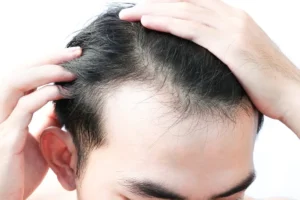
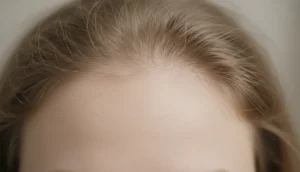
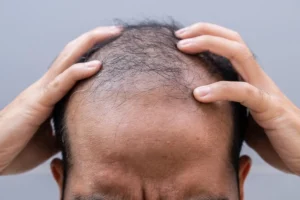
Experiencing hair loss during pregnancy can feel unsettling, especially when you’re already navigating the many changes of expecting a baby. This article explains how to treat hair loss during pregnancy safely, covering the underlying hormonal shifts, nutritional support, and gentle treatment options that protect both you and your developing child.
Up to 40% of pregnant women notice increased shedding, a condition often linked to the surge and subsequent drop of estrogen levels. Understanding why this happens is the first step toward effective, pregnancy‑friendly care.
We’ll explore practical strategies—ranging from diet tweaks to dermatologist‑approved topical solutions—so you can maintain confidence and healthy hair throughout your pregnancy journey and beyond.
Understanding Hormonal Changes and Hair Loss in Pregnancy
During pregnancy, the body experiences a dramatic rise in estrogen, which prolongs the growth phase of hair follicles. While this can initially make hair appear thicker, the rapid hormonal swing after delivery often triggers a noticeable shedding phase.
Key points to remember:
- Estrogen prolongs the anagen (growth) phase, reducing daily hair fall.
- After birth, estrogen levels drop, pushing many hairs into the telogen (resting) phase.
- This shift can lead to post‑pregnancy hair loss, typically peaking around three to four months postpartum.
Recognizing that this pattern is normal helps reduce anxiety and guides appropriate care. However, certain factors can exacerbate shedding, such as iron deficiency, thyroid imbalance, or high stress levels.
| Hormonal Phase | Effect on Hair | Typical Timing |
|---|---|---|
| First Trimester (High Estrogen) | Reduced shedding, hair appears fuller | Weeks 1‑12 |
| Third Trimester (Plateau) | Stable hair growth, occasional mild shedding | Weeks 28‑40 |
| Post‑Delivery (Estrogen Drop) | Increased shedding, often called “telogen effluvium” | Weeks 12‑24 postpartum |

Nutrition and Lifestyle Strategies to Support Hair Health
Optimal nutrition is a cornerstone for anyone looking to treat hair loss during pregnancy. Certain vitamins and minerals directly influence follicle strength and growth cycles.
Include these nutrient‑rich foods in your daily meals:
- Iron: Lean red meat, lentils, spinach – combats iron‑deficiency anemia, a common cause of hair thinning in pregnant women.
- Protein: Eggs, Greek yogurt, quinoa – provides the building blocks for keratin, the protein that makes up hair.
- Omega‑3 fatty acids: Salmon, walnuts, chia seeds – help reduce inflammation and support scalp health.
- Zinc: Pumpkin seeds, chickpeas – essential for DNA synthesis in hair follicles.
- Biotin (Vitamin B7): Almonds, sweet potatoes – promotes stronger hair shafts.
In addition to diet, lifestyle habits such as gentle hair handling, avoiding tight hairstyles, and managing stress through prenatal yoga or meditation can significantly reduce mechanical breakage and hormonal stressors.
Hydration also plays a subtle yet vital role; aim for at least 8–10 glasses of water daily to keep scalp cells moisturized.
Safe Topical and Medical Options During Pregnancy
When seeking to treat hair loss during pregnancy, safety for the fetus is the top priority. Many over‑the‑counter treatments contain ingredients that are not recommended for expectant mothers.
Below is a quick guide to safe versus unsafe options:
| Product Type | Pregnancy Safety | Typical Use |
|---|---|---|
| Gentle sulfate‑free shampoo | Safe | Daily cleansing, reduces scalp irritation |
| Minoxidil (Rogaine) | Not recommended | Topical vasodilator, limited data on fetal exposure |
| Prescription prenatal vitamins with iron & biotin | Safe (under doctor’s guidance) | Supports overall hair health |
| Essential oil blends (e.g., rosemary, peppermint) | Use with caution – dilute properly | Scalp massage to improve circulation |
Most dermatologists recommend focusing on gentle scalp care, such as using a soft‑bristle brush, avoiding heat styling, and opting for a mild, pH‑balanced shampoo. If you experience severe shedding, consult your obstetrician before considering any prescription‑only treatments.
Non‑pharmacologic methods, like regular scalp massage with a few drops of diluted rosemary oil, have shown promise in stimulating blood flow without posing risk to the baby.
Post‑Pregnancy Care: Managing Hair Regrowth After Delivery
After childbirth, many women notice a sudden increase in hair shedding, commonly referred to as postpartum hair loss. This phase is usually temporary, but proactive care can accelerate the return to a fuller appearance.
Key strategies for supporting regrowth include:
- Continue prenatal vitamins for at least three months postpartum, as they supply essential nutrients for hair rebuilding.
- Introduce a biotin supplement (under medical advice) to strengthen new hair shafts.
- Maintain a balanced diet rich in protein and omega‑3s to fuel follicle activity.
- Schedule a gentle scalp exfoliation once a month to remove dead skin cells and promote circulation.
- Consider low‑level laser therapy (LLLT) devices that are FDA‑cleared for post‑partum use, after discussing with your healthcare provider.
Patience is crucial; most women see noticeable improvement within six to twelve months as hormone levels stabilize. If shedding persists beyond a year, it may be time to explore professional hair restoration options.
When to Seek Professional Help and What to Expect from a Hair Restoration Consultation
While most cases of hair loss during pregnancy resolve naturally, certain signs indicate the need for professional evaluation:
- Sudden, extensive bald patches
- Persistent shedding beyond 12 months postpartum
- Accompanying scalp symptoms such as itching, redness, or pain
- Family history of early‑onset female pattern hair loss
A qualified dermatologist or trichologist will begin with a thorough medical history and may order blood tests to rule out thyroid disorders, anemia, or autoimmune conditions.
During the consultation, you can expect:
- Scalp examination using a dermatoscope to assess follicle density.
- Discussion of safe treatment pathways, including topical serums, low‑level laser therapy, and, when appropriate, future hair transplant planning (post‑childbearing).
- A personalized care plan that aligns with your lifestyle, breastfeeding status, and long‑term hair goals.
Choosing a reputable clinic ensures you receive evidence‑based recommendations and a clear roadmap for regaining confidence once your body is ready for more advanced interventions.
Why Choose Gold City Hair
At Gold City Saç, we combine years of expertise in hair restoration with a compassionate, personalized approach. Since 2017, our clinic in Turkey has delivered safe, effective treatments for women worldwide, including those navigating hair changes during and after pregnancy. Our team prioritizes transparent communication, ensuring you understand every step of your care plan while maintaining the highest standards of safety and quality.
Ready to regain confidence in your hair? Contact Gold City Hair today for a personalized consultation and discover safe, effective solutions tailored to your unique needs.
SSS
What causes hair loss during pregnancy?
Hormonal fluctuations, especially the rise and later drop of estrogen, disrupt the hair growth cycle, leading to increased shedding.
How can I safely treat hair loss while pregnant?
Focus on gentle scalp care, a nutrient‑rich diet, safe shampoos, and doctor‑approved supplements.
Which nutrients are important for preventing hair loss during pregnancy?
Iron, protein, omega‑3 fatty acids, zinc, and biotin are key for healthy hair growth.
Are over‑the‑counter hair loss products safe to use during pregnancy?
Most are not recommended; minoxidil, for example, should be avoided.
When does postpartum hair loss typically occur and how long does it last?
It usually starts 2–4 months after delivery and can last 6–12 months.
When should I see a dermatologist for hair loss during or after pregnancy?
If you notice large bald patches, shedding beyond 12 months postpartum, or scalp symptoms like itching or pain.