Understanding how to tell if you have a receding hairline is the first step toward taking control of your hair health. A receding hairline often begins subtly, with a slight thinning at the temples or a widening of the forehead, yet many people overlook these early clues until the change becomes more pronounced. Recognizing the pattern early can open the door to non‑surgical interventions, lifestyle adjustments, and, when needed, advanced restoration techniques.
According to recent dermatology surveys, nearly 40 % of men and 20 % of women notice a shift in their hairline before the age of 30. This statistic underscores the importance of regular self‑assessment and professional check‑ups. In this article we will break down the visual cues, underlying causes, and practical steps you can take once you realize that your hairline is moving back.
We’ll explore how to differentiate normal hair shedding from true recession, discuss the role of genetics, hormones, and external factors, and outline the most effective treatment pathways—including the cutting‑edge procedures offered at Gold City Hair. By the end, you’ll have a clear roadmap for answering the question, “how to tell if you have a receding hairline,” and know exactly what actions to consider next.
Recognizing Early Signs of a Receding Hairline
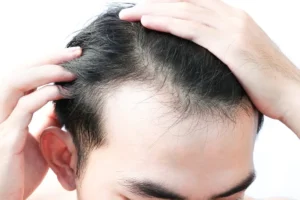
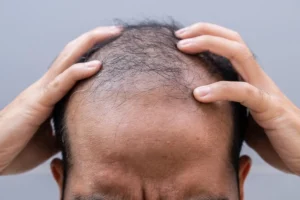
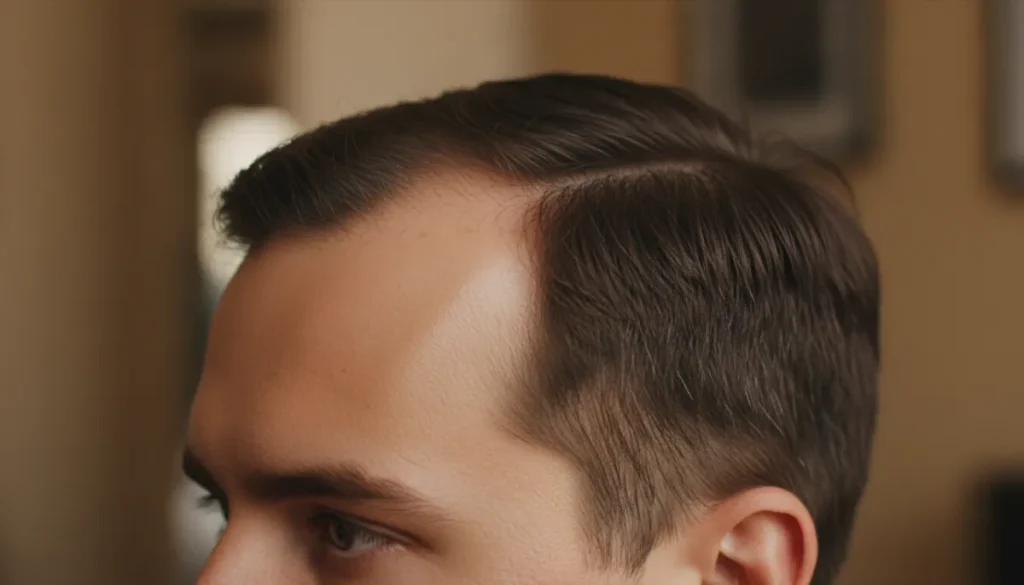
The earliest indicators of a receding hairline are often visual rather than tactile. Look for the following signs during a regular mirror check:
- A gradual widening of the forehead, especially at the temples.
- Formation of an “M” shape as the hairline retreats.
- Noticeable thinning along the hairline while the crown remains dense.
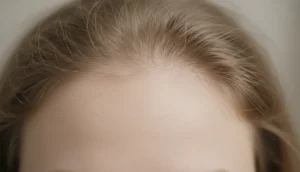
- Increased visibility of scalp skin, particularly under bright lighting.
These observations answer the core question of how to tell if you have a receding hairline for most individuals. However, it helps to compare normal patterns with early recession:
| Feature | Normal Hairline | Early Receding Hairline |
|---|---|---|
| Forehead Width | Consistent, no significant change | Gradual increase of 0.5‑1 cm per year |
| Temple Density | Full, uniform hair coverage | Noticeable thinning or bald spots |
| Scalp Visibility | Rarely visible | Visible under natural light |
When you notice two or more of these markers, it’s a strong indication that your hairline may be receding. Paying attention to these subtle shifts answers the question “how to tell if you have a receding hairline” before the condition progresses.
Common Causes Behind Hairline Changes
Understanding how to tell if you have a receding hairline also involves knowing why it happens. The most frequent culprits include genetic predisposition, hormonal shifts, and environmental stressors.
Genetic Factors: Male and Female Pattern Baldness
Male pattern baldness, medically known as androgenetic alopecia, accounts for the majority of receding hairlines in men. It is driven by the hormone dihydrotestosterone (DHT), which miniaturizes hair follicles over time. Women can also experience a similar pattern, though it often presents as diffuse thinning rather than a sharp recession.
Hormonal Influences
Beyond DHT, thyroid imbalances, pregnancy, and menopause can trigger hairline changes. These hormonal fluctuations may temporarily accelerate shedding, making it harder to distinguish between normal hair fall and true recession.
Dış Faktörler
Traction alopecia from tight hairstyles, harsh chemical treatments, and chronic stress can all contribute to a receding hairline. Even certain medications, such as anticoagulants or high‑dose retinoids, may accelerate hair loss.
By matching these causes with the visual signs discussed earlier, you can more confidently answer the question, “how to tell if you have a receding hairline,” and decide whether lifestyle changes or medical intervention are needed.
When to Seek Professional Evaluation
If you’re still unsure about how to tell if you have a receding hairline, a consultation with a hair restoration specialist can provide clarity. Early professional assessment is especially important when you notice rapid progression or accompanying symptoms such as itching, redness, or sudden patches.
Red Flags Requiring Immediate Attention
- Rapid widening of the forehead within months.
- Patchy bald spots that appear suddenly.
- Scalp inflammation, pain, or persistent itching.
- Significant hair shedding exceeding 100 hairs per day.
Below is a quick reference table to help you decide when to book an appointment:
| Observation | Recommended Action |
|---|---|
| Minor thinning at temples (once a year) | Self‑monitor, maintain healthy scalp care |
| Visible recession over 0.5 cm in 6 months | Schedule a dermatology or hair‑clinic consultation |
| Sudden bald patches or scalp irritation | Urgent medical evaluation to rule out alopecia areata or infection |
Professional evaluation typically includes a scalp examination, medical history review, and possibly a trichoscopic analysis. These steps will confirm whether you are indeed experiencing a receding hairline and will guide the selection of the most appropriate treatment plan.
Treatment Options for a Receding Hairline
Once you have confirmed how to tell if you have a receding hairline, the next step is exploring treatment avenues. Options range from medication to surgical restoration, each suited to different stages of hair loss.
Medical Therapies
- Finasterid – an oral DHT blocker approved for male pattern baldness.
- Minoxidil – a topical solution that stimulates follicular activity.
- Low‑level laser therapy (LLLT) – non‑invasive light treatment to improve blood flow.
Surgical Solutions
Gold City Hair specializes in the following advanced procedures:
- Foliküler Ünite Ekstraksiyonu (FUE) – individual follicles are harvested and transplanted for a natural look.
- Direct Hair Implantation (DHI) – a refined FUE technique using a patented implanter pen for higher graft survival.
- Eyebrow and beard transplants – tailored for patients seeking facial hair restoration alongside scalp work.
Choosing the Right Path
Factors influencing treatment choice include the extent of recession, donor hair availability, budget, and personal preference. A thorough consultation will help you develop a personalized plan that aligns with your goals.
Lifestyle Tips to Slow Down Hairline Recession
Even after learning how to tell if you have a receding hairline, everyday habits can influence the speed of progression. Incorporating the following practices may help preserve existing hair and support new growth.
Nutrition and Supplements
- Increase intake of biotin‑rich foods (eggs, nuts, legumes).
- Ensure adequate iron, zinc, and vitamin D levels.
- Consider a marine‑based omega‑3 supplement for scalp health.
Scalp Care Routine
- Use a gentle, sulfate‑free shampoo to avoid follicle irritation.
- Massage the scalp for 5‑10 minutes daily to boost circulation.
- Avoid excessive heat styling and tight hairstyles that cause traction.
Stress Management
Chronic stress elevates cortisol, which can exacerbate hair shedding. Techniques such as mindfulness meditation, regular exercise, and adequate sleep (7‑8 hours) have been shown to mitigate stress‑related hair loss.
By integrating these lifestyle adjustments, you create an environment that supports hair resilience, potentially slowing the rate of recession and enhancing the results of any medical or surgical treatment you choose.
Why Choose Gold City Hair
Gold City Hair has been delivering personalized hair restoration solutions in Turkey since 2017. Our clinic combines the latest FUE and DHI technologies with a transparent, patient‑focused approach. Every treatment plan is tailored to the individual’s unique hair pattern, scalp condition, and aesthetic goals, ensuring natural‑looking results and lasting confidence.
Our team of experienced surgeons and certified specialists maintains strict safety standards and provides comprehensive after‑care support. By choosing Gold City Hair, you benefit from a proven track record, state‑of‑the‑art facilities, and a commitment to ethical, high‑quality care.
Ready to take the next step? Contact Gold City Hair today for a free, no‑obligation consultation and discover the most effective solution for your receding hairline.
Regain confidence, restore your natural look, and start your journey toward healthier hair now.
SSS
How can I tell if I have a receding hairline?
Look for a gradual widening of the forehead, thinning at the temples, and increased scalp visibility while the crown stays dense.
What are the early signs of a receding hairline?
Early signs are a slightly wider forehead, thinning temples, an emerging “M” shape, and more scalp showing under light.
What causes a hairline to recede?
Genetics, hormonal shifts (especially DHT), and external factors like stress, traction, and harsh chemicals can cause recession.
When should I see a specialist for hairline recession?
Seek a specialist if you notice rapid widening, sudden bald patches, scalp irritation, or shedding over 100 hairs per day.
What treatment options are available for a receding hairline?
Treatments range from medical therapies like finasteride and minoxidil to surgical options such as FUE and DHI hair transplants.
How can lifestyle changes help slow down hairline recession?
Good nutrition, gentle scalp care, stress management, and avoiding tight hairstyles can reduce the speed of recession.