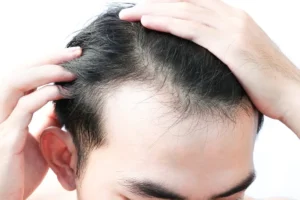
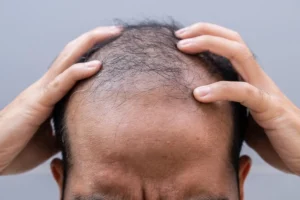
Dealing with an inflamed scalp and thinning hair can feel frustrating, especially when the underlying cause isn’t obvious. This article explains the most common reasons behind scalp inflammation, how it interferes with hair growth, and what practical steps you can take to restore a healthy scalp environment. Did you know that up to 30% of people experiencing hair loss also report persistent scalp irritation? By recognizing the signs early and addressing them with targeted care, you can prevent further thinning and improve overall hair vitality.
We’ll explore medical conditions such as folliculitis, seborrheic dermatitis, and scalp fungus, as well as lifestyle factors that exacerbate inflammation. You’ll also learn about the hair growth cycle, why inflammation pushes hairs into the shedding phase, and which treatments have proven effective. Whether you’re considering a non‑surgical approach or exploring hair transplant options, understanding the link between scalp health and hair density is essential for long‑term success.
Read on to discover actionable insights that can help you calm an inflamed scalp, reduce hair thinning, and regain confidence in your appearance.
Causes of an Inflamed Scalp and Thinning Hair
Several dermatological and environmental factors can trigger an inflamed scalp, leading to noticeable hair thinning. Below are the most frequent culprits:
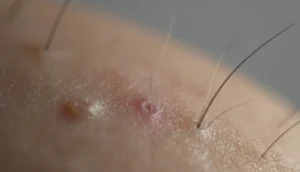
- Folikülit – bacterial infection of hair follicles that creates red, pimple‑like bumps.
- Seborrheic dermatitis – oily, flaky patches often mistaken for dandruff.
- Scalp fungus (tinea capitis) – causes itching, redness, and hair breakage.
- Allergic reactions to hair products or harsh chemicals.
- Hormonal imbalances, such as those seen in androgenetic alopecia.
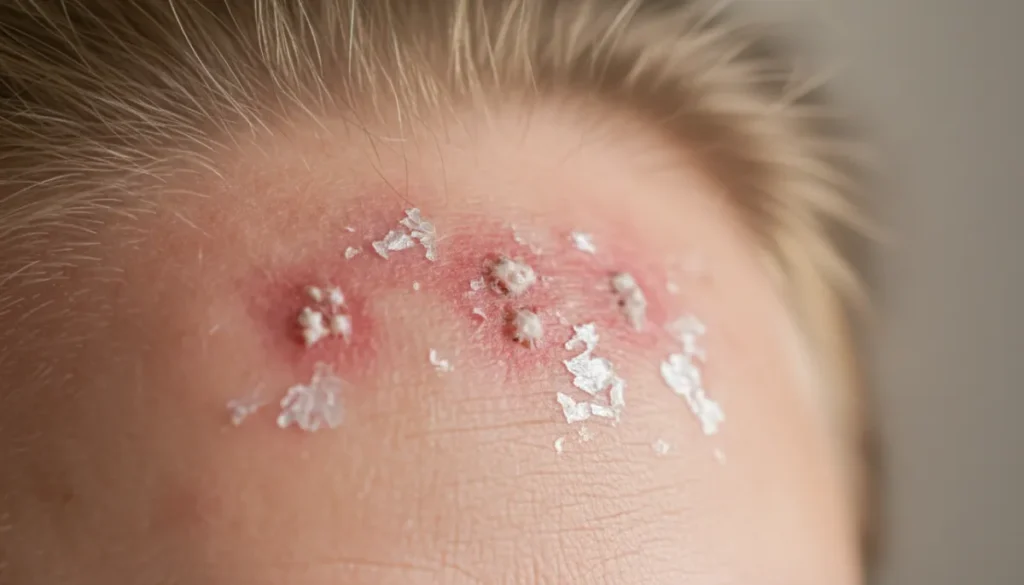
Understanding each condition helps you choose the right treatment path. The table compares key features of the most common scalp disorders associated with hair thinning.
| Condition | Typical Symptoms | Impact on Hair |
|---|---|---|
| Folikülit | Red bumps, pus, tenderness | Localized thinning, breakage |
| Seboreik Dermatit | Greasy flakes, itching, redness | Diffuse thinning, weakened shafts |
| Scalp Fungus | Ring‑shaped lesions, itching | Patchy hair loss, broken hairs |
| Allergic Reaction | Burning, swelling, rash | Temporary shedding, reduced growth |
How Inflammation Disrupts the Hair Growth Cycle
Hair growth follows a predictable cycle: anagen (growth), catagen (transition), and telogen (rest). Inflammation can push follicles prematurely into the telogen phase, a condition known as telogen effluvium. When the scalp is irritated, cytokines and inflammatory mediators interfere with the signaling that maintains anagen, causing more hairs to shed than usual.
Telogen Effluvium and Stress‑Related Shedding
Acute stress, illness, or a sudden hormonal shift can trigger telogen effluvium, especially when combined with an inflamed scalp. The result is diffuse thinning that often appears a few months after the triggering event. While the condition is usually reversible, addressing the underlying inflammation speeds up recovery.
Androgenetic Alopecia and Inflammatory Amplification
In individuals with androgenetic alopecia (male or female pattern baldness), chronic inflammation can worsen miniaturization of hair follicles. The presence of folliculitis or seborrheic dermatitis accelerates the progression from mild thinning to visible bald spots.
Managing inflammation is therefore a crucial adjunct to any hair loss therapy, whether you’re using minoxidil, finasteride, or planning a hair transplant.
Effective Treatments and Home Care Strategies
Addressing an inflamed scalp and thinning hair requires a two‑pronged approach: medical intervention to control the underlying condition and daily care to support a healthy environment.
Medical Options
- Topical antibiotics or antiseptics for folliculitis.
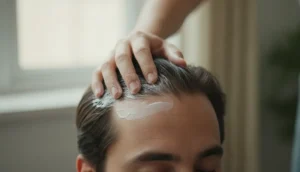
- Antifungal shampoos (ketoconazole) for scalp fungus.
- Corticosteroid creams or oral steroids for severe seborrheic dermatitis.
- Prescription anti‑inflammatory agents (e.g., doxycycline) that also reduce bacterial load.
Home Care Practices
- Gentle, sulfate‑free shampoos used twice daily to keep the scalp clean without stripping natural oils.
- Scalp massage with essential‑oil blends (tea tree, rosemary) to improve circulation.
- Avoiding tight hairstyles that cause friction and micro‑trauma.
- Balanced diet rich in zinc, biotin, and omega‑3 fatty acids to support follicle health.
Combining these strategies can reduce redness, soothe itching, and create a more favorable setting for new hair growth. If you notice persistent “bumps on scalp” or “red patches on scalp” despite home care, it’s time to consult a specialist.
When to Seek Professional Help: Hair Transplant Considerations
If inflammation persists or hair thinning progresses despite optimal care, professional evaluation becomes essential. A qualified clinic can assess whether the scalp is ready for procedures such as Follicular Unit Extraction (FUE) or Direct Hair Implantation (DHI). These techniques require a healthy, non‑inflamed donor area to ensure graft survival.
Evaluation Checklist
- Clinical examination for active infection or severe dermatitis.
- Scalp photography and trichoscopy to map thinning zones.
- Blood tests to rule out hormonal or nutritional deficiencies.
- Discussion of medical history, including prior use of steroids or antibiotics.
Only after the inflammation is controlled will the surgeon proceed with a transplant, maximizing graft uptake and long‑term results.
| Condition | Transplant Suitability | Recommended Preparation |
|---|---|---|
| Active Folliculitis | Not suitable | Complete antibiotic course, clear skin |
| Controlled Seborrheic Dermatitis | Potentially suitable | Topical steroids, moisturized scalp |
| Scalp Fungus Resolved | Suitable | Antifungal treatment, negative culture |
Prevention Tips for Long‑Term Scalp Health
Maintaining a healthy scalp is an ongoing commitment. Simple preventive measures can dramatically reduce the risk of future inflammation and hair thinning.
Lifestyle Adjustments
- Manage stress through meditation, exercise, or counseling – chronic stress elevates cortisol, which can aggravate scalp inflammation.
- Stay hydrated; adequate water intake supports skin barrier function.
- Limit exposure to harsh environmental pollutants and UV radiation by wearing hats or using protective scalp sprays.
Hair Care Best Practices
- Choose hypoallergenic, fragrance‑free hair products.
- Rinse thoroughly to avoid residue buildup that can trigger irritation.
- Avoid excessive heat styling; high temperatures can damage the cuticle and inflame the scalp.
By integrating these habits into your daily routine, you create a resilient scalp environment that supports robust hair growth and minimizes the chances of experiencing an inflamed scalp and thinning hair again.
Why Choose Gold City Hair for Your Hair Restoration
Gold City Hair has been delivering personalized hair restoration solutions in Turkey since 2017. Our team combines advanced FUE and DHI techniques with a compassionate, transparent approach, ensuring each patient receives a treatment plan tailored to their unique scalp condition. Whether you are dealing with an inflamed scalp, thinning hair, or both, our specialists assess the root causes and recommend the most effective strategy—medical management, lifestyle adjustments, or surgical restoration. Trust a clinic that prioritizes safety, expertise, and lasting results.
Ready to restore confidence in your hair? Contact Gold City Hair today for a personalized consultation and take the first step toward a healthier scalp and fuller hair.
Our experts will evaluate your condition, recommend targeted treatments, and guide you through every stage of the journey.
SSS
What are the common causes of an inflamed scalp and thinning hair?
Common causes include folliculitis, seborrheic dermatitis, scalp fungus, allergic reactions to hair products, and hormonal imbalances.
How does scalp inflammation affect the hair growth cycle?
Inflammation pushes hair follicles into the telogen (resting) phase, leading to increased shedding and thinning.
What medical treatments are available for an inflamed scalp?
Treatments include topical antibiotics, antifungal shampoos, corticosteroid creams, oral steroids, and prescription anti‑inflammatory agents.
Which home‑care practices help reduce scalp inflammation and hair thinning?
Gentle sulfate‑free shampoos, scalp massage with essential oils, stress management, balanced nutrition, and avoiding tight hairstyles are key.
When should I consider a hair transplant if I have an inflamed scalp?
Consider a transplant only after inflammation is fully controlled and the scalp is clear of infection or severe dermatitis.