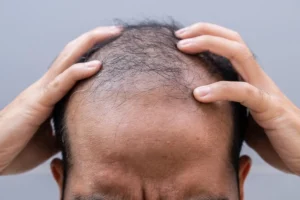
When it comes to finding a reliable injection for baldness, many patients turn to modern regenerative treatments that promise natural hair regrowth. Hair loss affects millions worldwide, and the desire for a minimally invasive solution has driven the popularity of injectable therapies. In 2023, over 30 % of individuals experiencing early‑stage alopecia reported considering platelet‑rich plasma (PRP) as a first‑line option.
This article explores the science behind injectable hair restoration, compares it with other treatment modalities, and outlines what you can expect from a procedure performed at a reputable clinic. Whether you are curious about PRP, corticosteroid shots, or emerging biologic injections, understanding the process helps you make an informed decision and set realistic expectations.
We will also highlight why choosing a specialist center in Turkey, such as Gold City Hair, can provide high‑quality care at an accessible price, while ensuring safety and personalized attention throughout your journey.
How PRP Injections Work for Hair Restoration
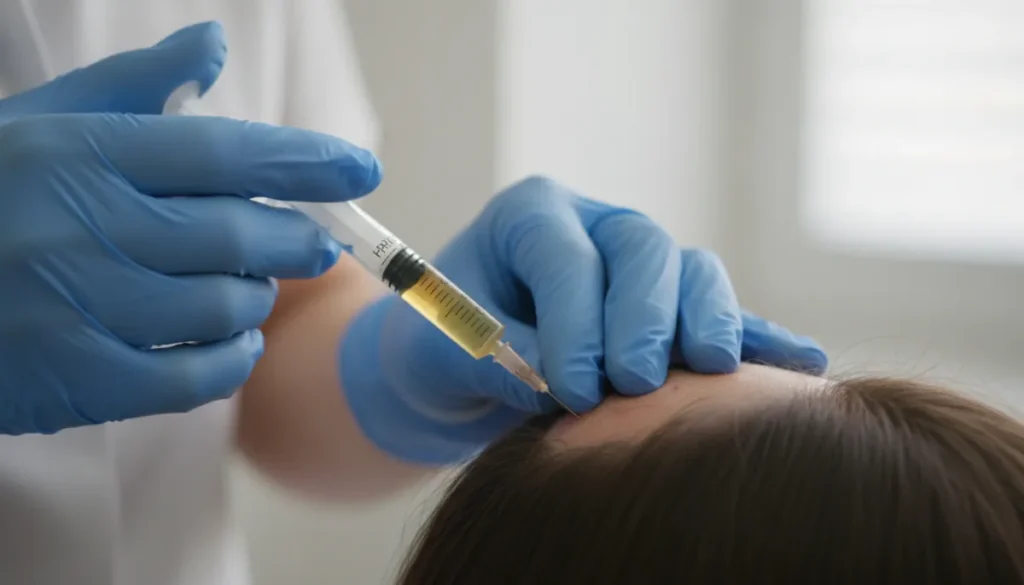
Platelet‑Rich Plasma (PRP) therapy harnesses the body’s own healing mechanisms to stimulate dormant hair follicles. A small amount of your blood is drawn, spun in a centrifuge to concentrate platelets, and then re‑injected into the scalp where thinning occurs. The growth factors released from the platelets—such as PDGF, VEGF, and TGF‑β—activate stem cells, improve blood supply, and extend the anagen (growth) phase of the hair cycle.
Key steps in a typical PRP session include:
- Blood collection (usually 10–20 ml).
- Centrifugation to separate platelet‑rich plasma from red blood cells.
- Preparation of the scalp with a topical anesthetic.
- Multiple micro‑injections using a fine‑gauge needle.
Most clinics recommend a series of three to four sessions spaced 4–6 weeks apart, followed by maintenance injections every 4–6 months. Clinical studies show an average increase of 30 % in hair density after six months of consistent treatment, especially in patients with androgenetic alopecia.
Benefits and Limitations of Injection‑Based Hair Loss Treatments
Injectable solutions offer several advantages over oral medications or surgical transplants. They are minimally invasive, require little downtime, and use autologous material, reducing the risk of allergic reactions. Additionally, PRP can be combined with other modalities—such as low‑level laser therapy or topical minoxidil—to enhance overall outcomes.
However, there are important limitations to consider:
| Aspect | Advantage | Limitation |
|---|---|---|
| Effectiveness | Stimulates natural hair growth, especially in early‑stage loss. | Results vary; not all patients achieve significant regrowth. |
| Safety | Uses your own blood, minimal risk of infection. | Potential for mild bruising or temporary soreness. |
| Cost | Less expensive than a full‑scale hair transplant. | Multiple sessions required, cumulative cost can increase. |
| Convenience | Outpatient procedure; no anesthesia needed. | Requires regular follow‑up appointments. |
Patients seeking an injection for baldness should discuss their hair loss pattern, medical history, and expectations with a qualified specialist. While PRP is safe for most, individuals with platelet disorders, active infections, or certain chronic illnesses may need alternative approaches.
Comparing PRP with Other Baldness Therapies
When evaluating an injection for baldness, it helps to understand how PRP stacks up against other popular options such as finasteride, minoxidil, and follicular unit extraction (FUE) transplants.
Oral medications like finasteride block the conversion of testosterone to dihydrotestosterone (DHT), slowing hair loss but often requiring lifelong use and monitoring for side effects. Topical solutions such as minoxidil increase blood flow to the scalp but may cause scalp irritation.
In contrast, PRP delivers concentrated growth factors directly to the follicle environment, potentially revitalizing dormant hairs without systemic exposure. Surgical transplants provide permanent, dense coverage but involve scalp incisions, graft harvesting, and a longer recovery period.
Below is a quick reference to guide your decision:
- PRP Injection: Non‑surgical, natural, moderate results, requires multiple sessions.
- Finasterid: Oral, effective for many men, possible hormonal side effects.
- Minoxidil: Topical, easy to use, results vary, may cause dermatitis.
- FUE Transplant: Surgical, high density, permanent, higher cost and downtime.
Choosing the right approach depends on the stage of hair loss, budget, and personal preference. Many clinicians recommend a combination—starting with PRP to assess responsiveness, then adding medication or surgery if needed.
What to Expect During an Injection Procedure in Turkey
Turkey has become a leading destination for hair restoration, offering state‑of‑the‑art clinics, experienced physicians, and competitive pricing. If you schedule an injection for baldness at a reputable center, the typical patient journey includes:
- Pre‑consultation: Virtual or in‑person assessment of medical history, scalp condition, and goals.
- Blood draw: Performed by a certified phlebotomist; the process takes less than five minutes.
- Preparation: The clinic sanitizes the treatment area and applies a topical anesthetic to ensure comfort.
- Injection: Using a fine‑gauge needle, the practitioner distributes PRP across the thinning zones, typically 30–40 micro‑injections per session.
- Post‑procedure care: Patients receive written after‑care instructions and may resume normal activities immediately.
Most patients report only mild redness or tingling that resolves within a day. Clinics in Istanbul, such as Gold City Hair, adhere to international hygiene standards, and many provide accommodation packages for international visitors, simplifying travel logistics.
Aftercare and Results: Maximizing the Effectiveness of Your Treatment
Successful outcomes from an injection for baldness rely not only on the procedure itself but also on diligent aftercare. Patients should follow these guidelines to support hair regrowth:
- Avoid harsh chemicals for at least two weeks—no strong shampoos, dyes, or styling gels.
- Maintain a balanced diet rich in protein, iron, and vitamins A, C, D, and E.
- Stay hydrated to promote optimal blood circulation.
- Limit heat exposure from hot tools or direct sunlight during the first 48 hours.
- Schedule follow‑up sessions as recommended by your specialist, typically every 4–6 months for maintenance.
Visible improvements usually appear 2–3 months after the initial series, with continued thickening over 6–12 months. While some patients achieve a noticeable increase in density, others may experience modest results; managing expectations is essential.
For those seeking a comprehensive plan, combining PRP with a low‑dose finasteride regimen or a topical minoxidil solution can amplify the regenerative effect, creating a synergistic environment for hair follicles to thrive.
Why Choose Gold City Hair for Your Injection Treatment
Gold City Hair has been delivering personalized hair restoration solutions since 2017, combining cutting‑edge technology with a patient‑first philosophy. Our clinic specializes in PRP and other injection‑based therapies, performed by board‑certified dermatologists and hair surgeons trained in the latest protocols. We prioritize transparent communication, detailed treatment plans, and post‑procedure support to ensure you achieve the best possible results. Choosing Gold City Hair means accessing world‑class care at an affordable price, all within a welcoming environment designed for comfort and confidence.
Ready to revitalize your hair with a safe and effective injection for baldness? Contact Gold City Hair today to schedule your personalized consultation and take the first step toward a fuller, healthier look.
SSS
What is PRP therapy for hair loss?
PRP therapy uses your own platelet‑rich plasma to stimulate dormant hair follicles and promote regrowth.
How many PRP sessions are needed for optimal results?
Most clinics recommend three to four initial sessions spaced 4–6 weeks apart, then maintenance every 4–6 months.
What are the benefits of injection‑based hair loss treatments compared to oral medications?
Injectable therapies are minimally invasive, use autologous material, have low systemic side effects, and can be combined with other modalities.
Are there any risks or side effects associated with PRP injections?
PRP is generally safe, with mild bruising, soreness, or temporary redness being the most common side effects.
What should I expect during an injection procedure in Turkey?
A typical visit includes a pre‑consultation, blood draw, scalp preparation, micro‑injections, and brief after‑care instructions.
How should I care for my scalp after PRP treatment?
Avoid harsh chemicals, protect from heat, stay hydrated, maintain a balanced diet, and follow the clinic’s follow‑up schedule.