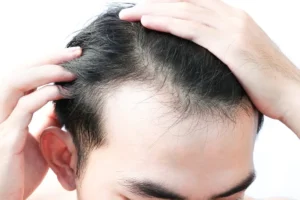
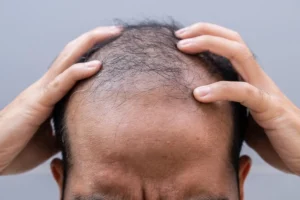
Iron deficiency hair loss early stage female pattern baldness is a common concern for many women who notice thinning strands before a full‑blown pattern emerges. Low iron levels can disrupt the hair growth cycle, leading to increased shedding and a gradual recession of the hairline. Understanding the link between nutrition and hair health is essential because early intervention often prevents permanent loss.
According to dermatological studies, up to 40% of women with early‑stage female pattern baldness also show reduced ferritin, the body’s iron storage protein. This overlap means that a simple blood test can uncover an underlying cause that might otherwise be missed.
In this article we will explore how iron deficiency triggers hair loss, how to recognize the early signs of female pattern baldness, the diagnostic steps you should take, and the most effective treatment pathways—including medical, nutritional, and surgical options offered by Gold City Hair.
How Iron Deficiency Triggers Hair Loss in Women
Iron is a vital component of hemoglobin, which transports oxygen to every cell, including the hair follicle. When iron stores are low, follicles receive less oxygen and nutrients, pushing more hairs into the telogen (resting) phase—a condition known as telogen effluvium. This type of shedding often appears as diffuse thinning across the scalp.
- Reduced ferritin levels (< 30 µg/L) are linked to higher hair‑shed rates.
- Iron deficiency impairs DNA synthesis, slowing the anagen (growth) phase.
- Women are more susceptible due to menstrual blood loss and pregnancy.
Typical symptoms of iron‑related hair loss include:
- Sudden increase in daily hair strands on the pillow or in the shower.
- Noticeable thinning on the crown and frontal scalp.
- General fatigue, brittle nails, and pale skin.
| Ferritin Level | Interpretation | Potential Hair Impact |
|---|---|---|
| > 70 µg/L | Optimal | Normal hair growth cycle |
| 30–70 µg/L | Low‑Normal | Mild shedding possible |
| < 30 µg/L | Deficient | Significant telogen shift, early‑stage thinning |
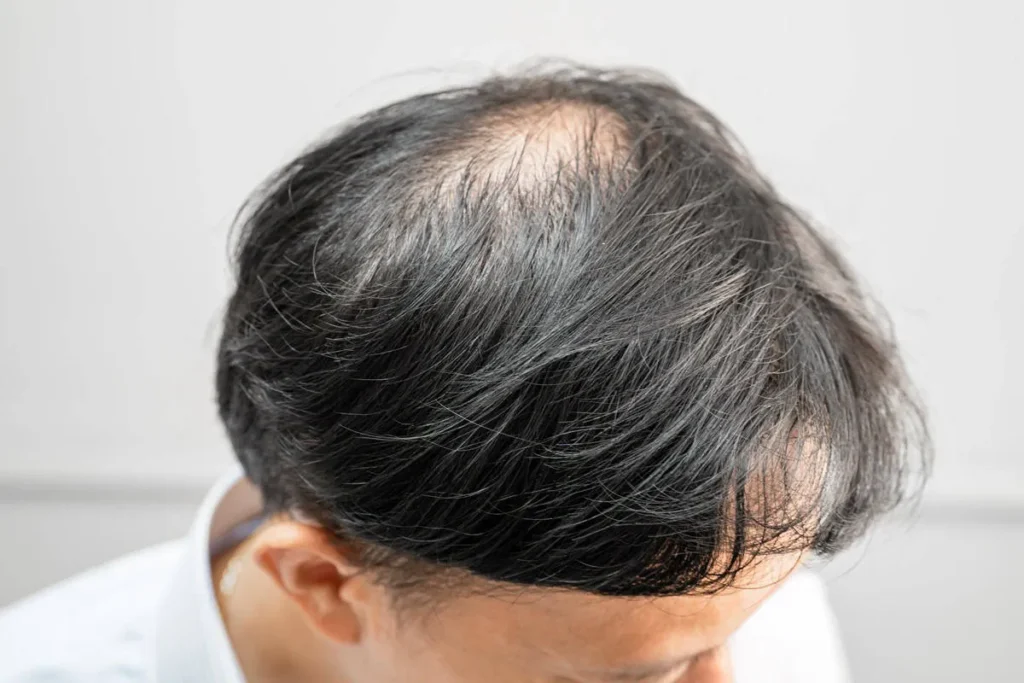
Recognizing Early‑Stage Female Pattern Baldness
Female pattern baldness, medically termed androgenetic alopecia, follows a distinct thinning pattern that usually begins at the crown and widens over time. In the early stage, the hairline often remains intact, making the condition easy to overlook.
Key visual cues include:
- Diffuse thinning on the top of the scalp while the sides stay relatively full.
- Increased scalp visibility when hair is pulled back.
- Reduced hair density measured with a trichometer (less than 80 hairs/cm²).
The Ludwig classification is commonly used to grade severity:
| Stage | Characteristics | Typical Hair Density |
|---|---|---|
| I | Mild thinning, mainly crown | ≈ 80–100 hairs/cm² |
| II | Moderate thinning, visible scalp | ≈ 60–80 hairs/cm² |
| III | Severe thinning, extensive scalp exposure | < 60 hairs/cm² |
When iron deficiency hair loss early stage female pattern baldness is suspected, early detection allows for non‑surgical interventions that can halt or even reverse the process.
Diagnostic Approach: Tests and Evaluations
Accurate diagnosis combines medical history, physical examination, and targeted laboratory tests. Relying solely on visual assessment can miss underlying nutritional deficiencies, especially iron.
- Complete Blood Count (CBC) – screens for anemia.
- Serum Ferritin – the most reliable marker of iron stores.
- Thyroid Panel – rules out thyroid‑related shedding.
- Scalp Trichoscopy – magnified view of follicle health.
Below is a concise overview of the most common tests:
| Test | Purpose | Typical Result Range |
|---|---|---|
| Serum Ferritin | Assess iron storage | 30–300 µg/L (women 30–150 µg/L) |
| Hemoglobin | Detect anemia | 12.0–15.5 g/dL |
| TSH | Check thyroid function | 0.4–4.0 mIU/L |
| D Vitamini | Identify deficiency affecting hair cycle | 20–50 ng/mL |
When test results reveal low ferritin alongside early signs of female pattern baldness, a combined treatment plan targeting both iron deficiency and hormonal factors yields the best outcomes.
Treatment Options: From Nutrition to Transplant
Addressing iron deficiency hair loss early stage female pattern baldness requires a multi‑layered strategy that includes dietary changes, supplementation, medical therapy, and, when appropriate, surgical restoration.
1. Nutritional Interventions
- Increase intake of iron‑rich foods: red meat, lentils, spinach, quinoa.
- Consume vitamin C alongside iron sources to boost absorption.
- Consider a daily iron supplement (e.g., ferrous sulfate 325 mg) under physician guidance.
2. Medical Therapies
- Topical minoxidil 5% solution – stimulates follicular activity.
- Oral anti‑androgens (e.g., spironolactone) for hormonal balance.
- Low‑level laser therapy (LLLT) – non‑invasive light stimulation.
3. Surgical Options
For women who have progressed beyond the reversible stage, hair transplantation offers a permanent solution. Gold City Hair specializes in:
- Foliküler Ünite Ekstraksiyonu (FUE) – removes individual grafts with minimal scarring.
- Direct Hair Implantation (DHI) – implants grafts directly using a Choi pen for precise angle control.
- Eyebrow and beard transplants for comprehensive aesthetic restoration.
Clinical studies show that combining iron repletion with minoxidil can improve graft survival rates by up to 15% compared with minoxidil alone.
Lifestyle and Preventive Measures
Even with optimal medical care, everyday habits influence hair health. Incorporating gentle practices can reinforce the benefits of treatment.
- Use sulfate‑free, pH‑balanced shampoos to reduce scalp irritation.
- Avoid tight hairstyles (e.g., ponytails, braids) that create traction alopecia.
- Manage stress through yoga, meditation, or regular exercise – chronic stress elevates cortisol, which can exacerbate telogen shedding.
- Limit heat styling and chemical processing that weaken hair shafts.
Regular follow‑up appointments allow clinicians to monitor ferritin levels, adjust supplementation, and assess the need for additional interventions as the hair cycle stabilizes.
Why Choose Gold City Hair for Your Hair Restoration Journey
Gold City Hair has been delivering personalized hair restoration solutions in Turkey since 2017. Our clinic combines cutting‑edge FUE and DHI techniques with a comprehensive medical approach that addresses nutritional deficiencies such as iron loss. Every patient receives a transparent consultation, a tailored treatment plan, and ongoing support to ensure lasting confidence.
Ready to stop hair loss at its source? Contact Gold City Hair today for a free, no‑obligation assessment and discover a customized plan that tackles iron deficiency and early‑stage female pattern baldness.
Regain your confidence—schedule your consultation now.
SSS
What is the link between iron deficiency and hair loss in women?
Low iron reduces oxygen delivery to hair follicles, pushing more hairs into the telogen (resting) phase and causing shedding.
How can I tell if my thinning is early‑stage female pattern baldness?
Look for diffuse thinning on the crown while the frontal hairline stays intact, often with visible scalp when hair is pulled back.
Which tests are most important to diagnose iron‑related hair loss?
A CBC, serum ferritin, thyroid panel, and scalp trichoscopy are the key investigations.
What nutritional and medical treatments help with iron deficiency hair loss?
Iron‑rich foods, vitamin C, iron supplements, topical minoxidil, and anti‑androgens are commonly used.
When is hair transplantation appropriate for women with early‑stage baldness?
Transplantation is considered when thinning has progressed beyond reversible nutritional treatment or when the patient seeks a permanent solution.
What lifestyle habits support hair health during treatment?
Use gentle, sulfate‑free shampoos, avoid tight hairstyles, manage stress, and limit heat or chemical styling.