Many wonder, is alopecia cancer?, and the answer is not as simple as a yes or no. This article examines the relationship between hair loss conditions and cancer, clarifying common misconceptions and providing reliable medical information.
Hair loss affects millions worldwide, yet the causes range from genetics to serious systemic illnesses. When a person experiences sudden or extensive hair shedding, the fear that it could be a sign of cancer often arises.
We will explore the biology of alopecia, the ways cancer and its treatments can lead to hair loss, the diagnostic process doctors use, and the most effective treatment options—whether the hair loss is cancer‑related or not.
What Is Alopecia and How It Differs From Cancer
Alopesi refers to a group of conditions that cause hair to fall out, ranging from temporary shedding to permanent loss. The most common form, androgenetic alopecia, is hereditary and unrelated to malignancy. In contrast, cancer is an uncontrolled growth of abnormal cells that can affect any organ.
Understanding the distinction is essential because the mechanisms behind hair loss and tumor formation are fundamentally different. Below is a quick comparison:
| Aspect | Alopesi | Cancer |
|---|---|---|
| Primary cause | Genetic, hormonal, autoimmune | Genetic mutations, environmental factors |
| Cell behavior | Hair follicle miniaturization or inflammation | Uncontrolled cell proliferation |
| Treatment focus | Medication, transplant, lifestyle | Oncology therapies (surgery, chemo, radiation) |
| Potential link | Rarely direct | Can cause secondary hair loss via therapy |
While alopecia itself is not a cancer, certain systemic cancers can manifest with hair loss as a secondary symptom. The question is alopecia cancer therefore hinges on whether the hair loss is a primary condition or a symptom of an underlying malignancy.
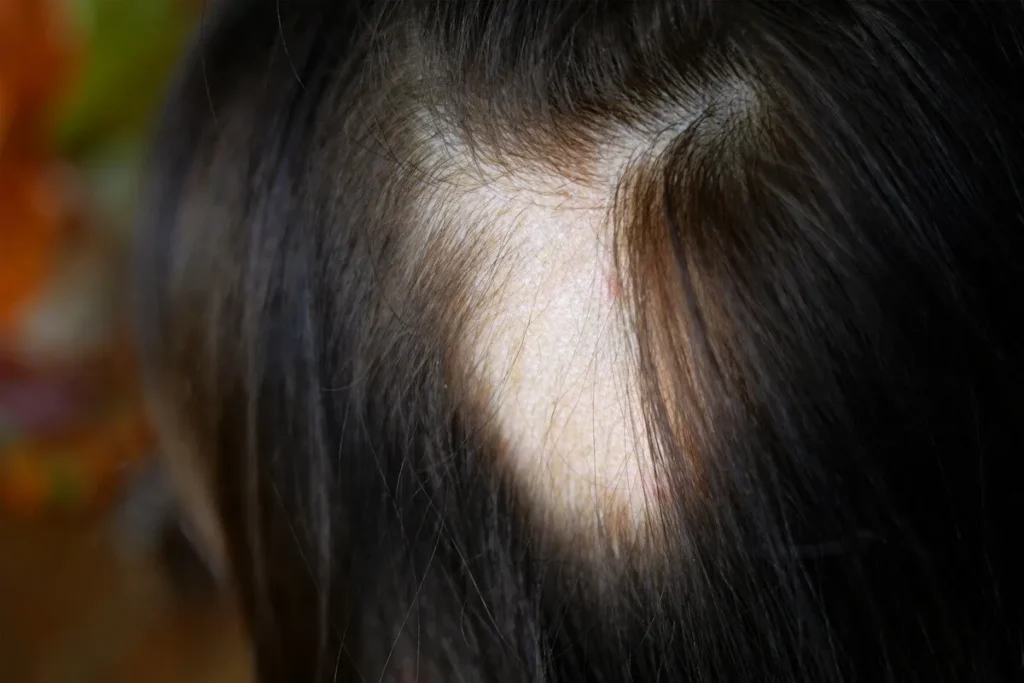
Medical Causes of Hair Loss: Cancer, Radiation, and Chemotherapy
Hair loss can be a direct result of the disease itself or a side effect of its treatment. Understanding these pathways helps answer the question is alopecia cancer in a broader context.
- Radiation therapy—targeted radiation can damage hair follicles, leading to localized or total scalp hair loss. Patients often ask, “does radiation cause hair loss?” and the answer is yes, especially when the scalp is within the treatment field.
- Chemotherapy—many chemotherapy agents attack rapidly dividing cells, which include hair follicles. This is why “chemo hair loss” is a well‑known side effect, and terms like “does chemotherapy cause hair loss” appear frequently in patient searches.
- Paraneoplastic syndromes—rare immune reactions to cancer can trigger alopecia, such as alopecia areata appearing in patients with lymphoma.
- Hormone‑related cancers—certain breast and prostate cancers, and their hormonal treatments, can lead to thinning hair.
Below is a concise overview of common medical triggers for hair loss:
| Trigger | Typical Hair Loss Pattern | Onset |
|---|---|---|
| Radiation (head/neck) | Patchy to total scalp loss | During/after treatment |
| Chemotherapy (e.g., cyclophosphamide) | Diffuse shedding | 1–3 weeks after start |
| Paraneoplastic alopecia | Sudden, often patchy | Variable, linked to cancer activity |
| Hormone therapy | Gradual thinning | Months to years |
These mechanisms illustrate that hair loss can be a symptom of cancer treatment, but not evidence that alopecia itself is a malignancy.
When Hair Loss Might Signal an Underlying Cancer
Although most hair loss is benign, certain patterns can raise suspicion for an underlying malignancy. In these cases, the question “is alopecia cancer?” becomes clinically relevant.
Red‑flag Indicators
- Sudden, extensive hair loss without an obvious trigger.
- Accompanying skin changes such as lesions, nodules, or discoloration.
- Systemic symptoms like unexplained weight loss, fatigue, or night sweats.
- Family history of cancers known to cause paraneoplastic alopecia.
For example, alopecia areata appearing alongside unexplained lymphadenopathy may prompt a physician to investigate lymphoma. Similarly, rapid hair loss in a patient with a known solid tumor could indicate disease progression or treatment side effects.
It is crucial to consult a healthcare professional if any of these signs are present. Early diagnostic work‑up can differentiate between benign alopecia and hair loss linked to cancer.
Diagnostic Steps: How Doctors Evaluate Hair Loss for Cancer Concerns
When a patient presents with hair loss, clinicians follow a systematic approach to rule out serious causes, including cancer.
Step‑by‑Step Evaluation
- Medical History—review of family cancer history, recent treatments, and symptom timeline.
- Physical Examination—assessment of scalp, skin, and any extra‑cutaneous signs.
- Laboratory Tests—complete blood count, thyroid panel, and markers for autoimmune disease.
- Imaging—if suspicion remains, imaging such as ultrasound or MRI may be ordered to evaluate underlying structures.
- Biopsy—skin or lymph node biopsy can confirm paraneoplastic processes or rule out malignancy.
These steps help answer the core question: is the hair loss a sign of cancer or a separate dermatologic condition? By following evidence‑based protocols, doctors can provide accurate diagnoses and appropriate referrals.
Treatment Options: Addressing Hair Loss Whether or Not Linked to Cancer
Regardless of the underlying cause, effective treatments exist to restore hair and confidence. Understanding the distinction between cancer‑related and unrelated hair loss guides the choice of therapy.
For Cancer‑Related Hair Loss
- Scalp Cooling—used during chemotherapy to reduce follicle exposure to drugs.
- Topical Minoxidil—promotes regrowth after radiation or chemotherapy.
- Saç Ekimi—once remission is achieved, procedures like FUE or DHI can permanently restore density.
For Primary Alopecia
- Prescription medications (e.g., finasteride for androgenetic alopecia).
- Platelet‑rich plasma (PRP) therapy.
- Microneedling and low‑level laser therapy.
Gold City Hair specializes in advanced transplant techniques, offering personalized plans that consider any prior cancer treatments. Patients can achieve natural‑looking results while maintaining safety and comfort.
Why Choose Gold City Hair
Gold City Hair has been delivering personalized hair restoration solutions in Turkey since 2017. Our expert team utilizes proven techniques such as FUE, DHI, and eyebrow or beard transplants, ensuring each patient receives a tailored experience. Transparent communication and a commitment to safety set us apart, helping individuals regain confidence through natural‑looking results.
Ready to take the next step toward restoring your hair and confidence? Contact Gold City Hair today to schedule a personalized consultation and discover the best solution for your unique needs.
SSS
Is alopecia a type of cancer?
No, alopecia is not a cancer; it is a group of conditions that cause hair loss.
Can chemotherapy cause hair loss?
Yes, chemotherapy often leads to temporary hair loss because it targets rapidly dividing cells, including hair follicles.
What are the red‑flag signs that hair loss may indicate cancer?
Sudden extensive loss, skin lesions, systemic symptoms, and a family history of cancer are red‑flag indicators.
How do doctors diagnose hair loss to rule out cancer?
Doctors use a step‑by‑step evaluation including history, physical exam, labs, imaging, and sometimes biopsy.
What treatment options exist for cancer‑related hair loss?
Options include scalp cooling, topical minoxidil, and hair transplant after remission.





