Many people wonder is itchy scalp a sign of hair loss and seek answers that can help them protect their hair. An itchy scalp can be uncomfortable, but it may also be an early warning that your hair follicles are under stress. Understanding the link between scalp irritation and hair thinning is essential for anyone noticing sudden itching or gradual hair loss.
According to dermatological studies, up to 30% of individuals with chronic scalp itching also experience some degree of hair shedding. This statistic highlights why it’s crucial to investigate the underlying cause rather than simply treating the symptom.
In this article we will explore the most common reasons an itchy scalp occurs, how it can be connected to various forms of alopecia, and what steps you can take to diagnose and manage the condition. Whether you’re dealing with mild dandruff or a more serious scalp disorder, the information below will guide you toward effective solutions and help you maintain a healthy scalp and robust hair growth.
Understanding Itchy Scalp: Causes and Connection to Hair Loss
An itchy scalp is often the first sign that something is off balance on the skin’s surface. While occasional itching can result from dry air or a new hair product, persistent irritation may indicate an underlying condition that also affects hair follicles. Some of the most frequent culprits include:
- Seboreik dermatit – a common inflammatory condition that produces flaky, itchy patches and can accelerate hair shedding.
- Folliculitis – inflammation of the hair follicles that can cause red bumps, itching, and temporary hair loss.
- Dry scalp – lack of moisture leading to irritation and, in severe cases, weakening of the hair shaft.
- Allergic reactions – sensitivities to shampoos, conditioners, or styling products that trigger itching and inflammation.
When these scalp issues persist, they can disrupt the normal hair growth cycle. For example, chronic inflammation may push hairs into the telogen (resting) phase, resulting in increased shedding—a condition known as telogen effluvium. Moreover, inflammation around the follicle can impair the blood supply, reducing the nutrients needed for robust hair production.
Below is a quick comparison of common scalp conditions and their typical impact on hair health:
| Condition | Primary Symptoms | Potential Hair Impact |
|---|---|---|
| Seboreik Dermatit | Greasy flakes, redness, itching | Accelerated shedding, weakened strands |
| Folikülit | Painful bumps, pus, itching | Localized hair loss, scarring if untreated |
| Kuru Saç Derisi | Dry patches, tight feeling, itch | Breakage, reduced growth rate |
| Allergic Reaction | Redness, swelling, itching | Temporary shedding, possible long‑term damage |
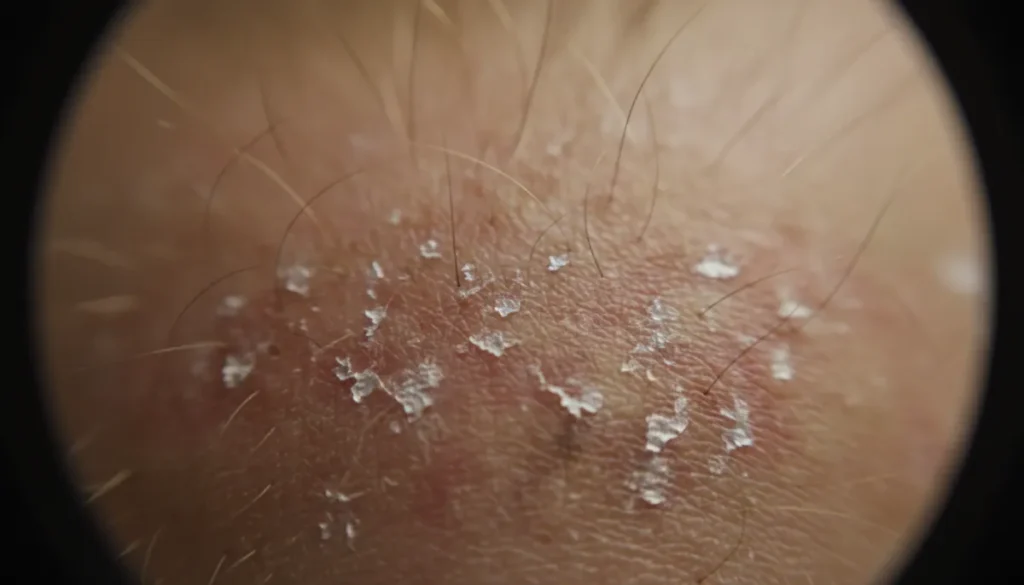
When Itching Signals an Underlying Hair Condition
Not all itching points directly to hair loss, but certain patterns are strong indicators that a hair condition may be developing. For instance, if you notice itching accompanied by thinning at the crown or temples, it could be an early sign of androgenetic alopecia (male or female pattern baldness). This type of alopecia is hormonally driven and often begins with subtle scalp sensations before visible thinning appears.
Androgenetic Alopecia and Itch
In androgenetic alopecia, the hair follicles gradually miniaturize, becoming thinner and shorter. The process can increase scalp sensitivity, leading to an itchy sensation. While the itch itself is not harmful, it serves as a warning that the follicles are entering a weakened state.
Alopesi Areata
Alopecia areata is an autoimmune disorder where the immune system attacks hair follicles, causing sudden patchy hair loss. Many patients report a tingling or itching feeling before hair falls out in round patches. If you experience localized itching followed by a bald spot, seeking a dermatologist promptly can improve treatment outcomes.
Other conditions, such as telogen effluvium triggered by stress, illness, or hormonal changes, may also present with an itchy scalp. In these cases, the itch is usually diffuse and coincides with a noticeable increase in shedding across the entire scalp.
- Check for pattern of hair loss – localized vs. diffuse.
- Note any recent life events (stress, illness, medication).
- Observe if the itch worsens after washing or styling.
Common Scalp Disorders That Mimic Hair Loss Symptoms
Several scalp disorders can cause itching and give the impression of hair loss, even though the hair follicles remain largely intact. Recognizing these conditions helps prevent unnecessary anxiety and ensures you receive the right treatment.
Folliculitis Scalp
Folliculitis is an infection of the hair follicle that produces red, itchy bumps. If left untreated, it can lead to scarring and permanent hair loss in the affected area. Typical triggers include bacterial overgrowth, friction from hats, or aggressive styling.
Saçlı Deride Sedef Hastalığı
Scalp psoriasis creates thick, silvery scales that itch intensely. While it does not directly cause hair loss, the constant scratching can damage hair shafts and lead to breakage.
Dandruff vs. Dry Scalp
Both dandruff and dry scalp cause itching, but dandruff is usually linked to an overgrowth of Malassezia yeast, whereas dry scalp stems from insufficient oil production. Neither condition inherently causes hair loss, yet the irritation can exacerbate existing thinning, especially if harsh shampoos are used.
Below is a concise guide to differentiate these disorders:
| Disorder | Key Signs | Impact on Hair |
|---|---|---|
| Folikülit | Red bumps, pus, tenderness | Possible scarring, localized loss |
| Scalp Psoriasis | Silvery plaques, thick scales | Breakage from scratching |
| Kepek | White flakes, oily scalp | Minimal direct loss, indirect stress |
| Kuru Saç Derisi | Dry patches, tight feeling | Weakening of strands, breakage |
How to Diagnose the Reason Behind an Itchy Scalp
Accurate diagnosis is the cornerstone of effective treatment. Dermatologists use a combination of visual examination, patient history, and sometimes laboratory tests to pinpoint the cause of an itchy scalp.
Clinical Examination
During a scalp exam, the doctor will look for signs such as redness, scaling, pustules, or pattern of hair thinning. A dermatoscope may be employed to magnify the scalp surface and reveal subtle follicular changes.
Patch Testing
If an allergic reaction is suspected, a patch test can identify specific ingredients in shampoos or hair dyes that trigger itching.
Laboratory Tests
In cases where infection is a concern, a swab of the scalp can be cultured to detect bacteria or fungi. Blood tests may also be ordered to rule out hormonal imbalances that contribute to androgenic alopecia.
Below is a step‑by‑step checklist you can use when visiting a specialist:
- Document when the itch started and any recent changes in products.
- Note accompanying symptoms – redness, flaking, pain.
- Bring a list of medications and supplements.
- Ask for a dermatoscopic examination.
- Discuss the need for patch or culture tests.
Following a thorough assessment, the dermatologist will recommend a tailored treatment plan that addresses both the itch and any associated hair loss.
Managing Itchy Scalp and Preventing Hair Loss
Once the underlying cause is identified, managing the itch while protecting hair follicles becomes the primary goal. Below are evidence‑based strategies that work for most scalp conditions.
Gentle Cleansing
Bir seçim yapın shampoo for itchy scalp that is sulfate‑free, contains anti‑inflammatory ingredients such as tea tree oil, salicylic acid, or zinc pyrithione, and avoids harsh fragrances. Wash no more than every other day to prevent stripping natural oils.
Topical Treatments
- For seborrheic dermatitis, medicated shampoos with ketoconazole or selenium sulfide are effective.
- Folliculitis may require topical antibiotics or antiseptic creams.
- Psoriasis responds well to coal tar or corticosteroid solutions.
Lifestyle Adjustments
Stress reduction, balanced nutrition rich in omega‑3 fatty acids, and adequate hydration support scalp health. Avoid tight hats or helmets that cause friction, and limit the use of heat styling tools that can dry the scalp.
Ne Zaman Profesyonel Yardım Alınmalı?
If itching persists beyond two weeks despite over‑the‑counter measures, or if you notice sudden patches of hair loss, schedule a consultation with a hair restoration specialist. Early intervention can halt progression and improve the chances of regrowth.
Below is a quick reference guide for daily scalp care:
| Action | Frequency | Recommended Products |
|---|---|---|
| Gentle shampoo | Every 2‑3 days | Sulfate‑free, zinc pyrithione |
| Scalp moisturizer | After washing | Lightweight, non‑comedogenic oil |
| Anti‑inflammatory serum | As needed | Tea tree or salicylic acid |
| Medical follow‑up | If symptoms persist >2 weeks | Dermatologist or hair restoration clinic |
Why Choose Gold City Hair
At Gold City Saç we combine advanced hair restoration techniques with a deep understanding of scalp health. Since 2017, our team has helped countless individuals overcome hair loss by addressing root causes, including persistent scalp itching. Our personalized approach ensures you receive a comprehensive evaluation, targeted treatments, and ongoing support to achieve lasting results. Trust a clinic that values transparent communication, modern FUE and DHI technologies, and a commitment to your confidence.
Ready to stop the itch and protect your hair? Contact Gold City Hair today for a personalized scalp assessment and discover the most effective solutions for your unique needs.
Book your consultation now and take the first step toward a healthier scalp and fuller hair.
SSS
Can an itchy scalp be a sign of hair loss?
Yes, persistent itching can indicate underlying scalp conditions that may lead to hair shedding.
What scalp conditions are most likely to cause hair loss?
Seborrheic dermatitis, folliculitis, psoriasis, and severe dry scalp are common culprits.
How does telogen effluvium relate to an itchy scalp?
Stress‑induced telogen effluvium often presents with diffuse itching and shedding.
When should I see a dermatologist for an itchy scalp?
If itching lasts more than two weeks, is accompanied by hair loss, or shows signs of infection.
What are effective over‑the‑counter treatments for an itchy scalp?
Medicated shampoos with ketoconazole, zinc pyrithione, or tea tree oil can help.
Can hair styling habits worsen an itchy scalp and hair loss?
Yes, tight hats, frequent heat styling, and harsh chemicals can aggravate irritation and shedding.





