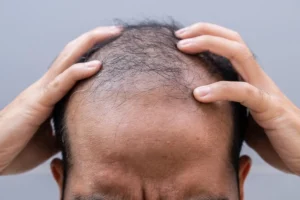
Many people wonder, is thin hair bad, and the answer depends on the underlying factors and personal perspective. Thin hair can be a natural variation, but it may also signal early stages of hair loss or an underlying condition such as alopecia. This article explores what thin hair really means, why it occurs, how it can affect confidence, and what treatments—including advanced hair transplant techniques—are available to restore volume and self‑esteem. According to recent dermatology surveys, up to 40 % of adults notice a noticeable reduction in hair density before the age of 35, highlighting the importance of early awareness.
We will break down the science behind hair thickness, identify common triggers, and provide practical steps you can take today. Whether you are dealing with gradual thinning, a receding hairline, or specific forms of alopecia, understanding the root cause empowers you to choose the most effective solution.
Read on to learn how to assess your hair health, prevent further thinning, and explore professional options such as FUE and DHI hair transplantation offered by Gold City Hair.
What Does Thin Hair Mean?
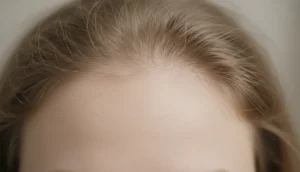
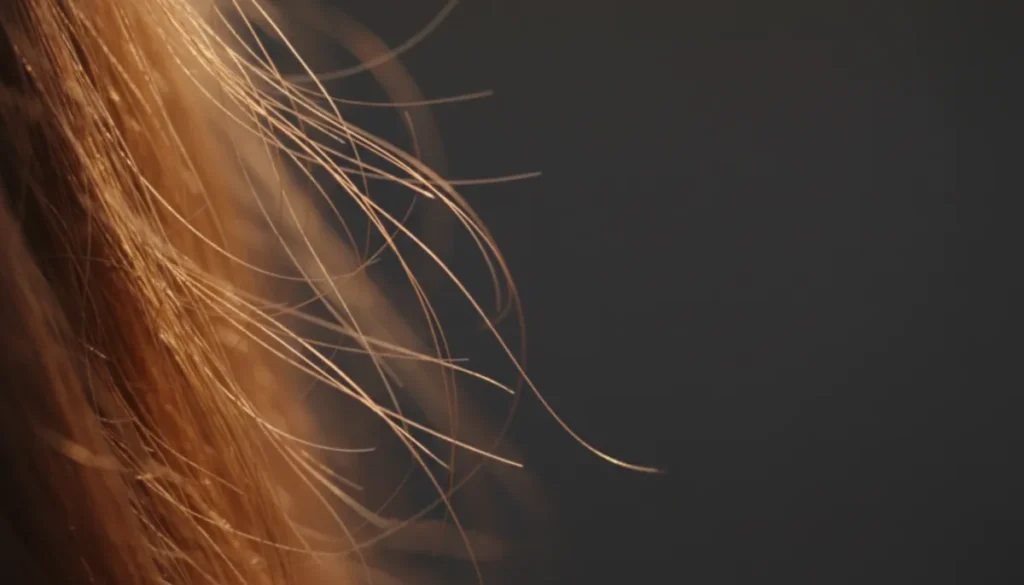
Thin hair refers to strands that have a smaller diameter than average, giving the appearance of less volume even when the scalp is fully covered. It is distinct from hair loss, which involves the shedding of follicles and a reduction in the total number of hairs. Thin hair can result from genetic predisposition, hormonal changes, nutritional deficiencies, or environmental stressors.
Key characteristics of thin hair include:
- Fine, delicate strands that break easily.
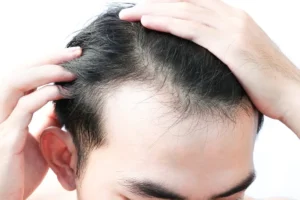
- Reduced scalp coverage, especially around the crown and temples.
- Increased visibility of the scalp under bright lighting.
Understanding whether your hair is simply fine or truly thinning is essential for selecting the right treatment. A professional scalp examination can differentiate between naturally fine hair and early-stage androgenetic alopecia, the most common form of pattern baldness.
Common Causes of Thin Hair
Identifying the root cause of thin hair is the first step toward effective management. Below are the most frequently reported factors, supported by dermatological research.
Genetic Factors
Family history plays a pivotal role in male pattern baldness ve female pattern baldness. The genes responsible for hair follicle miniaturization can lead to progressively thinner strands over time.
Hormonal Changes
Fluctuations in hormones such as dihydrotestosterone (DHT) can shrink hair follicles, resulting in finer hair. This is common during puberty, pregnancy, menopause, and thyroid disorders.
Nutritional Deficiencies
Lack of essential nutrients—iron, zinc, biotin, and protein—can weaken hair structure. A balanced diet rich in vitamins A, C, D, and E supports healthy hair growth.
Alopecia Types
Autoimmune conditions like alopecia areata cause sudden patches of hair loss, which may leave the surrounding hair appearing thinner. Traction alopecia from tight hairstyles also contributes to follicle damage.
Environmental and Lifestyle Factors
Excessive heat styling, harsh chemicals, and frequent use of dry shampoo can damage cuticles, making hair appear thinner. Chronic stress elevates cortisol levels, which can disrupt the hair growth cycle.
| Cause | Typical Signs | Suggested Action |
|---|---|---|
| Genetik | Gradual thinning at crown and temples | Consult a dermatologist; consider medical therapy |
| Hormonal imbalance | Sudden shedding, diffuse thinning | Blood tests; hormone regulation treatment |
| Nutrient deficiency | Brittle, weak strands | Dietary supplements; balanced nutrition |
| Alopecia areata | Patchy bald spots | Topical steroids; immunotherapy |
| Environmental stress | Dry, frizzy texture | Gentle hair care; reduce heat styling |
How Thin Hair Affects Appearance and Confidence
While thin hair is not inherently a medical problem, its visual impact can influence self‑esteem. Many individuals report feeling less attractive or professional when their hair lacks volume, especially in social or workplace settings.
Psychological effects often include:
- Increased self‑consciousness about appearance.
- Avoidance of social situations or camera exposure.
- Stress that may further exacerbate hair thinning.
Research in cosmetic dermatology indicates that patients who receive appropriate treatment for thinning hair report a 30 % improvement in confidence scores within three months. Addressing the aesthetic concern early can break the cycle of stress‑induced hair loss.
Choosing the right solution—whether lifestyle adjustments, topical therapies, or surgical restoration—helps restore not only hair density but also personal confidence.
Treatment Options for Thin Hair
When thin hair becomes a concern, a range of treatments can address both the underlying cause and the visual appearance. Below is an overview of medical, non‑surgical, and surgical options.
Medical Therapies
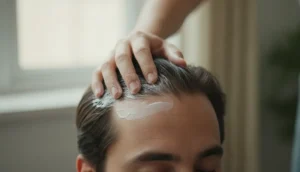
Topical minoxidil and oral finasteride are FDA‑approved for androgenetic alopecia and have been shown to increase hair shaft diameter in many users. Nutritional supplements containing biotin, collagen, and marine extracts also support follicle health.
Non‑Surgical Cosmetic Solutions
Low‑level laser therapy (LLLT) stimulates blood flow to the scalp, promoting thicker growth. Microneedling combined with topical serums can enhance absorption and trigger regeneration.
Surgical Hair Restoration
Modern hair transplant techniques such as Foliküler Ünite Ekstraksiyonu (FUE) ve Direct Hair Implantation (DHI) provide permanent, natural‑looking density. These procedures relocate healthy follicles from donor areas—typically the back of the head—to thinning zones, effectively converting fine hair into thicker, permanent growth.
| Method | How It Works | Pros | Cons |
|---|---|---|---|
| Minoxidil (topical) | Vasodilator that prolongs growth phase | Easy to use, over‑the‑counter | Requires continuous use, limited thickness gain |
| Finasteride (oral) | Blocks DHT production | Effective for male pattern baldness | Potential hormonal side effects |
| LLLT | Low‑level lasers stimulate follicles | Non‑invasive, painless | Results vary, multiple sessions needed |
| FUE/DHI Transplant | Harvests individual follicles and implants them | Permanent, natural density, minimal scarring | Higher cost, requires surgical expertise |
For individuals whose thin hair is linked to genetic or hormonal patterns, surgical restoration often yields the most lasting improvement. Clinics like Gold City Hair specialize in FUE and DHI, offering personalized treatment plans based on scalp analysis.
Preventive Measures and Daily Care
Even if you decide to pursue professional treatment, daily habits can slow further thinning and improve overall hair health.
- Gentle cleansing: Use sulfate‑free shampoos and avoid excessive washing.
- Condition wisely: Apply lightweight conditioner to the mid‑lengths, not the scalp.
- Scalp massage: Stimulate circulation for 5 minutes each night.
- Balanced diet: Include lean protein, omega‑3 fatty acids, and leafy greens.
- Stress management: Practice mindfulness, yoga, or regular exercise.
- Limit heat & chemical styling: Reduce use of flat irons, perms, and harsh dyes.
Regular monitoring of hair density—through photos or professional assessment—helps track progress and adjust interventions promptly.
Why Choose Gold City Hair for Hair Restoration
Gold City Hair combines over six years of expertise with cutting‑edge FUE and DHI technologies to deliver natural, lasting results. Our team prioritizes a personalized approach, thorough scalp analysis, and transparent communication throughout every step of the journey. Located in Turkey, a global hub for advanced aesthetic procedures, we ensure high‑quality care at competitive prices, helping you regain confidence and a fuller head of hair.
Ready to transform thin hair into a fuller, healthier look? Contact Gold City Hair today to schedule your free consultation and discover the best treatment plan for you.
Take the first step toward renewed confidence—your journey to thicker hair starts now.
SSS
Is thin hair considered a form of hair loss?
Thin hair is not the same as hair loss, but it can be an early sign of follicle miniaturization.
What are the most common causes of thin hair?
Genetics, hormonal changes, nutrient deficiencies, alopecia types, and environmental stress are the main culprits.
How can I tell if my hair is thin or just fine?
A professional scalp exam can differentiate natural fine hair from early thinning.
What non‑surgical treatments help thicken thin hair?
Topical minoxidil, oral finasteride, LLLT, microneedling, and nutritional supplements are effective options.
What are the benefits of FUE and DHI hair transplants for thin hair?
Both methods provide permanent, natural‑looking density with minimal scarring.
How does diet affect hair thickness?
A balanced diet rich in protein, iron, zinc, and vitamins supports thicker, healthier hair.