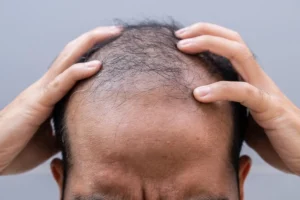
I want to share how i cured my androgenetic alopecia by combining medical therapy, advanced hair transplant techniques, and daily lifestyle habits. Hair loss affects millions worldwide, and understanding the path to recovery can empower anyone facing the same challenge. According to recent studies, more than 40% of men and 30% of women experience noticeable thinning by age 35, making early intervention crucial.
In this article I will outline the exact steps I took, the treatments I trusted, and the habits that supported lasting results. Whether you are exploring hair loss treatment options for the first time or seeking to fine‑tune an existing regimen, the information below offers a clear roadmap.
From prescription medication to the latest hair transplant methods, each component plays a specific role in reversing the pattern of hair loss. Let’s dive into the science, the options, and the practical actions that helped me reclaim a full, healthy head of hair.
Understanding Androgenetic Alopecia
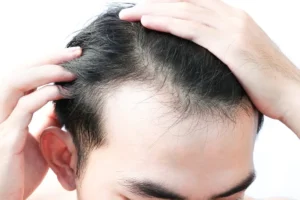
Androgenetic alopecia, often called pattern baldness, is driven by a combination of genetics and hormone sensitivity. The hormone dihydrotestosterone (DHT) binds to hair follicles, shortening the growth phase and eventually causing follicles to miniaturize.
- Typical onset: late teens to early 30s for men, later for women.
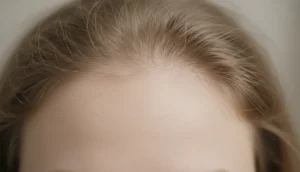
- Common patterns: receding hairline and vertex thinning in men; diffuse thinning on the crown in women.
- Key risk factors: family history, high androgen levels, stress, and poor scalp health.
Recognizing the stage of loss is essential because it determines which interventions will be most effective. Early stages respond well to medication, while advanced thinning often benefits from surgical restoration.
Below is a quick reference table that matches the Norwood (men) and Ludwig (women) classifications with recommended treatment pathways.
| Classification | Typical Appearance | Suggested Primary Treatment |
|---|---|---|
| Norwood I‑II | Receding hairline, mild vertex thinning | Finasteride, Minoxidil, lifestyle support |
| Norwood III‑V | Significant crown loss, noticeable bald spots | Combination therapy + FUE or DHI transplant |
| Ludwig I‑II | Diffuse thinning, especially on top | Topical minoxidil, hair growth supplements, possible transplant |
Medical Treatments That Made a Difference
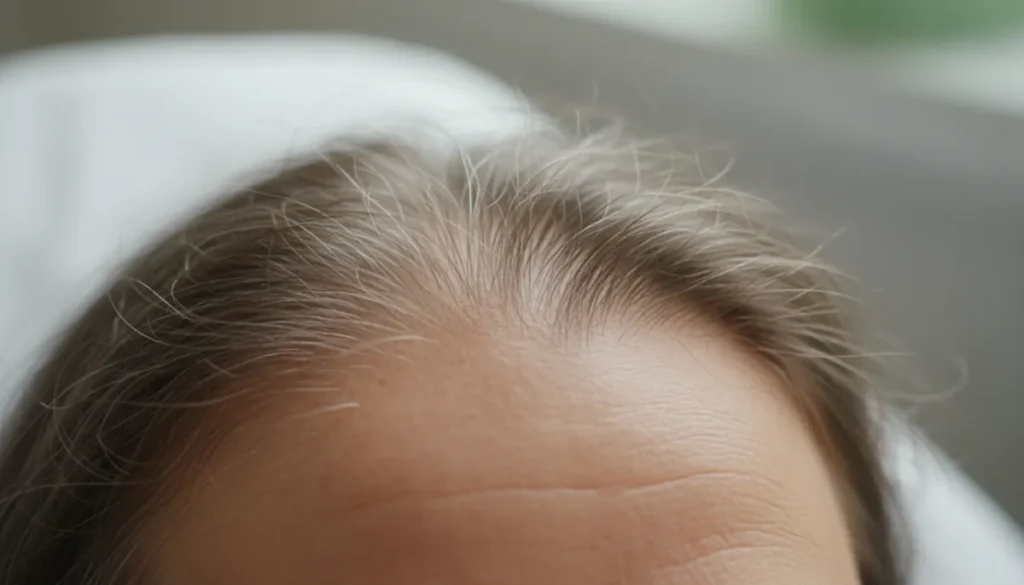
The first pillar of my recovery was targeted medication. Two drugs dominate the evidence‑based approach: finasteride for hair loss and topical minoxidil. Finasteride works by inhibiting the conversion of testosterone to DHT, while minoxidil expands blood vessels to improve follicle nourishment.
Here’s how I incorporated them safely:
- Finasteride (1 mg daily): Prescribed after a thorough dermatologist evaluation, monitored with quarterly blood tests to track hormone levels.
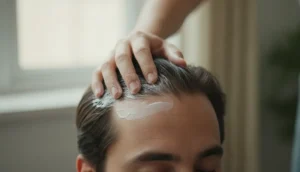
- Minoxidil 5% solution: Applied twice daily to the thinning areas, ensuring the scalp is dry before each use.
- Adjunctive therapies: Low‑dose oral spironolactone for hormonal balance (women) and platelet‑rich plasma (PRP) sessions to boost follicle activity.
In addition to prescription drugs, I experimented with reputable hair growth products that contain biotin, caffeine, and saw palmetto. While not a standalone cure, these supplements supported overall scalp health and reduced shedding.
It is critical to consult a qualified dermatologist before starting any medication. Monitoring side effects, especially with finasteride, ensures the treatment remains both safe and effective.
Choosing the Right Hair Transplant Technique
When medication alone plateaued, I turned to surgical restoration. The two most advanced methods offered at Gold City Hair are Follicular Unit Extraction (FUE) and Direct Hair Implantation (DHI). Both deliver natural‑looking density, but they differ in extraction and implantation processes.
FUE removes individual follicles with a micro‑punch, leaving tiny dot‑like scars that are virtually invisible. DHI uses a patented implanter pen that places follicles directly into the recipient site, reducing handling time and potentially improving graft survival.
My decision was based on these factors:
- Scalp laxity: DHI is preferred for tighter scalps.
- Desired density: FUE allows for larger sessions when extensive coverage is needed.
- Recovery time: Both methods offer rapid healing, but DHI often results in less post‑procedure discomfort.
Below is a side‑by‑side comparison to help you evaluate which technique aligns with your goals.
| Feature | FUE | DHI |
|---|---|---|
| Extraction method | Micro‑punch, individual follicles | Same extraction, but immediate implantation |
| Implantation tool | Standard forceps | Implanter pen (Choi device) |
| Session length | 6‑10 hours for moderate coverage | 5‑8 hours, often faster due to reduced handling |
| Typical graft survival rate | 85‑90% | 90‑95% |
My final choice was a DHI procedure performed in Istanbul, where a team of experienced surgeons harvested 2,500 grafts and achieved a natural hairline that matched my original frontal design.
Supporting Hair Growth with Lifestyle and Natural Products
Even after a successful transplant, long‑term success hinges on scalp health and nutrition. I adopted several evidence‑based habits that complement medical and surgical interventions.
Nutrition and Supplements
Hair follicles thrive on a balanced intake of protein, iron, zinc, and vitamins A, C, D, and E. I incorporated the following into my daily routine:
- Lean proteins: chicken, fish, legumes.
- Iron‑rich foods: spinach, lentils, lean red meat.
- Omega‑3 fatty acids: salmon, walnuts, flaxseed oil.
- Targeted supplements: biotin (5 mg), collagen peptides, and a high‑quality multivitamin.
Scalp Care Practices
Maintaining a clean, well‑moisturized scalp reduces inflammation and supports graft survival. My regimen includes:
- Gentle sulfate‑free shampoo twice weekly.
- Scalp massage with a silicone brush to stimulate blood flow.
- Periodic low‑level laser therapy (LLLT) sessions for cellular activation.
These natural supports, combined with the earlier hair growth supplements, helped lock in the new growth and minimize future shedding.
Maintaining Results and Planning for the Future
Hair restoration is not a one‑time event; it requires ongoing attention. After my transplant, I scheduled regular follow‑ups with my surgeon to assess graft integration and address any emerging concerns.
Key maintenance steps include:
- Continuing finasteride at a maintenance dose for at least two years.
- Using minoxidil on any residual thinning zones.
- Annual PRP or LLLT sessions to rejuvenate the scalp.
- Seasonal adjustments: protecting the scalp from UV exposure in summer and maintaining humidity in winter.
By staying proactive, I have kept the transplanted hair robust for over 18 months, and my native hair continues to improve thanks to the holistic approach.
For anyone wondering why the journey matters, remember that confidence grows alongside the hair. The combination of proven medication, precise transplant technology, and disciplined lifestyle created a sustainable solution for my androgenetic alopecia.
Why Choose Gold City Hair
Gold City Hair has been delivering personalized hair restoration solutions in Turkey since 2017. Our clinic combines the latest FUE and DHI technologies with a transparent, patient‑focused approach. Every treatment plan is tailored to the individual’s hair loss pattern, medical history, and aesthetic goals, ensuring natural results and lasting confidence.
Our team of board‑certified surgeons and dedicated care staff prioritizes safety, comfort, and clear communication from the initial consultation through post‑procedure follow‑up. Choosing Gold City Hair means accessing world‑class expertise at a cost‑effective location, with a commitment to your long‑term hair health.
Ready to start your own transformation? Contact Gold City Hair today to schedule a free, no‑obligation consultation and discover the personalized plan that can help you achieve lasting hair growth.
SSS
What causes androgenetic alopecia?
Androgenetic alopecia is caused by a combination of genetics and the hormone dihydrotestosterone (DHT) affecting hair follicles.
How effective are finasteride and minoxidil for treating hair loss?
Finasteride and minoxidil are clinically proven to slow hair loss and promote regrowth in many patients with androgenetic alopecia.
What is the difference between FUE and DHI hair transplant techniques?
FUE extracts individual follicles with a micro‑punch, while DHI uses the same extraction but implants follicles directly with a specialized implanter pen.
Can lifestyle changes and nutrition support hair regrowth after a transplant?
Yes, a balanced diet, proper supplements, and scalp care can enhance graft survival and promote natural hair growth.
What maintenance steps are needed to keep hair transplant results long‑term?
Continued medication, periodic scalp treatments, and regular follow‑ups are key to preserving transplant outcomes.
Are there any side effects of finasteride?
Finasteride can cause sexual side effects and, rarely, mood changes, but most users tolerate it well with proper monitoring.
How long does it take to see results after a hair transplant?
Visible hair growth typically begins 3‑4 months post‑procedure, with full results emerging around 12‑18 months.
What is PRP and how does it help with hair growth?
PRP (platelet‑rich plasma) uses a patient’s own blood platelets to stimulate hair follicles and promote regeneration.