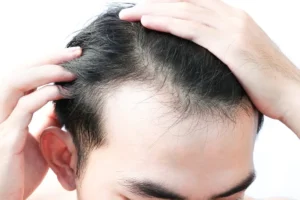
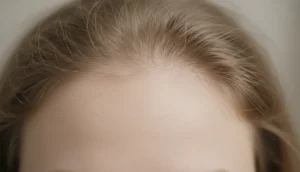
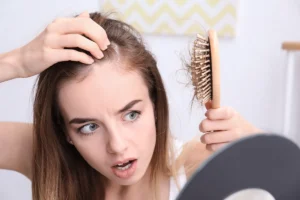
Laser hair treatment for hair loss has emerged as a non‑invasive alternative for men and women seeking to restore thinning crowns and receding hairlines. This article explains the science behind the technology, compares it with traditional hair loss treatments, and helps you decide if it’s the right option for your personal needs. According to recent clinical observations, consistent low‑level laser therapy can stimulate hair growth in up to 60% of participants, offering a promising path for those hesitant about surgery.
We will explore how the light energy interacts with scalp cells, the measurable benefits over medication and transplant procedures, and what a typical session looks like at a professional clinic. Understanding these factors empowers you to make an informed decision and set realistic expectations before beginning any regimen.
Whether you have early‑stage thinning or advanced balding, the information below will guide you through the essential considerations of laser hair treatment for hair loss, helping you choose a safe, evidence‑based approach that aligns with your confidence goals.
How Laser Hair Treatment Works
At its core, laser hair treatment utilizes low‑level laser therapy (LLLT) or red light therapy to activate cellular processes within the hair follicle. The technology relies on photobiomodulation, a mechanism where specific wavelengths—typically in the red (630‑670 nm) or near‑infrared (810‑850 nm) range—penetrate the scalp and stimulate mitochondrial activity.
Photobiomodulation Basics
When photons are absorbed by cytochrome c oxidase, they boost adenosine triphosphate (ATP) production, enhancing cellular metabolism. This increased energy supply promotes the transition of hair follicles from the telogen (resting) phase to the anagen (growth) phase, leading to thicker, healthier strands over time.
Mechanism of Action
- Improves blood circulation, delivering oxygen and nutrients to dormant follicles.
- Reduces oxidative stress and inflammation that can accelerate hair shedding.
- Stimulates stem cells in the bulge area of the follicle, encouraging regeneration.
Clinical studies have shown that patients who undergo three sessions per week for 12‑24 weeks often report visible improvements in hair density. The treatment is painless, requires no downtime, and can be combined with other hair loss treatments such as minoxidil or platelet‑rich plasma (PRP) for synergistic effects.
Benefits Compared to Traditional Hair Loss Treatments
When evaluating options for hair restoration, it’s essential to compare outcomes, safety profiles, and long‑term commitments. Below is a concise comparison of laser hair treatment, pharmaceutical options, and surgical transplants.
| Aspect | Laser Hair Treatment | Medication (e.g., Minoxidil, Finasteride) | Surgical Transplant (FUE/DHI) |
|---|---|---|---|
| Invasiveness | Non‑invasive, topical or in‑clinic devices | Topical or oral, non‑surgical | Minimally invasive surgery |
| Recovery Time | None; immediate return to activities | None; daily application required | Several days to weeks |
| Side Effects | Rare; mild scalp warmth | Potential skin irritation, sexual side effects | Scarring, infection risk |
| Cost (average) | $500‑$2,000 for a full course | $30‑$80 per month | $3,000‑$10,000 per session |
| Long‑Term Efficacy | Improves density while used; maintenance required | Effective while continued; loss after discontinuation | Permanent grafts; lifelong results |
Key advantages of laser therapy include its safety, ease of integration into daily routines, and the ability to complement other treatments without increasing adverse effects. While it may not replace a full‑scale transplant for extensive balding, it offers a valuable bridge for patients seeking gradual, natural‑looking regrowth.
Who Is a Good Candidate?
Laser hair treatment is suitable for a broad spectrum of individuals, but certain factors influence success rates. Ideal candidates typically meet the following criteria:
- Early to moderate androgenetic alopecia (Pattern hair loss).
- Intact hair follicles that have entered the telogen phase but are not yet scarred.
- Age between 18‑55 years, as younger scalp cells respond more robustly.
- No contraindications such as active scalp infections, uncontrolled epilepsy, or photosensitivity disorders.
Patients with extensive scarring alopecia or advanced stage baldness may experience limited benefits and might be better served by surgical options. A thorough scalp assessment—including dermoscopic examination and possibly a biopsy—helps clinicians determine the likelihood of a positive response.
Additionally, lifestyle considerations such as smoking, poor nutrition, and chronic stress can diminish the effectiveness of laser therapy. Combining the treatment with a balanced diet rich in vitamins (especially biotin, vitamin D, and zinc) and stress‑management techniques can amplify results.
What to Expect During a Laser Therapy Session
A typical laser hair treatment session is straightforward and comfortable. Below is a step‑by‑step outline of what patients experience in a reputable clinic.
- Initial Consultation: The specialist reviews medical history, examines the scalp, and discusses goals.
- Preparation: The scalp is cleaned, and any styling products are removed to ensure optimal light penetration.
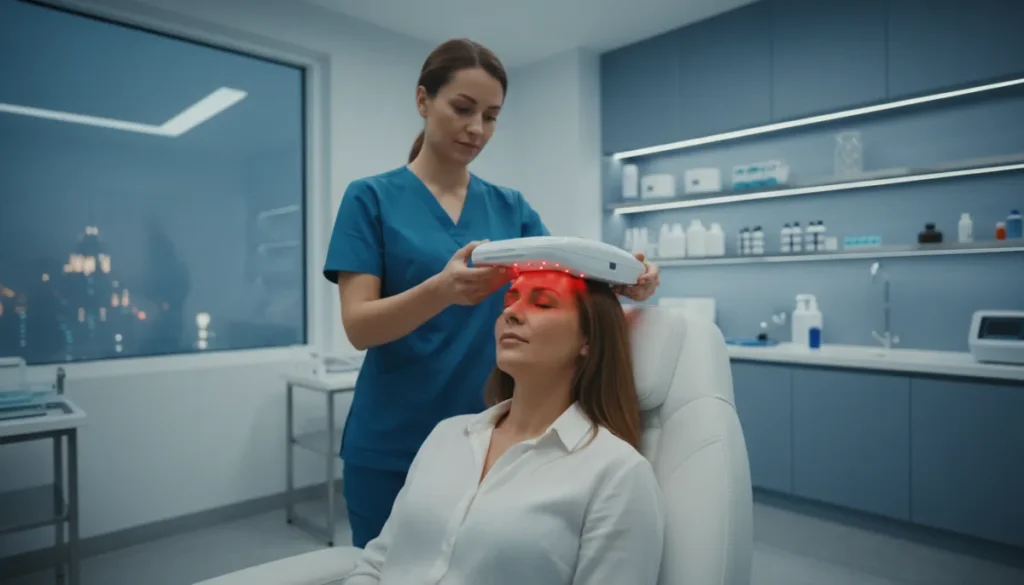
- Device Placement: A low‑level laser cap, helmet, or hand‑held panel is positioned over the target area. Modern devices emit a uniform red light field covering the entire crown.
- Treatment Duration: Sessions last between 15‑30 minutes, during which the patient can relax, read, or use a mobile device.
- Post‑Session Care: No special aftercare is needed; patients may resume normal activities immediately.
Most clinics recommend a regimen of three sessions per week for the first 12 weeks, followed by maintenance sessions once or twice a month. Consistency is key, as the cumulative effect of photobiomodulation drives follicular activation.
Patients often report a mild warming sensation during exposure, which is a normal indication that the light is being absorbed. There is no pain, no downtime, and no need for anesthesia.
Choosing the Right Device and Clinic
Not all laser systems are created equal. When selecting a provider, consider the following factors to ensure safety, efficacy, and value.
- Wavelength and Power Output: Effective devices operate within the 630‑670 nm (red) or 810‑850 nm (near‑infrared) range, delivering 5‑10 mW/cm².
- Clinical Validation: Look for FDA‑cleared or CE‑marked equipment supported by peer‑reviewed studies.
- Professional Oversight: Clinics that employ board‑certified dermatologists or hair restoration surgeons provide better assessment and monitoring.
- Treatment Protocols: Transparent schedules, clear pricing, and post‑treatment follow‑up demonstrate a commitment to patient outcomes.
- Patient Reviews and Before/After Documentation: Real‑world results help gauge realistic expectations.
At Gold City Hair, the clinic combines state‑of‑the‑art laser units with a team experienced in both surgical and non‑surgical hair restoration. This integrated approach allows for personalized protocols that align laser therapy with potential future procedures, ensuring a seamless continuum of care.
Why Choose Gold City Hair
Gold City Hair has been a trusted hair restoration center in Turkey since 2017, offering a full spectrum of aesthetic and cosmetic solutions. Our team specializes in FUE, DHI, and eyebrow/beard transplants, and we bring the same precision and personalized care to non‑surgical options such as laser hair treatment. We prioritize transparent communication, detailed pre‑treatment assessments, and customized protocols that align with each patient’s unique hair loss pattern. Choosing Gold City Hair means accessing cutting‑edge technology, experienced clinicians, and a supportive environment focused on restoring confidence and natural‑looking results.
Ready to explore laser hair treatment for hair loss with a trusted expert? Contact Gold City Hair today to schedule your personalized consultation and take the first step toward fuller, healthier hair.
SSS
How does laser hair treatment work for hair loss?
Laser hair treatment uses low‑level red or near‑infrared light to stimulate cellular activity in hair follicles, shifting them from the resting phase to the growth phase.
What are the benefits of laser hair treatment compared to medication and surgery?
Laser therapy is non‑invasive, has minimal side effects, requires no downtime, and can be used alongside other treatments.
Who is an ideal candidate for laser hair therapy?
People with early to moderate androgenetic alopecia, intact follicles, and ages between 18‑55 are best suited.
What can I expect during a typical laser hair treatment session?
A session lasts 15‑30 minutes, involves a brief consultation, device placement, and no downtime afterward.
How often should I undergo laser hair treatment for best results?
Three sessions per week for the first 12‑24 weeks, then maintenance once or twice a month.
Why should I choose Gold City Hair for laser hair treatment?
Gold City Hair offers FDA‑cleared devices, board‑certified clinicians, and personalized protocols backed by years of hair restoration experience.