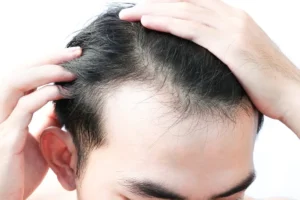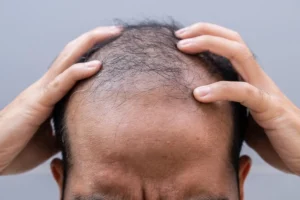
When you search the phrase laser therapy for hair loss does it work, you’re looking for clear answers about a treatment that promises non‑invasive hair regrowth. In this article we’ll break down the technology, review clinical evidence, discuss who may benefit, and compare costs and practical considerations. With hair loss affecting up to 40 % of men and a growing number of women, understanding every option is essential for making an informed decision.
Hair loss can be distressing, impacting confidence and personal style. While medications like finasteride and surgical options such as hair transplant are well known, many patients are drawn to low‑level laser therapy (LLLT) because it appears simple and painless. However, the real question remains: does it deliver measurable results?
We’ll explore the science behind red light devices, examine research findings, and outline how laser therapy fits into a comprehensive hair restoration plan. By the end, you’ll have a realistic picture of its benefits, limitations, and whether it’s a viable addition to your treatment arsenal.
Understanding Laser Therapy: How It Works
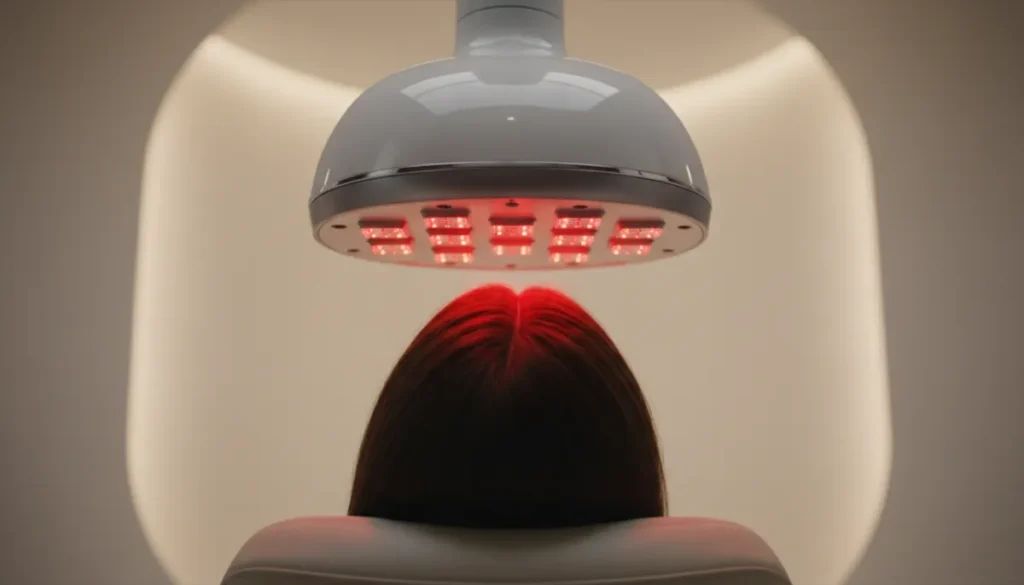
Low‑level laser therapy, often marketed as red light therapy, uses specific wavelengths of light—typically between 630 nm and 660 nm—to stimulate cellular activity in the scalp. The light penetrates the skin, reaching hair follicles and enhancing mitochondrial function, which can boost ATP production and promote the anagen (growth) phase of the hair cycle.
The Science Behind Low‑Level Laser Therapy (LLLT)
- Photobiomodulation: Light photons are absorbed by cytochrome c oxidase, improving cellular respiration.
- Increased blood flow: Vasodilation expands capillary networks, delivering more oxygen and nutrients to follicles.
- Anti‑inflammatory effects: Red light can reduce oxidative stress, creating a healthier environment for hair growth.
These mechanisms are the foundation for the claimed red light therapy benefits, including thicker shafts and reduced shedding. Below is a quick comparison of laser therapy with other common hair loss solutions.
| Treatment | Invasiveness | Typical Cost (USD) | Evidence Level |
|---|---|---|---|
| Low‑Level Laser Therapy | Non‑invasive | $200‑$2,500 (device) | Moderate (clinical trials) |
| Finasteride (oral) | Medication | $30‑$70/month | High (large studies) |
| Hair Transplant (FUE/DHI) | Surgical | $3,000‑$10,000 | Very High (long‑term data) |
| Topical Minoxidil | Topical | $20‑$40/month | High (multiple trials) |
Effectiveness: What Clinical Studies Show
Researchers have conducted several randomized controlled trials to answer the question “does laser therapy for hair loss work?” Results vary, but many studies report modest improvements in hair density and thickness after consistent use over 12‑24 weeks.
One double‑blind study involving 100 participants using a red light therapy device showed a 23 % increase in hair count compared to a sham device. Another trial with a 655 nm laser comb reported a 30 % reduction in shedding for men with androgenetic alopecia. While these figures are encouraging, it’s important to note that outcomes depend on factors such as treatment frequency, device quality, and individual biology.
Key takeaways from the literature include:
- Consistency matters: Benefits typically appear after 3‑6 months of regular sessions (3‑5 minutes per day).
- Adjunctive use: Combining LLLT with minoxidil or finasteride often yields better results than any single therapy alone.
- Variable response: Not all users experience noticeable growth; some see only a slowdown in hair loss.
Overall, the evidence suggests that laser therapy can be an effective component of a multi‑modal approach, especially for early‑stage thinning.
Who Can Benefit? Candidate Selection and Expectations
Laser therapy is not a one‑size‑fits‑all solution. Ideal candidates usually have mild to moderate hair thinning rather than extensive baldness. The treatment works best on active follicles that can be stimulated back into the growth phase.
Typical Candidates
- Men with early‑stage androgenetic alopecia (Norwood II‑III).
- Women experiencing diffuse thinning (Ludwig I‑II).
- Individuals who prefer a non‑surgical, low‑maintenance option.
- Patients already using hair growth products who want to enhance results.
Conversely, those with large bald patches, scarring alopecia, or advanced hair loss may see limited benefit and might be better served by hair transplant procedures such as FUE or DHI.
Setting realistic expectations is crucial. Most users notice a gradual thickening of existing strands and a slower shedding rate rather than dramatic new growth. Patience and adherence to the recommended schedule are key to achieving measurable outcomes.
Practical Considerations: Devices, Sessions, and Costs
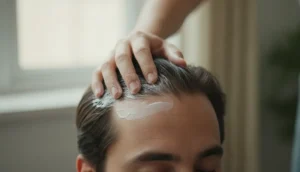
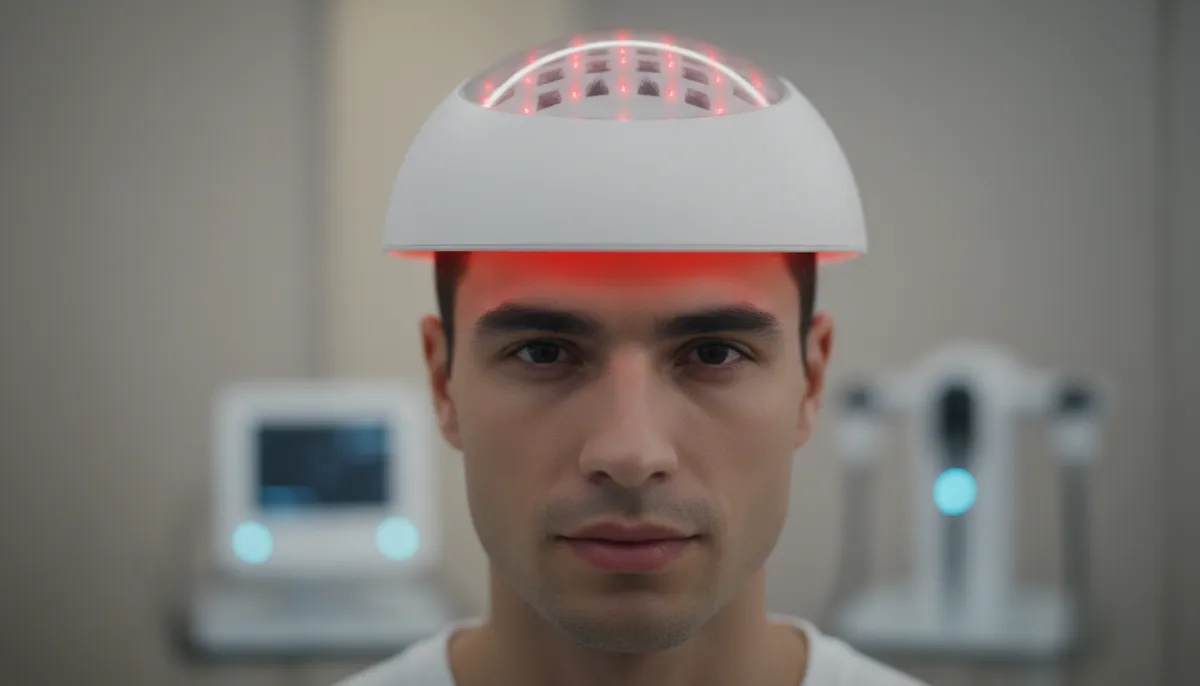
When evaluating whether laser therapy for hair loss does it work for you, consider the type of device, session requirements, and overall investment. Options range from handheld combs and caps to full‑size panels and even red light masks designed for scalp use.
Device Types and Price Ranges
| Device | Typical Session Time | Price (USD) | Portability |
|---|---|---|---|
| Handheld laser comb | 5‑10 min | $200‑$600 | High |
| Laser cap/helmet | 15‑30 min | $800‑$2,500 | Medium |
| Full‑size panel (clinic) | 20‑30 min | $3,000‑$8,000 (service) | Low |
| Red light mask (scalp version) | 10‑15 min | $300‑$900 | High |
Home devices such as red light therapy at home kits are popular for convenience, but they may deliver lower energy density compared to professional‑grade panels. Clinics in Turkey, including Gold City Hair, often offer supervised sessions using high‑power lasers, ensuring consistent dosage.
In addition to the upfront cost, consider ongoing expenses: replacement bulbs, maintenance, and the time commitment for daily or several‑times‑weekly use. For many, the non‑invasive nature and lack of systemic side effects justify the investment.
Integrating Laser Therapy with Other Hair Restoration Options
Most experts agree that the best outcomes arise from a combination strategy. Laser therapy can complement medical treatments, nutritional supplements, and surgical procedures, creating a synergistic effect.
Combination Approaches
- Laser + Minoxidil: Studies show up to a 30 % greater increase in hair count when both are used together.
- Laser + Finasteride: Men on finasteride who add LLLT often experience faster density gains.
- Laser + Hair Transplant: Post‑operative low‑level laser sessions can improve graft survival and accelerate healing.
- Laser + Nutritional Support: Vitamins such as biotin, zinc, and vitamin D enhance overall follicle health.
When planning a comprehensive regimen, discuss timing and dosage with a qualified specialist. For example, using a red light therapy device in the evenings can avoid interference with daytime topical applications, and a short break after a transplant allows the scalp to recover before starting LLLT.
Ultimately, laser therapy serves as a versatile tool that can be tailored to individual needs, whether you’re seeking to maintain existing hair, slow progressive loss, or boost the results of a surgical transplant.
Why Choose Gold City Hair
Gold City Hair has been delivering personalized hair restoration solutions in Turkey since 2017. Our clinic combines state‑of‑the‑art FUE ve DHI techniques with evidence‑based adjunct therapies, including professional‑grade laser sessions. We prioritize transparent communication, thorough pre‑treatment screening, and a customized plan that aligns with each patient’s goals and budget. Trust a team that blends surgical expertise with non‑invasive options for a holistic approach to hair health.
Ready to see if laser therapy can revitalize your hair? Contact Gold City Hair today for a personalized consultation and discover a tailored plan that integrates the latest low‑level laser technology with our proven transplant methods.
Take the first step toward confidence—schedule your virtual assessment now.
SSS
Does laser therapy for hair loss actually work?
Clinical studies show modest improvements in hair density and thickness, especially when used consistently for 3‑6 months.
How long does it take to see results from laser hair therapy?
Most users notice visible changes after 3 to 6 months of regular daily sessions.
Who is a good candidate for low‑level laser therapy?
Individuals with mild to moderate thinning and active follicles, such as early‑stage androgenetic alopecia, are ideal candidates.
What are the typical costs of laser therapy devices?
Home devices range from $200 to $2,500, while professional clinic panels can cost $3,000 to $8,000 per treatment series.
Can laser therapy be combined with other hair loss treatments?
Yes, combining LLLT with minoxidil, finasteride, or hair transplant can enhance overall outcomes.
Are there any side effects of laser hair therapy?
Side effects are rare and usually limited to mild scalp irritation or temporary redness.
How does red light therapy stimulate hair growth?
Red light enhances cellular respiration in follicles, increasing ATP production and promoting the anagen phase.