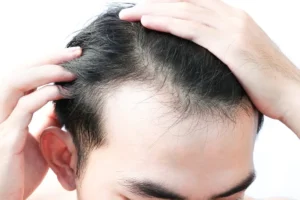
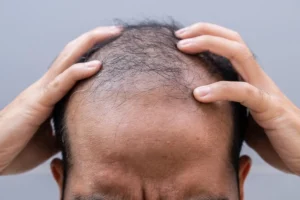
Long hair surgery is a specialized form of hair transplant that focuses on restoring density while preserving the length and style of existing hair. Whether you’re dealing with thinning crowns or a receding hairline, understanding the process can help you make an informed decision and achieve natural‑looking results.
Every year, thousands of individuals seek solutions for hair loss, and advances in techniques such as FUE (Follicular Unit Extraction) and DHI (Direct Hair Implantation) have made long hair surgery more precise and less invasive. At Gold City Hair, we combine these technologies with personalized care to ensure each patient’s goals are met.
This article walks you through the core concepts of long hair surgery, who qualifies, what to expect during the procedure, the financial considerations, and why choosing the right clinic matters. By the end, you’ll have a clear roadmap for achieving a fuller, healthier look.
Understanding Long Hair Surgery: Techniques and Goals
Long hair surgery is designed to transplant follicles without compromising the natural length of existing strands. The primary objective is to enhance volume while maintaining the patient’s preferred hairstyle, which is especially important for those who style their hair long.
Foliküler Ünite Ekstraksiyonu (FUE)
FUE involves harvesting individual hair follicles from a donor area—typically the back of the scalp—using a micro‑punch tool. Each graft is carefully placed into tiny incisions in the recipient zone, allowing for a seamless blend with existing long hair.
Direct Hair Implantation (DHI)
DHI builds on FUE by using a patented implanter pen that inserts grafts directly without the need for preset channels. This method reduces handling time, preserves graft vitality, and provides higher precision for dense placement.
Hairline Transplant
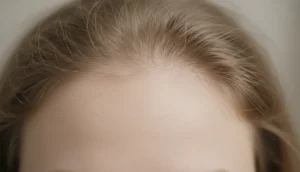
For patients with a receding hairline, a hairline transplant creates a natural fringe that aligns with long hair flow. By layering grafts at varying angles, surgeons can mimic the direction of natural growth, ensuring the final appearance looks authentic.
- Minimally invasive with no linear scar.
- Rapid healing time compared to older strip methods.
- High graft survival rates (up to 95%).
- Customizable density to match long hair styling needs.

Who Is a Good Candidate?
Not everyone is an ideal candidate for long hair surgery. Successful outcomes depend on several factors, including donor hair quality, scalp health, and realistic expectations.
| Criteria | Erkekler | Women |
|---|---|---|
| Stable hair loss pattern (6‑12 months) | ✔ | ✔ |
| Adequate donor area density | ✔ | ✔ |
| No active scalp infections | ✔ | ✔ |
| Realistic expectations about coverage | ✔ | ✔ |
| Non‑smoker or willing to quit before surgery | ✔ | ✔ |
Patients with extensive balding may require multiple sessions to achieve desired density. Those with autoimmune scalp conditions should undergo a thorough evaluation before proceeding.
In addition to physical criteria, a strong motivation to maintain long hair styling plays a pivotal role. The procedure is tailored to integrate new grafts seamlessly with existing strands, delivering a natural look that supports longer hairstyles.
The Procedure Timeline: From Consultation to Recovery
Understanding the timeline helps set realistic expectations and plan for post‑operative care. Below is a typical schedule for a long hair surgery journey.
- Initial Consultation (Week 1): Review medical history, assess donor area, discuss desired density, and outline a personalized plan.
- Pre‑operative Preparation (Week 2): Stop smoking, avoid blood‑thinning medications, and follow scalp cleansing instructions.
- Day of Surgery: Local anesthesia is administered, followed by graft extraction (FUE/DHI) and implantation. The procedure lasts 6‑10 hours depending on the number of grafts.
- Immediate Post‑Op (Day 1‑3): Gentle washing with prescribed shampoo, light scalp massage to reduce swelling.
- First Week: Minimal scabbing; avoid strenuous activity and direct sunlight.
- Weeks 2‑4: Shedding of transplanted hairs (normal shedding phase).
- Months 3‑6: New growth becomes noticeable; patients can resume normal styling, including long hair grooming.
- Month 12: Full results are visible; most patients achieve the planned density and natural look.
Throughout the recovery phase, hair graft survival is monitored, and any necessary adjustments are made. Follow‑up visits ensure the transplant is healing properly and that the final aesthetic aligns with expectations.
Costs, Risks, and Expected Outcomes
Financial planning is a crucial part of any cosmetic procedure. Long hair surgery costs vary based on the number of grafts, technique, and clinic reputation.
| Technique | Average Cost per Graft (USD) | Typical Total Cost (USD) |
|---|---|---|
| FUE | 1.50 – 2.00 | 2,500 – 8,000 |
| DHI | 2.00 – 2.80 | 3,500 – 9,500 |
| Hairline Transplant | 1.80 – 2.50 | 2,800 – 7,500 |
Potential risks include temporary swelling, mild pain, and rare instances of infection. Because long hair surgery preserves existing strands, the risk of visible scarring is minimal, especially with FUE and DHI methods.
When performed by experienced surgeons, the expected outcome is a natural‑looking increase in density that blends with long hair. Most patients report improved confidence and a renewed ability to style their hair without concealment.
Why Choose Gold City Hair
Gold City Hair has been a leading provider of saç restorasyonu in Turkey since 2017. Our clinic combines state‑of‑the‑art FUE and
SSS
What is long hair surgery and how does it differ from a standard hair transplant?
Long hair surgery transplants follicles while preserving the existing length of the hair, unlike standard transplants that often require shaving the donor and recipient areas.
Which techniques are most commonly used for long hair surgery?
The most common techniques are Follicular Unit Extraction (FUE) and Direct Hair Implantation (DHI).
Am I a good candidate for long hair surgery?
Good candidates have stable hair loss, sufficient donor density, healthy scalp, and realistic expectations.
What is the typical timeline from consultation to final results?
The process usually spans 12 months, from the first consultation to full visible results.
How much does long hair surgery cost and what factors influence the price?
Costs range from $2,500 to $9,500 depending on graft count, technique, and clinic reputation.
What are the main risks and how are they minimized?
Risks include temporary swelling, mild pain, and rare infection; they are minimized with experienced surgeons and proper after‑care.