Low level laser therapy (LLLT) has emerged as a non‑invasive solution for individuals battling hair loss. By delivering precise wavelengths of light to the scalp, this technology activates cellular processes that can promote healthier hair follicles. In this article, we explore the science behind low level laser therapy, its advantages over traditional methods, and practical considerations for anyone interested in trying this treatment.
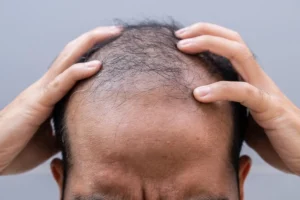
Hair loss affects millions worldwide, with studies showing that up to 40 % of men and 30 % of women experience noticeable thinning by age 35. While medications and surgical transplants remain popular, many patients seek alternatives that are painless, require minimal downtime, and avoid systemic side effects. Low level laser therapy offers a compelling middle ground, delivering measurable results through photobiomodulation without the need for incisions.
We will walk you through how the therapy works, the expected outcomes, device selection tips, and safety guidelines. Whether you are new to the concept or looking to enhance an existing hair restoration plan, this guide provides a comprehensive overview to help you make an informed decision.
How Low Level Laser Therapy Works for Hair Growth
The core principle of low level laser therapy is photobiomodulation—the use of light energy to modulate cellular activity. When specific wavelengths, typically in the red (630–680 nm) or near‑infrared (800–850 nm) spectrum, penetrate the scalp, they are absorbed by mitochondrial chromophores within hair follicle cells. This absorption triggers a cascade of biochemical events:
- Increased adenosine triphosphate (ATP) production, providing more energy for cell repair.
- Enhanced blood flow through vasodilation, delivering oxygen and nutrients.
- Up‑regulation of growth factors such as fibroblast growth factor (FGF) and vascular endothelial growth factor (VEGF).
- Reduction of oxidative stress and inflammation that can impede follicle function.
These mechanisms collectively shift hair follicles from the telogen (resting) phase to the anagen (growth) phase, resulting in thicker, stronger strands over time. Clinical trials have reported a 20‑30 % increase in hair density after 12‑24 weeks of regular sessions, making low level laser therapy a viable adjunct or alternative to medication.
| Component | Effect on Follicles | Typical Wavelength |
|---|---|---|
| ATP Production | Boosts cellular energy for growth | 630‑680 nm (red) |
| Blood Flow | Improves nutrient delivery | 800‑850 nm (near‑infrared) |
| Growth Factors | Stimulates follicle proliferation | 660‑680 nm (red) |
Because the light penetrates only a few millimeters into the skin, the treatment is painless and poses no risk of tissue damage when performed correctly. The process is often referred to as “cold laser therapy,” distinguishing it from high‑power lasers used for cutting or ablation.

Benefits of Low Level Laser Therapy Compared to Other Hair Restoration Options
When evaluating hair loss solutions, it is essential to weigh efficacy, cost, downtime, and potential side effects. Low level laser therapy offers several distinct advantages:
- Non‑invasive: No needles, incisions, or anesthesia are required.
- Minimal side effects: The most common reports are temporary scalp tingling or mild redness.
- Convenient scheduling: Sessions typically last 15‑30 minutes and can be performed in‑office or at home with FDA‑cleared devices.
- Complementary: LLLT can be combined with medications like finasteride or minoxidil for synergistic results.
- Cost‑effective over time: While the upfront price of a quality device ranges from $300 to $2,000, the long‑term cost is often lower than repeated surgical procedures.
In contrast, traditional hair transplant methods such as Follicular Unit Extraction (FUE) or Direct Hair Implantation (DHI) involve surgical extraction and implantation of grafts. These procedures deliver immediate density but come with higher costs, postoperative care, and a risk of scarring.
Red light therapy, a related but distinct modality, utilizes LED panels or masks to emit similar wavelengths. While both red light therapy and low level laser therapy aim to stimulate cellular activity, LLLT typically employs coherent laser light, which can penetrate deeper and provide more uniform energy distribution. This difference can translate to slightly higher efficacy for hair growth, especially in cases of advanced thinning.
| Feature | Low Level Laser Therapy | Red Light Therapy | Surgical Transplant |
|---|---|---|---|
| Invasiveness | Non‑invasive | Non‑invasive | Surgical |
| Recovery Time | None | None | 1‑2 weeks |
| Typical Cost (USD) | $300‑$2,000 | $150‑$1,200 | $3,000‑$15,000 |
| Side Effects | Rare, mild irritation | Rare, mild irritation | Scarring, infection |
| Long‑Term Maintenance | Periodic sessions | Periodic sessions | Potential retreatment |
For patients seeking a gradual, natural‑looking improvement without surgery, low level laser therapy stands out as a scientifically backed, user‑friendly option.
What to Expect During a Low Level Laser Therapy Session
A typical low level laser therapy appointment at Gold City Hair follows a straightforward protocol designed for comfort and consistency. Below is a step‑by‑step overview of what patients can anticipate:
- Danışmanlık: A specialist evaluates the pattern of hair loss, medical history, and sets realistic goals.
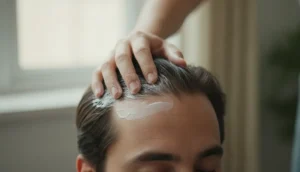
- Scalp Preparation – The area is cleaned and, if needed, a light gel is applied to improve light transmission.
- Device Positioning – The laser cap, panel, or handheld device is positioned to cover the targeted zones.
- Treatment Duration – Sessions usually last between 15 and 30 minutes, during which the patient can relax, read, or use a mobile device.
- Post‑Treatment Care – No special after‑care is required; patients can resume normal activities immediately.
Most treatment plans recommend two to three sessions per week for the first 12 weeks, followed by maintenance sessions once a week or every other week. Consistency is key; the cumulative effect of repeated photobiomodulation drives measurable hair growth.
Patients often report a subtle warming sensation during the session, which is a sign that the light is being absorbed. Unlike high‑power lasers, there is no heat buildup that could cause burns. If a patient experiences discomfort, the technician can adjust the device’s intensity or distance.
For those who prefer at‑home treatment, FDA‑cleared laser caps or combs are available. While home devices provide flexibility, professional supervision ensures optimal placement and adherence to the recommended protocol.
Choosing the Right Device: Red Light vs. Laser Options
The market offers a variety of devices ranging from handheld laser combs to full‑head caps and stationary panels. Selecting the appropriate technology depends on individual goals, budget, and lifestyle. Below are key considerations when comparing red light devices and laser‑based systems:
Wavelength and Coherence
Laser devices emit coherent light, meaning the waves are in phase, allowing deeper penetration (up to 5 mm) into the scalp. Red light LEDs produce non‑coherent light, which generally penetrates less deeply (around 2‑3 mm). For advanced thinning, a laser may deliver more robust stimulation.
Coverage Area
Caps and helmets provide uniform coverage across the entire scalp, ideal for diffuse hair loss. Panels and combs target specific zones, useful for focal balding patterns.
Ease of Use
At‑home caps are hands‑free and can be worn while reading or watching TV. Handheld combs require active movement, which some users find beneficial for stimulating circulation.
Cost and Warranty
Professional‑grade laser helmets typically range from $1,200 to $2,500 and come with multi‑year warranties. Consumer‑grade LED masks and panels may be less expensive but often lack clinical validation.
| Device Type | Light Source | Penetration Depth | Typical Price (USD) | Best For |
|---|---|---|---|---|
| Laser Cap (Professional) | Coherent Laser | 4‑5 mm | $1,500‑$2,500 | Diffuse thinning, full‑scalp treatment |
| LED Panel (Red Light) | Non‑coherent LED | 2‑3 mm | $300‑$1,200 | Targeted areas, budget‑friendly |
| Handheld Laser Comb | Coherent Laser | 3‑4 mm | $400‑$800 | Focal bald spots, active users |
Regardless of the device, ensure it is FDA‑cleared for hair growth and backed by clinical studies. At Gold City Hair, we offer a curated selection of clinically validated systems and provide personalized guidance to match each patient’s specific pattern of loss.
Safety, Side Effects, and Frequently Asked Questions
Low level laser therapy is widely regarded as safe when administered according to manufacturer guidelines and clinical protocols. The most commonly reported side effects are mild and transient:
- Scalp tingling or warmth during treatment.
- Temporary redness that resolves within a few hours.
- Rare reports of headache if the device is positioned too tightly.
Serious adverse events, such as burns or permanent skin changes, have not been documented in reputable studies. The therapy does not emit harmful ultraviolet (UV) radiation, eliminating concerns about skin cancer risk associated with some other light‑based treatments.
Below are concise answers to the most frequent inquiries:
- Is low level laser therapy the same as red light therapy? While both use similar wavelengths, LLLT employs coherent laser light, offering deeper tissue penetration and often higher efficacy for hair growth.
- How long does it take to see results? Most patients notice visible improvement after 12‑24 weeks of consistent sessions, though individual response varies.
- Can the treatment be combined with medication? Yes, LLLT works synergistically with finasteride, minoxidil, and platelet‑rich plasma (PRP) therapies.
- Is the procedure covered by insurance? Currently, most insurance plans consider low level laser therapy an elective cosmetic service and do not provide coverage.
- What is the cost of a full treatment course? Professional in‑clinic programs typically range from $800 to $1,500 for a 12‑week package, while home devices require a one‑time purchase.
Before beginning treatment, a thorough scalp examination is essential to rule out underlying conditions such as fungal infections or alopecia areata, which may require different interventions.
Why Choose Gold City Hair for Low Level Laser Therapy
Gold City Hair combines cutting‑edge technology with a personalized approach to hair restoration. Since 2017, our clinic in Turkey has delivered proven low level laser therapy protocols under the supervision of experienced dermatologists and hair restoration specialists. We prioritize transparent communication, thorough scalp analysis, and a treatment plan tailored to each individual’s loss pattern and lifestyle. By choosing Gold City Hair, patients benefit from clinically validated devices, a comfortable clinical environment, and ongoing support throughout their hair growth journey.
Ready to revitalize your hair with low level laser therapy? Contact Gold City Hair today to schedule a free consultation and discover a customized plan that fits your goals.
Take the first step toward thicker, healthier hair—book your appointment now.
SSS
How does low level laser therapy stimulate hair growth?
LLLT uses photobiomodulation to increase ATP production, improve blood flow, and up‑regulate growth factors, shifting follicles from the resting to the growth phase.
What are the main benefits of low level laser therapy over surgical hair transplants?
LLLT is non‑invasive, has minimal side effects, lower long‑term cost, and requires no downtime, unlike surgical transplants which involve incisions and recovery time.
Is low level laser therapy safe and are there any side effects?
Yes, LLLT is considered safe when FDA‑cleared devices are used; the most common side effects are mild scalp tingling or temporary redness.
How often should I undergo low level laser therapy sessions for best results?
Most protocols recommend 2‑3 sessions per week for the first 12 weeks, followed by maintenance once weekly or every other week.
Can I use at‑home laser devices instead of professional treatment?
Yes, FDA‑cleared at‑home laser caps or combs are available, but professional supervision ensures optimal placement and protocol adherence.
What is the difference between red light therapy and low level laser therapy for hair loss?
Red light therapy uses non‑coherent LEDs, while LLLT uses coherent laser light that penetrates deeper and delivers more uniform energy.