Bu male pattern baldness gene is a key factor behind the most common type of hair loss in men, known medically as androgenetic alopecia. Over 40% of men begin to notice thinning by age 30, and by 60, nearly 80% are affected. This article explores what the gene is, how it drives hair loss, options for genetic testing, and the most effective ways to manage its impact, including advanced transplant techniques offered by Gold City Hair.
We will start by breaking down the science of the gene itself, then move on to how it translates into the characteristic receding hairline and crown thinning. Next, you’ll learn about reliable testing methods that can confirm whether you carry the genetic predisposition. Finally, we’ll discuss proven medical and surgical treatments that can restore confidence and hair density, even when the gene is present.
Whether you are just noticing early signs or have been dealing with thinning for years, understanding the genetic component empowers you to make informed decisions about prevention and restoration.
What Is the Male Pattern Baldness Gene?
The primary driver of male pattern baldness is the AR (androgen receptor) gene, located on chromosome 23. Variants of this gene increase the sensitivity of hair follicles to dihydrotestosterone (DHT), a hormone derived from testosterone. When DHT binds to the receptors, it triggers follicular mini‑miniaturization, shortening the growth phase and producing finer hairs.
Other genes also play supporting roles, including:
- WNT10A – influences hair follicle development.
- FGF5 – regulates the transition from growth to resting phase.
- HDAC9 – linked to hair cycle regulation.
Collectively, these genetic factors create a predisposition that can be amplified by hormonal changes and environmental influences. While the term “male pattern baldness gene” is often used as a shorthand, the reality is a polygenic landscape where multiple variants interact.

How the Gene Influences Hair Loss Patterns
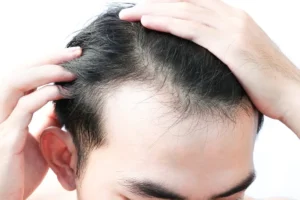
When the male pattern baldness gene is active, DHT binds more aggressively to scalp follicles, especially in the frontal and vertex regions. This results in the classic “M” shaped receding hairline and thinning crown that define androgenetic alopecia. The process unfolds in stages:
Stage 1: Early Miniaturization
Hair follicles shrink, producing thinner, shorter hairs that are less pigmented. This stage often goes unnoticed until the density visibly drops.
Stage 2: Progressive Thinning
Continued DHT exposure leads to further follicle shrinkage, accelerating hair loss. The pattern becomes more pronounced, especially in genetically susceptible individuals.
Stage 3: Advanced Balding
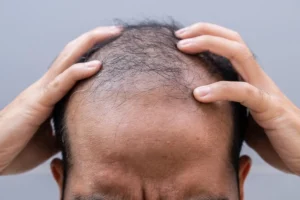
In many cases, follicles may cease producing hair altogether, resulting in bald patches.
Below is a comparison of typical onset ages and expected hair loss severity for individuals with and without the high‑risk AR variant:
| Characteristic | With High‑Risk Variant | Without High‑Risk Variant |
|---|---|---|
| Average Onset Age | Early 20s | Late 30s–40s |
| Hairline Recession Rate | Fast (1–2 cm per year) | Slow (0.5 cm per year) |
| Likelihood of Full Baldness by 50 | 70% | 30% |
Understanding these patterns helps clinicians tailor treatment plans that target the underlying hormonal pathways.
Can You Test for the Male Pattern Baldness Gene?
Genetic testing for the male pattern baldness gene is now widely accessible through both clinical labs and direct‑to‑consumer DNA kits. These tests analyze specific single‑nucleotide polymorphisms (SNPs) in the AR gene and related loci to estimate your risk.
Testing options include:
- Clinical Dermatology Panels – ordered by a dermatologist, often combined with hormone level assessments.
- Direct‑to‑Consumer Kits – such as 23andMe or MyHeritage, which provide a risk score alongside ancestry data.
- Specialized Hair‑Loss Genetic Tests – offered by clinics focused on hair restoration, providing detailed reports on multiple hair‑related genes.
Results are presented as a probability (e.g., 70% chance of developing androgenetic alopecia). While a high risk does not guarantee baldness, it signals the importance of early intervention.
It’s advisable to discuss test outcomes with a qualified hair‑restoration specialist, who can translate genetic risk into a personalized treatment roadmap.
Managing Hair Loss When the Gene Is Present
Carrying the male pattern baldness gene does not mean you are powerless. A combination of medical, surgical, and lifestyle strategies can significantly slow progression and restore density.
Medical Therapies
- Finasterid – an oral 5‑alpha‑reductase inhibitor that reduces DHT production.
- Minoxidil – a topical vasodilator that prolongs the growth phase of hair follicles.
- Low‑Level Laser Therapy (LLLT) – stimulates cellular activity in the scalp.
Surgical Options
Gold City Hair specializes in state‑of‑the‑art transplant techniques that relocate healthy follicles from the donor area to balding zones. The most popular methods include:
| Technique | Key Benefits | Typical Recovery |
|---|---|---|
| FUE (Follicular Unit Extraction) | Minimally invasive, no linear scar | 7–10 days |
| DHI (Doğrudan Saç İmplantasyonu) | Higher graft survival, precise placement | 5–9 days |
Both procedures can achieve natural‑looking density, especially when performed by experienced surgeons who understand the genetic patterns of hair loss.
Lifestyle Factors That Can Mitigate Gene Effects
While genetics set the stage, lifestyle choices can influence the severity of hair loss linked to the male pattern baldness gene. Incorporating the following habits may help preserve existing hair and support new growth:
- Balanced Nutrition – Adequate protein, iron, zinc, and biotin support follicle health.
- Stress Management – Chronic stress elevates cortisol, which can exacerbate DHT activity.
- Avoid Harsh Styling – Limit tight hairstyles and excessive heat that damage follicles.
- Regular Scalp Massage – Improves blood flow and may enhance nutrient delivery.
Combining these habits with medical or surgical treatment creates a comprehensive approach that addresses both the root cause and its visible manifestations.
Why Choose Gold City Hair
Gold City Hair has been delivering personalized hair restoration solutions in Turkey since 2017. Our clinic combines cutting‑edge FUE and DHI techniques with a patient‑first philosophy, ensuring transparent communication at every step. With a focus on natural results and lasting confidence, we tailor each treatment plan to the individual’s genetic profile and aesthetic goals.
Ready to take control of your hair future? Contact Gold City Hair today to schedule a personalized consultation and discover the most effective solutions for your genetic profile.
Regain confidence with our expert team and state‑of‑the‑art transplant methods.
SSS
What is the male pattern baldness gene and how does it cause hair loss?
The male pattern baldness gene primarily refers to variants of the AR (androgen receptor) gene that increase follicle sensitivity to DHT, leading to miniaturization of hair follicles.
How can I test for the male pattern baldness gene?
Genetic testing can be done through clinical dermatology panels, direct‑to‑consumer DNA kits, or specialized hair‑loss genetic tests that analyze SNPs in the AR gene and related loci.
What medical treatments are effective for hair loss caused by the male pattern baldness gene?
Finasteride, minoxidil, and low‑level laser therapy are the most widely used medical options that target DHT production, prolong the growth phase, and stimulate follicular activity.
What are the differences between FUE and DHI hair transplant techniques?
FUE extracts individual follicular units without a linear scar, while DHI implants grafts directly using a specialized implanter, offering higher graft survival and precise placement.
Can lifestyle changes reduce the impact of the male pattern baldness gene?
Yes, balanced nutrition, stress management, gentle hair care, and scalp massage can help preserve existing hair and support new growth alongside medical or surgical treatments.