Male pattern baldness stages refer to the progressive pattern of hair loss that many men experience as they age. Recognizing these stages early can help you choose the most effective treatment and maintain confidence. In fact, more than 30% of men begin to notice thinning before the age of 30, making early detection crucial. This article walks you through each stage, explains the underlying cause known as androgenetic alopecia, and outlines tailored solutions from lifestyle changes to advanced hair restoration techniques.
We’ll start by identifying the subtle signs that signal the beginning of hair loss, then move on to the widely used Norwood scale that categorizes the severity of the condition. Understanding how the stages differ empowers you to make informed decisions about medication, non‑surgical options, and surgical procedures such as FUE or DHI hair transplants offered by Gold City Hair.
Whether you are just noticing a receding hairline or have already reached advanced stages, this guide provides a clear roadmap to manage and treat male pattern baldness effectively.
Identifying the Early Signs of Male Pattern Baldness
The first male pattern baldness stages often appear as subtle thinning rather than full bald spots. Early detection is essential because interventions are most successful when hair follicles are still viable.
Common Early Indicators
- Gradual thinning at the temples (often called an “M” shape).
- Increased visibility of the scalp on the crown.
- Miniaturization of hair strands, making them finer and shorter.
- More hair shed during washing or brushing.
These signs usually correspond to Norwood 1 or Norwood 2, where the hairline begins to recede but the overall density remains relatively high.
| Stage | Typical Appearance | Key Symptoms |
|---|---|---|
| Norwood 1 | Normal hairline, no recession | Minor shedding, no visible thinning |
| Norwood 2 | Receding temples, slight “M” shape | Thinning at temples, fine hairs |
| Norwood 3 | More pronounced temple recession | Noticeable scalp, early crown thinning |
Monitoring these early changes allows you to start preventive measures before the condition progresses to more severe stages.
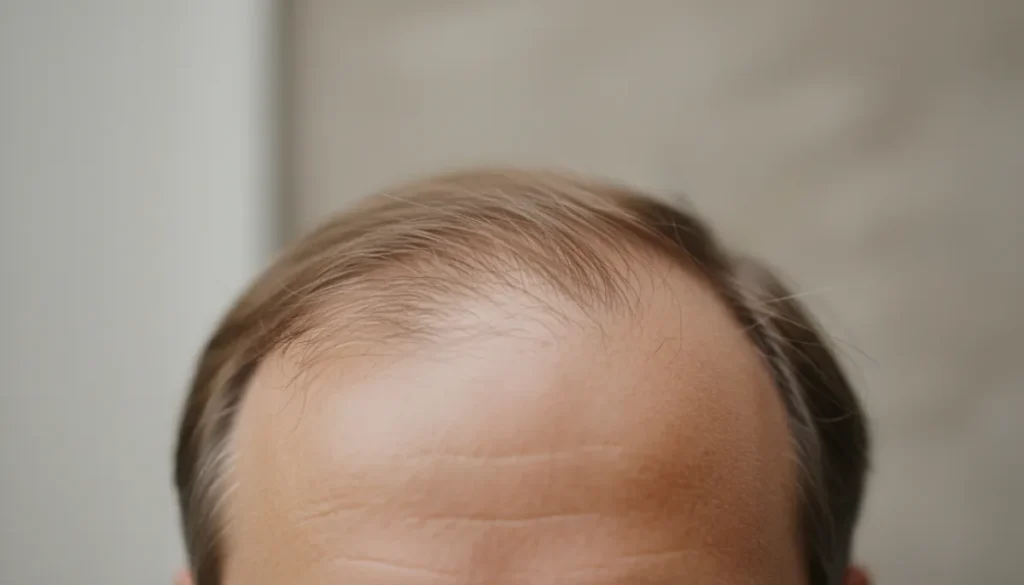
Understanding the Norwood Scale: From Stage 1 to Stage 7
Bu Norwood scale—also known as the Hamilton‑Norwood classification—is the most widely accepted system for describing the progression of male pattern baldness. It provides a clear visual reference for both patients and clinicians, helping to match treatment options with the appropriate stage.
What the Scale Measures
The scale evaluates three main areas: the frontal hairline, the vertex (crown), and the overall density of remaining hair. Each numbered stage reflects a distinct pattern of recession and balding.
| Norwood Stage | Description | Typical Treatment |
|---|---|---|
| Stage 1 | Minimal recession, normal density | Topical minoxidil, lifestyle changes |
| Stage 2 | Receding temples, slight “M” shape | Finasteride, early PRP therapy |
| Stage 3 | Deepening temple recession, possible vertex thinning | Combination medication, PRP, consider future transplant |
| Stage 4 | Significant hair loss at temples and vertex, but some hair remains | Advanced PRP, hair transplant planning |
| Stage 5 | Hair loss connects across the top, limited frontal hair | FUE or DHI hair transplant, extensive medication |
| Stage 6 | Only a narrow band of hair remains on the sides | Full‑coverage transplant, possible scalp micropigmentation |
| Stage 7 | Only a small strip of hair on the sides and back | Comprehensive transplant, cosmetic camouflage |
By pinpointing whether you are at Norwood 2, Norwood 3, or a later stage, you can discuss targeted solutions with your specialist. The scale also helps set realistic expectations for hair regrowth and density.
Progression of Androgenetic Alopecia and Its Impact
Androgenetic alopecia, the medical term for male pattern baldness, is driven by genetic sensitivity to dihydrotestosterone (DHT). Over time, DHT shortens the hair growth cycle, leading to the male pattern baldness stages we observe.
Key Factors Influencing Progression
- Genetic predisposition: family history determines follicle sensitivity.
- Hormonal changes: increased DHT levels accelerate miniaturization.
- Age: the condition typically worsens with advancing age.
- Environmental stressors: smoking, poor nutrition, and chronic stress can exacerbate loss.
Understanding these factors helps you adopt a proactive approach. For example, men with a strong family history may benefit from early medical intervention, while lifestyle modifications can slow the rate of progression.
Research shows that men who begin treatment during the early Norwood stages experience up to 30% better long‑term hair density compared to those who wait until later stages. This underscores the importance of early diagnosis and a tailored treatment plan.
Treatment Options Aligned with Each Baldness Stage
Effective management of male pattern baldness stages involves matching the right therapy to the specific level of hair loss. Below is a concise guide linking stages to proven treatments.
Medical Therapies
- Minoxidil (topical): Ideal for early stages (Norwood 1‑3) to stimulate follicle activity.
- Finasterid (oral): Works best when started in the moderate stages (Norwood 2‑4) to block DHT production.
- Low‑level laser therapy: Supports hair density in stages 2‑5.
Non‑Surgical Procedures
- Platelet‑Rich Plasma (PRP): Recommended for stages 3‑5 to improve follicle health.
- Scalp Micropigmentation: Cosmetic camouflage for advanced stages (6‑7).
Surgical Hair Restoration
When the male pattern baldness stages reach Norwood 4 or higher, permanent restoration becomes a viable option. Gold City Hair specializes in:
- Foliküler Ünite Ekstraksiyonu (FUE): Harvests individual follicles for natural‑looking results.
- Direct Hair Implantation (DHI): Offers higher graft survival rates and precise placement.
- Eyebrow and beard transplants for patients seeking comprehensive facial hair restoration.
Each surgical method is customized based on donor area quality, scalp laxity, and the desired density. Combining medication with a transplant often yields the most robust, long‑lasting outcomes.
Lifestyle Tips to Slow Down Hair Loss
While medical and surgical interventions address the symptoms, everyday habits can influence the speed of progression through the male pattern baldness stages.
Nutrition and Supplements
- Consume foods rich in biotin, zinc, and omega‑3 fatty acids.
- Consider a daily multivitamin that includes iron and vitamin D.
Stress Management
- Practice regular exercise, meditation, or yoga to lower cortisol levels.
- Ensure 7‑8 hours of quality sleep each night.
Scalp Care
- Use a gentle, sulfate‑free shampoo to keep follicles healthy.
- Avoid tight hairstyles that create tension on the hairline.
- Massage the scalp for a few minutes daily to improve blood flow.
Adopting these habits can help you how to prevent baldness and may enhance the effectiveness of any medical treatment you pursue.
Why Choose Gold City Hair for Your Hair Restoration Journey
Gold City Hair has been delivering personalized hair restoration solutions in Turkey since 2017. Our clinic combines the latest FUE and DHI techniques with a transparent, patient‑focused approach. Every treatment plan is tailored to your specific male pattern baldness stage, ensuring optimal results and a smooth recovery. Trust our experienced team to guide you from diagnosis through post‑procedure care, helping you regain confidence and a natural‑looking hairline.
Ready to take control of your hair loss? Contact Gold City Hair today to schedule a personalized consultation and discover the best treatment for your stage of baldness.
Start your transformation now and experience the confidence that comes with a fuller, healthier head of hair.
SSS
What are the early signs of male pattern baldness?
Early signs include subtle thinning at the temples, a receding hairline forming an “M” shape, increased scalp visibility on the crown, and finer, shorter hair strands.
How does the Norwood scale classify hair loss stages?
The Norwood scale grades male pattern baldness from Stage 1 (minimal recession) to Stage 7 (extensive hair loss), focusing on the frontal hairline, vertex, and overall density.
What causes androgenetic alopecia?
Androgenetic alopecia is driven by genetic sensitivity to dihydrotestosterone (DHT), which shortens the hair growth cycle and miniaturizes follicles.
Which treatments are effective for each Norwood stage?
Early stages (1‑3) benefit from minoxidil and lifestyle changes; moderate stages (2‑4) add finasteride and PRP; advanced stages (5‑7) often require FUE, DHI, or scalp micropigmentation.
Can lifestyle changes slow down hair loss?
Yes, a balanced diet, stress reduction, proper scalp care, and avoiding tight hairstyles can help slow the progression of hair loss.
What is the difference between FUE and DHI hair transplants?
FUE extracts individual follicles for implantation, while DHI uses a specialized pen to place grafts directly, offering higher survival rates and more precise placement.





