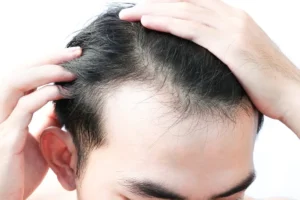
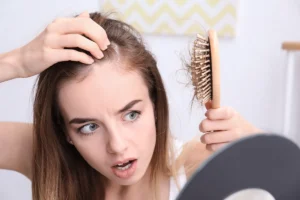
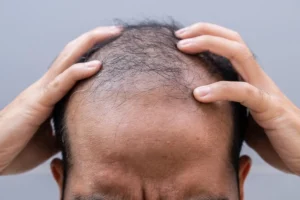
Alopecia oily scalp is a common concern that combines two challenging hair issues: excessive scalp oil and hair loss. When the scalp produces too much sebum, hair follicles can become clogged, leading to weakened strands and, over time, noticeable thinning. Understanding this connection is essential for anyone looking to preserve hair density and boost confidence.
Recent dermatology surveys indicate that up to 30% of individuals experiencing early‑stage alopecia also report an oily scalp. This overlap often results in frustration because typical hair‑loss treatments may not address the underlying oil imbalance. In this article, we explore the science behind oily scalp alopecia, identify the main contributors, and provide a step‑by‑step care plan that balances scalp health with effective hair‑restoration strategies.
Whether you are dealing with greasy hair, an overactive sebaceous gland, or simply want to prevent further hair loss, the guidance below will help you create a personalized routine and know when professional help is needed.
Understanding the Link Between Oily Scalp and Alopecia
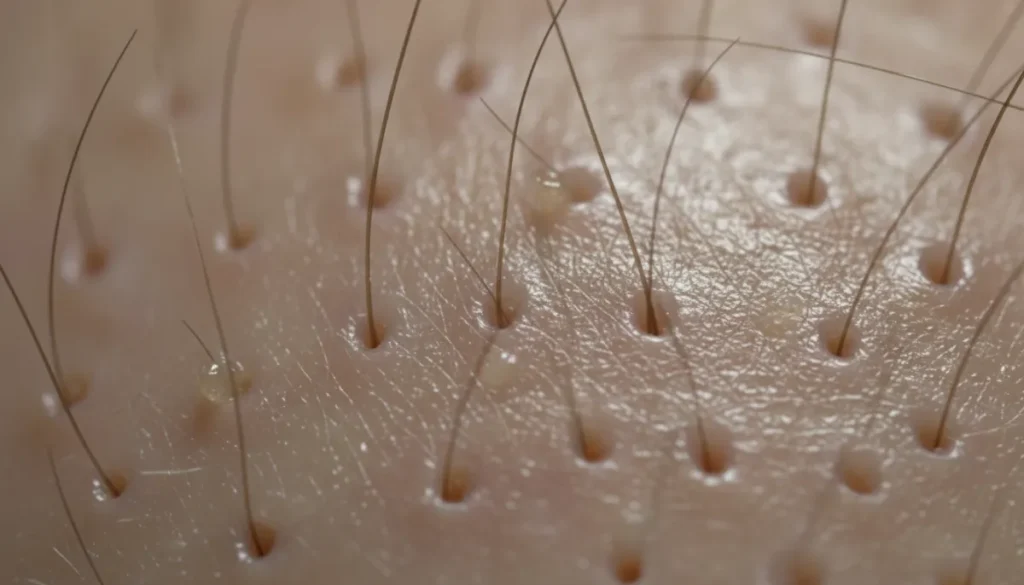
The relationship between scalp oiliness and hair loss is often underestimated. Excess sebum can create a micro‑environment that blocks hair follicles, reduces oxygen flow, and encourages inflammation—all factors that accelerate alopecia. While genetics play a primary role in hair loss, the condition of the scalp surface can either mitigate or exacerbate the process.
Key points to consider:
- Sebum overproduction can trap dirt and dead skin cells, forming a plug that hinders follicle function.
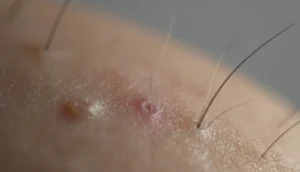
- Clogged pores may lead to folliculitis, an inflammation that weakens hair shafts.
- Excess oil can alter the scalp’s pH, encouraging the growth of Malassezia yeast, which is linked to dandruff and further irritation.
Research shows that individuals with an oily scalp often experience a faster progression from telogen (resting phase) to anagen (growth phase) disruption, resulting in thinner hair strands within months.
Common Causes of Oily Scalp and Hair Loss
Identifying the root causes of an oily scalp is the first step toward effective treatment. Below is a table summarizing the most frequent contributors and how they interact with alopecia.
| Cause | How It Affects Sebum Production | Impact on Hair Loss |
|---|---|---|
| Hormonal Imbalance | Elevated androgens stimulate sebaceous glands. | Accelerates follicle miniaturization, leading to thinning. |
| Genetik Yatkınlık | Inherited overactive glands. | Increases susceptibility to both oily scalp and androgenic alopecia. |
| Improper Hair Care | Frequent washing with harsh shampoos strips natural oils, prompting rebound oil production. | Can cause scalp irritation and follicle stress. |
| Dietary Factors | High‑glycemic foods and excessive dairy may boost sebum output. | Inflammatory diet can aggravate hair‑follicle health. |
| Stres | Triggers cortisol release, which can indirectly increase oil. | Stress‑related telogen effluvium adds to existing alopecia. |
Addressing these underlying issues often yields better results than simply applying topical treatments. For instance, managing stress through mindfulness or adjusting diet to lower glycemic load can reduce sebum levels and support healthier hair growth.
Effective Scalp Care Routine for Oily Hair and Alopecia
Creating a balanced routine helps control oil while protecting fragile hair follicles. Below is a step‑by‑step guide that incorporates both cleansing and nourishment without over‑stripping the scalp.
- Gentle Cleansing: Use a sulfate‑free, pH‑balanced shampoo designed for oily hair. Massage the scalp for 2‑3 minutes to loosen excess oil, then rinse with lukewarm water.
- Targeted Exfoliation: Once a week, apply a scalp scrub containing salicylic acid or tea tree oil to remove dead skin cells and reduce follicle blockage.
- Lightweight Conditioner: Apply conditioner only to the mid‑lengths and ends, avoiding the scalp to prevent additional greasiness.
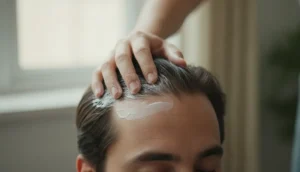
- Scalp Serum: Choose a serum with niacinamide or zinc pyrithione to regulate sebum production and calm inflammation.
- Cold Water Rinse: Finish with a cool rinse to close cuticles and reduce oil sheen.
Additional tips:
- Limit hair washing to 2‑3 times per week; over‑washing can trigger rebound oil.
- Avoid heavy styling products such as waxes or pomades that can weigh down hair and trap oil.
- Use a silk pillowcase to reduce friction and keep scalp oils from spreading.
Consistent adherence to this routine can lower scalp oil by up to 40% within a month, creating a healthier environment for hair follicles to thrive.
Professional Treatments and When to See a Dermatologist
While a diligent home routine is vital, certain cases require clinical intervention. Dermatologists can diagnose the exact type of alopecia and recommend targeted therapies that address both hair loss and oiliness.
Common professional options include:
- Prescription Topicals: Formulations containing ketoconazole or corticosteroids reduce scalp inflammation and sebum production.
- Laser Therapy: Low‑level laser devices stimulate follicular activity and can improve scalp oil regulation.
- Platelet‑Rich Plasma (PRP): Injections deliver growth factors that promote hair regrowth while also modulating gland activity.
- Chemical Peels: Super‑ficial peels with glycolic or salicylic acid help exfoliate the scalp surface, decreasing oil buildup.
Schedule a consultation if you notice any of the following warning signs:
- Rapid increase in hair shedding accompanied by persistent greasiness.
- Redness, itching, or flaking that does not improve with over‑the‑counter products.
- Sudden changes in hair texture or noticeable bald patches.
Early professional assessment can prevent further follicle damage and align treatment plans with your specific scalp condition.
Lifestyle Adjustments to Reduce Sebum Production
Long‑term control of an oily scalp often hinges on lifestyle choices that influence hormone balance and overall skin health. Simple modifications can complement medical and topical therapies.
Effective adjustments include:
- Balanced Nutrition: Incorporate omega‑3 fatty acids, antioxidants, and low‑glycemic foods to stabilize hormone levels.
- Hydration: Adequate water intake helps maintain skin elasticity and can moderate oil secretion.
- Stress Management: Practices such as yoga, meditation, or regular exercise lower cortisol, indirectly reducing sebum.
- Avoid Heat Styling: Excess heat can stimulate the scalp’s oil glands and weaken hair shafts.
- Regular Sleep Schedule: Quality sleep supports cellular repair and hormonal regulation.
By integrating these habits, many individuals notice a gradual decline in scalp greasiness and an improvement in hair density over several months.
Why Choose Gold City Hair for Your Hair Restoration Needs
Gold City Hair combines cutting‑edge hair‑transplant techniques with a deep understanding of scalp health. Since 2017, our clinic in Turkey has helped thousands of clients overcome alopecia, including those with oily scalp concerns. Our team offers personalized consultations, transparent communication, and a full range of treatments—from FUE and DHI transplants to medically supervised scalp care programs. Trust a clinic that prioritizes both aesthetic results and long‑term scalp wellness.
Ready to regain confidence with healthier hair? Contact Gold City Hair today to schedule a personalized assessment and discover a treatment plan tailored to your oily scalp and alopecia needs.
Take the first step toward a refreshed look—your journey to lasting hair restoration starts now.
SSS
How does an oily scalp contribute to alopecia?
Excess oil clogs follicles, reduces oxygen flow, and triggers inflammation, which can accelerate hair loss.
What are the main causes of an oily scalp in people with alopecia?
Hormonal imbalance, genetics, improper hair care, diet, and stress are the primary contributors.
What is an effective daily scalp care routine for oily hair and alopecia?
Use a sulfate‑free shampoo, weekly scalp exfoliation, lightweight conditioner, sebum‑regulating serum, and finish with a cool rinse.
When should someone with an oily scalp see a dermatologist?
If rapid hair shedding, persistent greasiness, redness, itching, or flaking occur despite home care, professional evaluation is needed.
How do lifestyle changes affect sebum production and hair health?
Balanced nutrition, adequate hydration, stress reduction, limited heat styling, and regular sleep can lower sebum and support hair growth.
What professional treatments are available for oily scalp alopecia?
Options include prescription topicals, low‑level laser therapy, PRP injections, and superficial chemical peels.