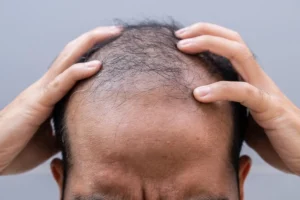
When you search for med for alopecia, you’re looking for evidence‑based treatments that can halt or reverse hair loss. Alopecia affects millions worldwide, yet many patients are unsure which medication or therapy fits their specific condition. This article breaks down the most common medical approaches, explains how they work, and highlights when a surgical solution may be more appropriate.
According to recent dermatology surveys, up to 40 % of adults experience noticeable thinning by age 35, and a significant portion turn to medication as their first line of defense. Understanding the underlying cause—whether hormonal, autoimmune, or genetic—helps you choose the right regimen and set realistic expectations.
We’ll explore oral pills such as finasteride, topical agents, emerging hair growth products, and the role of professional hair transplant techniques. By the end, you’ll have a clear roadmap for managing alopecia safely and effectively.
Understanding Alopecia: Types and Causes
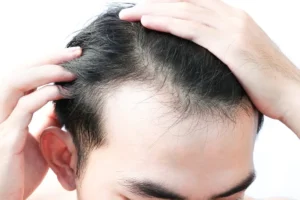
Alopecia is not a single disease but a collection of conditions that lead to hair loss. Recognizing the specific type is essential before selecting med for alopecia. The most common forms include:
- Androgenetic alopecia – often called male or female pattern baldness, driven by dihydrotestosterone (DHT).
- Alopecia areata – an autoimmune attack that creates round, smooth patches.
- Telogen effluvium – temporary shedding due to stress, illness, or hormonal changes.
- Scarring alopecia (cicatricial) – permanent loss caused by inflammation that destroys follicles.
Each type responds differently to medication. For example, finasteride targets DHT and is most effective for androgenetic alopecia, while corticosteroid injections are standard for alopecia areata. Lifestyle factors—nutrition, stress management, and scalp health—also influence treatment outcomes.

Oral Medications: Finasteride and Other Systemic Options
Oral medication remains a cornerstone for many patients seeking med for alopecia. The most widely prescribed pill is finasteride, a 5‑alpha‑reductase inhibitor that reduces DHT levels, thereby slowing follicular miniaturization.
Finasteride: Dosage and Expected Results
Typical regimens start at 1 mg per day for men, with some clinicians prescribing 5 mg for severe cases. Women of childbearing age are generally advised against using finasteride due to potential teratogenic effects.
| Dosage | Target Group | Typical Outcome (6‑12 months) | Common Side Effects |
|---|---|---|---|
| 1 mg daily | Men with early‑stage androgenetic alopecia | 15‑25 % increase in hair density | Mild sexual dysfunction, decreased libido |
| 5 mg daily | Men with advanced baldness therapy needs | 25‑35 % increase in hair density | Higher incidence of hormonal changes |
Other systemic options include dutasteride (a more potent DHT blocker) and low‑dose oral minoxidil, which can stimulate the anagen phase. While these drugs can be effective, they require regular blood work to monitor liver function and hormone levels.
When Oral Meds May Not Be Sufficient
Patients with alopecia areata often need immunomodulatory agents such as oral corticosteroids or JAK inhibitors. These are prescribed under strict medical supervision because of potential systemic impacts.
Topical Treatments and Hair Growth Products
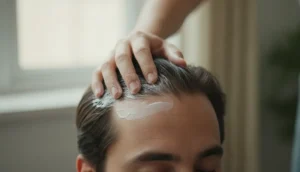
Topical solutions are often the first line of defense for those hesitant to take oral medication. They can be used alone or in combination with systemic pills, providing a multi‑pronged approach to med for alopecia.
Key Topical Agents
- Minoxidil (2 % or 5 %) – the only FDA‑approved topical for both men and women; stimulates blood flow and prolongs the growth phase.
- Ketoconazole shampoo – an antifungal that also reduces scalp inflammation and DHT locally.
- Platelet‑rich plasma (PRP) serums – autologous growth factors applied to the scalp to encourage follicular activity.
- Natural extracts – caffeine, saw palmetto, and biotin‑rich formulas that support hair health.
When selecting a product, consider the concentration, application frequency, and any potential irritation. Consistency is crucial; most users see measurable improvement after three to six months of daily use.
Comparison of Popular Topical Products
| Product | Active Ingredient | Application Frequency | Typical Results Timeline |
|---|---|---|---|
| Minoxidil Foam | 2 % or 5 % minoxidil | Twice daily | 3‑6 months |
| Ketoconazole Shampoo | 2 % ketoconazole | 3‑4 times/week | 2‑4 months |
| PRP Serum | Autologous platelets | Every 4‑6 weeks (clinic) | 4‑8 months |
| Caffeine‑Biotin Lotion | Caffeine, biotin, niacin | Daily | 4‑5 months |
Topical treatments are generally safe, but users should monitor for scalp irritation, dryness, or allergic reactions. If side effects appear, adjust frequency or switch to a milder formulation.
When Medication Isn’t Enough: Role of Hair Transplant Surgery
Even with the best med for alopecia, some individuals reach a point where medication alone cannot restore desired density. In such cases, surgical restoration offers a permanent solution that works in harmony with medical therapy.
Advanced Transplant Techniques
- Foliküler Ünite Ekstraksiyonu (FUE) – individual follicles are harvested and implanted, leaving minimal scarring.
- Direct Hair Implantation (DHI) – uses a specialized implanter pen for precise placement and higher graft survival.
- Eyebrow and Beard Transplants – targeted restoration for facial hair, often requested alongside scalp procedures.
Choosing Between FUE and DHI
| Technique | Procedure Time | Scarring | Graft Survival Rate |
|---|---|---|---|
| FUE | 6‑10 hours (depends on graft count) | Micro‑punctate, virtually invisible | 85‑90 % |
| DHI | 8‑12 hours | Similar to FUE, but no need for recipient site incisions | 90‑95 % |
Both methods are performed under local anesthesia and offer natural‑looking results. Patients often combine surgery with ongoing finasteride or minoxidil to preserve existing hair and enhance graft longevity.
Managing Expectations and Lifestyle Support
Successful treatment of alopecia goes beyond medication and surgery; it requires realistic expectations and supportive lifestyle habits. Understanding what med for alopecia can realistically achieve helps patients stay motivated throughout the journey.
Key Lifestyle Factors
- Beslenme – adequate protein, iron, zinc, and omega‑3 fatty acids support follicle health.
- Stress Reduction – chronic stress elevates cortisol, which can exacerbate telogen effluvium.
- Scalp Care – gentle cleansing, avoiding harsh chemicals, and regular massage improve circulation.
- Sleep Quality – 7‑9 hours per night promotes hormonal balance essential for hair growth.
Patients should also schedule regular follow‑ups with their dermatologist or hair restoration specialist to monitor progress, adjust dosages, and address any side effects promptly.
Finally, remember that hair regrowth is a gradual process. Visible improvement may take several months, and maintaining the regimen is vital for lasting results.
Why Choose Gold City Hair
Gold City Hair combines cutting‑edge medical expertise with world‑class surgical facilities in Turkey. Since 2017, we have helped thousands regain confidence through personalized hair restoration plans that integrate proven medications, advanced topical formulas, and the latest transplant techniques. Our team prioritizes transparent communication, ensuring every patient understands their options and expected outcomes.
Ready to start your journey toward fuller, healthier hair? Contact Gold City Hair today to schedule a free consultation and discover the most effective med for alopecia tailored to your needs.
Take the first step—your confidence is waiting.
SSS
What are the most common medical treatments for alopecia?
The most common treatments include oral finasteride, oral dutasteride, low‑dose oral minoxidil, topical minoxidil, ketoconazole shampoo, and PRP serums.
How does finasteride work to treat hair loss?
Finasteride blocks the conversion of testosterone to DHT, reducing the hormone that shrinks hair follicles.
What are the differences between FUE and DHI hair transplant techniques?
FUE extracts individual follicles and implants them, while DHI uses a pen‑style implanter for direct placement with higher graft survival.
Can topical minoxidil be used for both men and women?
Yes, minoxidil is the only FDA‑approved topical treatment for hair loss in both genders.
When should someone consider hair transplant surgery over medication?
Surgery is considered when medication no longer provides sufficient density or when rapid, permanent results are desired.
What lifestyle changes can support hair regrowth while using med for alopecia?
A balanced diet, stress management, proper scalp care, and adequate sleep can enhance treatment outcomes.