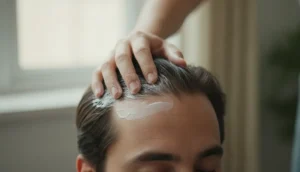
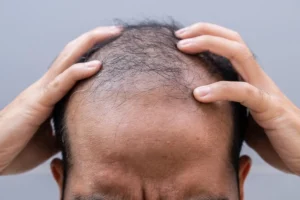
Menopause hair loss is a common concern for many women navigating the hormonal changes of midlife. As estrogen levels decline, hair follicles can become more vulnerable, leading to thinning, shedding, and a noticeable reduction in volume. This article explains why hair loss occurs during menopause, how to recognize the early signs, and which treatment paths—both non‑surgical and surgical—offer lasting results. According to recent dermatology studies, up to 40 % of women report increased hair shedding during the menopausal transition, making awareness and early intervention essential for preserving confidence and scalp health.
We will explore the biological drivers behind the condition, differentiate it from other forms of alopecia, and outline practical steps you can take today. Whether you are looking for lifestyle adjustments, topical therapies, or a professional hair transplant, understanding the full spectrum of options empowers you to make informed decisions.
By the end of this guide, you will have a clear roadmap for managing menopause‑related hair thinning and restoring a fuller, healthier appearance.
What Causes Hair Loss During Menopause?
The primary trigger for menopause hair loss is the shift in hormone balance, especially the drop in estrogen and relative increase in androgens such as dihydrotestosterone (DHT). This hormonal environment can accelerate the miniaturization of hair follicles, a process similar to androgenetic alopecia in men.
Key factors include:
- Reduced estrogen production, which normally prolongs the growth phase of hair.
- Elevated DHT levels that shorten the anagen (growth) phase.
- Stress and cortisol spikes that push hair into the telogen (resting) phase.
- Nutrient deficiencies, particularly iron, zinc, and biotin, which are vital for keratin synthesis.
- Underlying medical conditions such as thyroid disorders or polycystic ovary syndrome (PCOS) that can compound hair shedding.
Understanding these contributors helps you target the root cause rather than merely addressing the symptom of hair thinning. Lifestyle changes, medical evaluation, and appropriate treatments can collectively mitigate the impact of menopause on your hair.

Recognizing the Signs: How to Identify Menopause‑Related Hair Thinning
Early detection of menopause hair loss allows for prompt treatment, which often yields better outcomes. Look for the following indicators:
| Symptom | Typical Location | How It Differs from Other Alopecia |
|---|---|---|
| Gradual thinning on the crown | Top of the scalp | Unlike male pattern baldness, the frontal hairline usually remains intact. |
| Increased shedding during washing | Throughout the scalp | Shedding is diffuse rather than patchy, which distinguishes it from alopecia areata. |
| Dry, brittle strands | Ends of hair | Often linked to hormonal changes and nutrient deficits. |
Other warning signs include a noticeable widening of the part line, reduced hair density, and a feeling of “lighter” hair when brushing. If you experience any of these symptoms, consider a scalp examination by a dermatologist or a qualified hair restoration specialist.
Non‑Surgical Options to Manage Menopause Hair Loss
Before considering surgical intervention, many women find success with a combination of topical, oral, and lifestyle strategies. These approaches address both the hormonal and nutritional aspects of menopause hair loss.
Topical Treatments
- Minoxidil (2 % or 5 %) – the only FDA‑approved topical solution for female pattern hair loss, promoting follicular blood flow.
- Anti‑androgen shampoos containing ketoconazole – help reduce scalp DHT levels.
- Caffeine‑infused serums – may stimulate the hair growth cycle.
Oral Supplements
Research supports the role of certain nutrients in mitigating hair shedding:
- Biotin (Vitamin B7) – strengthens keratin structure.
- Iron and zinc – essential for DNA synthesis in hair follicles.
- Vitamin D – deficiency is linked to alopecia and overall hair health.
Lifestyle Adjustments
Stress management, regular exercise, and a balanced diet rich in lean proteins, omega‑3 fatty acids, and antioxidants can improve scalp circulation and reduce cortisol‑induced shedding.
While these non‑surgical measures are effective for many, they often work best when combined with professional guidance to tailor a regimen that aligns with your unique hormonal profile.
When Surgical Restoration Is Right: FUE and DHI for Women
For women whose menopause hair loss has progressed despite conservative care, hair transplantation offers a permanent, natural‑looking solution. Two modern techniques dominate the field:
- Foliküler Ünite Ekstraksiyonu (FUE) – individual grafts are harvested from a donor area (usually the back of the scalp) and implanted into thinning zones.
- Direct Hair Implantation (DHI) – similar to FUE but uses a specialized implanter pen, allowing for greater precision and reduced handling time.
Both methods are minimally invasive, leave no linear scar, and provide results that blend seamlessly with existing hair. Success rates for female patients are high when the donor area has sufficient density and the surgeon tailors the angle and direction of each graft to mimic natural growth patterns.
Key considerations before opting for surgery include:
- Stability of hormonal status – ongoing fluctuations can affect graft survival.
- Realistic expectations – transplantation restores density but does not prevent future thinning elsewhere.
- Post‑operative care – adherence to medication and scalp hygiene protocols is essential.
Choosing an experienced clinic that specializes in female hair restoration ensures a personalized plan that respects the unique characteristics of menopausal hair loss.
Maintaining Results and Supporting Healthy Hair After Treatment
Whether you choose non‑surgical therapies or a hair transplant, long‑term maintenance is crucial for sustaining the benefits of your chosen solution.
Post‑Procedure Care
- Follow the surgeon’s medication schedule, typically including antibiotics and anti‑inflammatory agents for the first week.
- Avoid direct sun exposure and harsh chemicals for at least three months.
- Use a gentle, sulfate‑free shampoo to protect the grafts and existing hair.
Ongoing Nutrition and Lifestyle
Continue a diet rich in proteins, omega‑3s, and micronutrients. Incorporate stress‑relief practices such as yoga, meditation, or regular aerobic exercise to keep cortisol levels in check.
Regular Follow‑Ups
Schedule periodic evaluations with your hair restoration specialist to monitor follicle health, address any new thinning, and adjust treatments as needed. Early detection of any recurring loss allows for prompt intervention, preserving the investment you’ve made in your appearance.
By integrating these habits, you can maximize the longevity of your results and enjoy a fuller, more vibrant head of hair throughout and beyond the menopausal years.
Why Choose Gold City Hair for Menopause Hair Restoration
Gold City Hair combines cutting‑edge FUE and DHI technologies with a compassionate, personalized approach tailored to the hormonal nuances of menopause hair loss. Since 2017, our clinic in Turkey has helped thousands of women regain confidence through transparent communication, meticulous planning, and proven results. Our team of certified surgeons understands the specific challenges faced by women in midlife and offers comprehensive pre‑ and post‑treatment support to ensure lasting, natural‑looking outcomes.
Ready to take control of your hair health? Contact Gold City Hair today for a confidential consultation and discover a customized plan that restores volume and confidence.
SSS
What causes hair loss during menopause?
Hair loss during menopause is mainly triggered by a drop in estrogen and a relative rise in androgens like DHT, which shorten the growth phase of hair follicles.
How can I tell if my hair thinning is due to menopause?
Look for gradual thinning on the crown, diffuse shedding during washing, and dry brittle strands, while the frontal hairline usually stays intact.
What non‑surgical treatments are effective for menopause hair loss?
Topical minoxidil, anti‑androgen shampoos, caffeine serums, and oral supplements like biotin, iron, zinc, and vitamin D are commonly used.
Are FUE and DHI hair transplants safe for women experiencing menopause?
Yes, both FUE and DHI are minimally invasive, scar‑free techniques that can safely restore density in menopausal women when performed by an experienced surgeon.
How long does it take to see results after a hair transplant for menopause‑related hair loss?
Initial shedding occurs within 2‑3 weeks, with new hair growth typically visible after 3‑4 months and full results emerging by 12‑18 months.
What lifestyle changes can help prevent or reduce menopause hair loss?
Adopt a balanced diet rich in protein, iron, zinc, and omega‑3s, manage stress through yoga or meditation, and stay physically active.