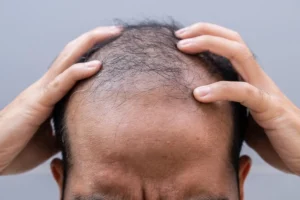
non invasive hair restoration offers a modern alternative for individuals struggling with hair loss who prefer to avoid surgical procedures. This article explains the range of techniques available, their benefits, and how you can achieve lasting results without scalp incisions.
Every year, millions of people worldwide face thinning hair or bald patches, yet many remain unaware that effective treatments exist beyond traditional transplants. Understanding these options is the first step toward regaining confidence and a fuller appearance.
We will explore the science behind each method, compare outcomes, and provide practical guidance on selecting the right approach for your unique situation. Whether you are dealing with early‑stage thinning or more advanced pattern baldness, non‑surgical solutions can play a pivotal role in your hair‑restoration journey.
Understanding Non‑Invasive Hair Restoration Techniques
Non‑invasive hair restoration encompasses a variety of procedures that stimulate natural hair growth without extracting follicles. The most widely adopted methods include low‑level laser therapy (LLLT), platelet‑rich plasma (PRP) injections, topical minoxidil, and emerging technologies such as stem‑cell‑derived serums.
These techniques are categorized as hair loss treatments that target the underlying causes of thinning, such as poor circulation, hormonal imbalance, and follicular inflammation. Below is a quick overview of each method:
- Low‑Level Laser Therapy (LLLT): Uses red‑light wavelengths to increase blood flow and cellular activity in the scalp.
- Platelet‑Rich Plasma (PRP): Involves drawing a small amount of your blood, concentrating platelets, and injecting them into the scalp to promote regeneration.
- Topical Minoxidil: An FDA‑approved solution that widens blood vessels, delivering more nutrients to hair follicles.
- Stem‑Cell‑Derived Serums: Utilizes growth factors to reactivate dormant follicles and support new hair growth.
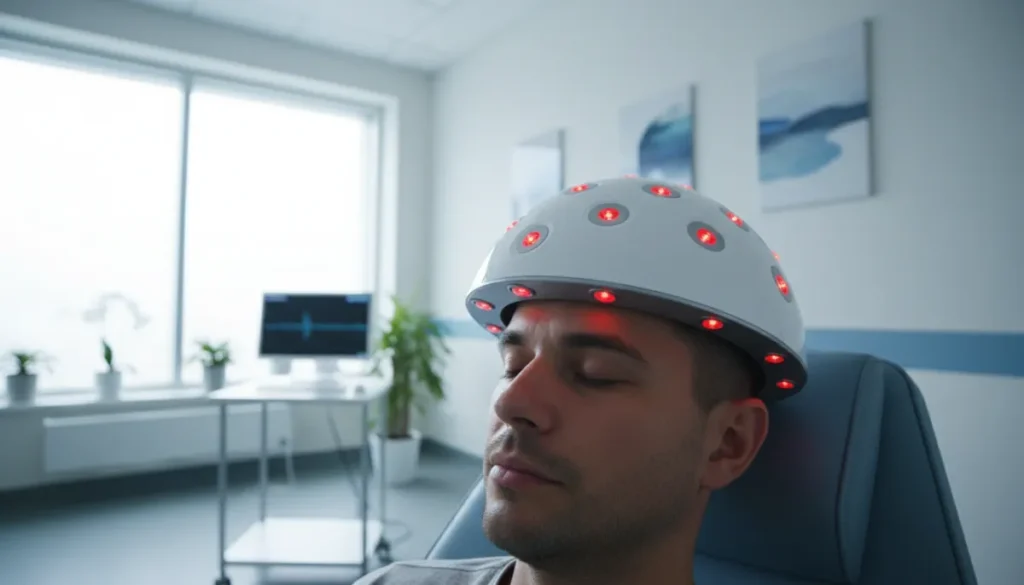
Below is a comparison of the most common non‑surgical options:
| Technique | Typical Sessions | Duration of Results | Key Benefit |
|---|---|---|---|
| LLLT | 2‑3 times per week | 6‑12 months | Non‑medicinal, painless |
| PRP | 3‑4 sessions over 6 months | 12‑18 months | Uses your own blood, minimal risk |
| Minoxidil | Daily application | Ongoing, requires maintenance | Widely available, cost‑effective |
| Stem‑Cell Serum | Weekly or bi‑weekly | Varies, often 12+ months | Targets follicle rejuvenation |
All of these hair regrowth solutions are considered safe, with minimal downtime and a low risk of side effects, making them attractive alternatives to traditional hair transplantation.
Benefits Over Surgical Options
Choosing a non‑surgical approach offers several distinct advantages compared with conventional hair transplant procedures such as FUE or DHI. While surgical methods physically relocate follicles, non‑invasive treatments work by revitalizing existing hair shafts.
Key benefits include:
- No Scarring: Since there is no incision, the scalp remains smooth and unmarked.
- Reduced Downtime: Most sessions last under an hour, allowing you to resume daily activities immediately.
- Lower Cost: The overall expense is typically less than a full‑scale transplant, especially when multiple sessions are required.
- Flexibility: Treatments can be combined or adjusted over time as your hair condition evolves.
- Safety Profile: Minimal risk of infection, nerve damage, or anesthesia complications.
For patients with early‑stage thinning, these advantages often translate into a more comfortable and sustainable path to hair health. Moreover, many individuals use non‑invasive methods as a preparatory step before considering surgery, thereby improving graft survival rates.
Choosing the Right Non‑Surgical Solution for Your Hair Type
Not every method suits every pattern of hair loss. Understanding your specific condition—whether it is diffuse thinning, male pattern baldness, or localized bald patches—helps you select the most effective treatment.
Diffuse Thinning
Individuals experiencing overall thinning often benefit from LLLT combined with topical minoxidil. The laser boosts circulation, while minoxidil maintains follicle activity.
Male Pattern Baldness (Androgenetic Alopecia)
PRP and stem‑cell‑derived serums have shown promising results for androgen‑driven loss, as they deliver growth factors directly to the miniaturized follicles.
Localized Bald Patches
Targeted laser therapy or micro‑needling with growth‑factor serums can concentrate the effect on specific areas, providing a focused regrowth stimulus.
Below is a quick decision guide:
| Hair Condition | Recommended Technique | Frequency | Typical Outcome |
|---|---|---|---|
| Diffuse Thinning | LLLT + Minoxidil | 3× weekly + daily | Gradual density increase |
| Androgenetik Alopesi | PRP or Stem‑Cell Serum | Every 4‑6 weeks | Reactivation of dormant follicles |
| Localized Bald Patches | Targeted Laser + Micro‑needling | 2× weekly | Spot‑specific regrowth |
Consulting with a qualified specialist will ensure you receive a personalized plan that aligns with your hair loss stage and lifestyle.
What to Expect During a Non‑Invasive Treatment Course
Understanding the timeline helps set realistic expectations and encourages adherence to the regimen. Most non‑surgical programs follow a phased approach:
- Initial Assessment: A detailed evaluation of scalp health, hair density, and medical history.
- Baseline Measurements: Photographic documentation and trichoscopic analysis to track progress.
- First Treatment Phase (Weeks 1‑12): Regular sessions of the chosen technique, often combined with supportive topical products.
- Mid‑Course Review (Month 3): Assessment of early results; adjustments made if needed.
- Maintenance Phase (Month 4 onward): Reduced frequency, focusing on sustaining growth and preventing relapse.
Patients typically notice the first signs of improvement—such as reduced shedding and the appearance of fine, new hairs—around the 3‑month mark. Full, noticeable density gains may take 6‑12 months, depending on the method and individual response.
Consistency is crucial. Skipping sessions or discontinuing supportive products can diminish outcomes, while regular follow‑ups ensure the treatment stays on track.
Maintaining Results and Supporting Long‑Term Hair Health
Achieving regrowth is only part of the journey; maintaining those gains requires ongoing care. Lifestyle factors—nutrition, stress management, and scalp hygiene—play a vital role in sustaining hair health.
Key maintenance strategies include:
- Balanced Diet: Adequate protein, iron, zinc, and vitamins (especially B‑complex and D) support follicle function.
- Scalp Care: Gentle cleansing, occasional scalp massage, and occasional use of low‑level lasers keep circulation optimal.
- Stress Reduction: Chronic stress can exacerbate shedding; practices like meditation or regular exercise are beneficial.
- Periodic Boosters: Annual PRP sessions or quarterly laser maintenance can reinforce results.
- Avoid Harsh Treatments: Limit heat styling, tight hairstyles, and chemical processing that can damage new growth.
Below is a simple maintenance checklist to incorporate into your routine:
| Action | Frequency | Purpose |
|---|---|---|
| Protein‑rich meals | Daily | Supply building blocks for keratin |
| Scalp massage | 2‑3× weekly | Boost blood flow |
| Low‑level laser session | 1× weekly (maintenance) | Maintain follicle stimulation |
| Stress‑relief activity | Daily | Prevent hormone‑induced shedding |
| Annual PRP booster | Yearly | Re‑energize growth factors |
By integrating these habits, you protect the investment you made in your hair restoration journey and enjoy lasting confidence.
Why Choose Gold City Hair
Gold City Hair combines cutting‑edge non‑invasive technologies with a personalized, patient‑centered approach. Since 2017, our clinic in Turkey has delivered safe, effective hair restoration solutions tailored to each individual’s needs. Our experienced team provides transparent communication, thorough assessments, and ongoing support to ensure optimal outcomes without surgery.
Ready to start your non‑invasive hair restoration journey? Contact Gold City Hair today to schedule a free consultation and discover a customized plan that restores both hair and confidence.
SSS
What is non‑invasive hair restoration?
Non‑invasive hair restoration refers to treatments that stimulate natural hair growth without surgery or follicle extraction.
How does low‑level laser therapy work for hair growth?
LLLT uses red‑light wavelengths to increase scalp blood flow and cellular activity, promoting hair follicle health.
What are the benefits of PRP injections for hair loss?
PRP delivers concentrated growth factors from your own blood to stimulate follicle regeneration with minimal risk.
Is minoxidil safe for long‑term use?
Yes, minoxidil is FDA‑approved for long‑term daily use and is generally safe when used as directed.
How long does it take to see results from non‑surgical hair treatments?
Most patients notice early improvements around 3 months, with full results appearing after 6‑12 months.
Can non‑invasive methods be combined for better results?
Yes, combining treatments like LLLT with minoxidil or PRP with stem‑cell serums can enhance overall effectiveness.