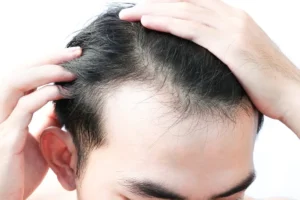
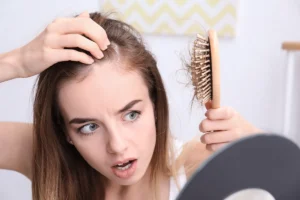
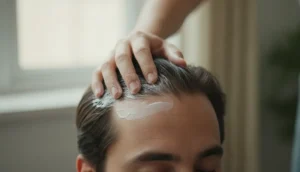
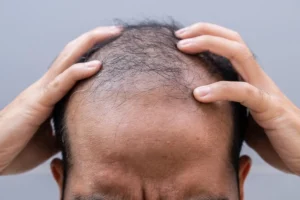
When you search for a non surgical hair treatment, you’re looking for solutions that restore density without scalp incisions or graft extraction. Modern clinics offer a range of minimally invasive procedures that target hair loss, stimulate regrowth, and improve the appearance of thinning areas. Understanding these options matters because many individuals prefer a less invasive path before considering a transplant, especially when dealing with early‑stage balding or budget constraints.
According to recent dermatology surveys, over 30% of men and women experiencing hair loss explore non‑surgical alternatives as their first line of defense. This trend reflects growing confidence in technologies such as platelet‑rich plasma (PRP), low‑level laser therapy (LLLT), and topical growth factor serums. These treatments aim to revitalize dormant follicles, enhance blood flow, and prolong the anagen (growth) phase of hair.
In this article, we’ll break down the science behind each method, compare them with surgical options, and help you decide which approach aligns with your goals and lifestyle. Whether you’re seeking a quick boost for thinning hair or a long‑term strategy to combat male pattern baldness, the information here will guide you toward an informed decision.
Understanding Non‑Surgical Hair Treatments

Non‑surgical hair treatments encompass a variety of procedures that aim to halt hair loss and stimulate new growth without extracting follicles. The most common categories include injectable therapies, light‑based devices, and topical applications. Each works through a distinct mechanism, yet all share the goal of revitalizing the scalp’s micro‑environment.
Platelet‑rich plasma (PRP) therapy involves drawing a small amount of the patient’s blood, centrifuging it to concentrate platelets, and injecting the plasma into the scalp. Growth factors released by platelets signal dormant hair follicles to re‑enter the growth cycle, often resulting in thicker strands within three to six months.
Low‑level laser therapy (LLLT) utilizes red‑light wavelengths (typically 630‑670 nm) to increase cellular metabolism in follicular cells. The photons boost adenosine triphosphate (ATP) production, enhancing blood flow and reducing inflammation. Regular sessions—usually 2‑3 times per week—can improve hair density for both men and women.
Topical solutions such as minoxidil, finasteride (in oral form), and newer peptide‑based serums act directly on the scalp to prolong the anagen phase and block dihydrotestosterone (DHT) activity. While these are often considered “hair loss treatments,” they are integral components of a comprehensive non‑surgical plan.
- PRP – injectable, growth‑factor‑rich, 3‑6 month results.
- LLLT – light‑based, painless, requires consistent sessions.
- Topical agents – daily application, works best with other therapies.
Popular Non‑Surgical Techniques and How They Work
Among the many options, three techniques dominate the market due to proven efficacy and patient satisfaction. Understanding their mechanisms helps you choose the most appropriate hair loss treatment for your situation.
Platelet‑Rich Plasma (PRP) Injections
PRP leverages the body’s natural healing properties. After centrifugation, the plasma contains a high concentration of platelets—up to five times the baseline level. When injected into the scalp, these platelets release cytokines and growth factors such as PDGF, VEGF, and TGF‑β, which stimulate angiogenesis and follicular cell proliferation. Typical protocols involve three sessions spaced four weeks apart, followed by maintenance injections every 3‑6 months.
Low‑Level Laser Therapy (LLLT)
LLLT devices range from handheld combs to full‑head caps. The red light penetrates the epidermis, reaching the dermal papilla where hair follicles reside. Photobiomodulation enhances mitochondrial activity, leading to increased ATP and reduced oxidative stress. Clinical studies report a 30‑45% increase in hair density after 24 weeks of regular use.
Topical Growth Factor Serums
Newer serums combine peptides, botanical extracts, and nanocarriers to deliver active ingredients directly to follicular stem cells. These products often complement PRP or LLLT, creating a synergistic effect. Consistency is key; users typically see noticeable improvement after 12‑16 weeks of twice‑daily application.
| Technique | Typical Sessions | Average Cost (USD) | Expected Results Timeline |
|---|---|---|---|
| PRP Injections | 3 initial + maintenance | $1,200‑$2,000 | 3‑6 months |
| LLLT (cap) | 2‑3×/week | $800‑$1,500 | 4‑8 months |
| Topical Serums | Twice daily | $50‑$200 | 12‑16 weeks |
Benefits and Limitations Compared to Surgical Options
Choosing between a non surgical hair treatment and a hair transplant hinges on several factors: degree of hair loss, budget, recovery time, and personal preferences. Below we outline the primary advantages and drawbacks of each approach.
Advantages of non‑surgical methods include minimal downtime, lower risk of infection, and the ability to start treatment quickly. Because there is no incision, patients can resume normal activities within a day. These treatments are also reversible; if a particular serum does not suit your scalp, you can discontinue without lasting effects.
However, limitations exist. Non‑surgical options generally provide modest improvements—often increasing density by 10‑30%—which may not satisfy those with extensive baldness. Results also depend heavily on ongoing maintenance; discontinuing therapy can lead to gradual loss of gains.
In contrast, surgical hair restoration (such as FUE or DHI) offers permanent, high‑density results by relocating healthy follicles. The trade‑off includes higher cost, a recovery period of 7‑10 days, and potential complications like scarring or graft loss. For many patients, a combined approach—starting with non‑surgical methods to stabilize loss and then proceeding to surgery—yields the most sustainable outcome.
- Non‑surgical: Low risk, short downtime, requires ongoing maintenance.
- Surgical: Permanent, higher cost, longer recovery, best for advanced baldness.
Choosing the Right Non‑Surgical Approach for Your Needs
Personalization is the cornerstone of effective hair restoration. When deciding on a hair thinning treatment, consider the following criteria:
- Stage of hair loss: Early‑stage thinning responds well to PRP and LLLT, while moderate balding may benefit from combined topical serums and laser therapy.
- Medical history: Patients with clotting disorders should discuss PRP risks, whereas those on certain medications may experience better results with topical solutions.
- Lifestyle and commitment: LLLT requires regular sessions; ensure your schedule can accommodate them. Topical serums demand twice‑daily application.
- Bütçe: While PRP has higher upfront costs, its session frequency is lower than ongoing laser device purchases.
A thorough consultation with a qualified specialist will involve scalp analysis, discussion of previous treatments, and setting realistic expectations. Many clinics, including Gold City Hair, employ digital imaging to visualize potential outcomes before any procedure begins.
Maintenance and Long‑Term Care After Non‑Surgical Treatments
Achieving initial regrowth is only the first step; sustaining those results requires diligent after‑care. The following practices enhance the longevity of a hair regrowth treatment and support ongoing follicle health.
Nutrition and Supplements
Hair is primarily composed of keratin, a protein that relies on adequate intake of vitamins and minerals. Biotin, zinc, iron, and omega‑3 fatty acids are especially important. While a balanced diet is ideal, targeted supplements can fill gaps and complement clinical therapies.
Scalp Hygiene
Gentle cleansing with sulfate‑free shampoos reduces inflammation and removes excess sebum that can clog follicles. Incorporating a mild exfoliating scalp scrub once a week promotes circulation and removes dead skin cells.
Continued Light or Injection Sessions
Even after visible improvement, most experts recommend maintenance PRP injections every 4‑6 months and weekly LLLT sessions to preserve density. Skipping these sessions can lead to gradual regression, especially if underlying hormonal factors remain unaddressed.
Lifestyle Adjustments
Stress management, regular exercise, and avoiding harsh hair styling practices (tight ponytails, excessive heat) protect newly formed hair. Smoking cessation is also crucial, as nicotine constricts blood vessels and hampers nutrient delivery to follicles.
By integrating these habits with your chosen non‑surgical protocol, you maximize the chance of lasting, natural‑looking hair growth.
Why Choose Gold City Hair for Your Hair Restoration Journey
Gold City Hair combines cutting‑edge technology with a personalized, transparent approach to hair restoration. Since 2017, our clinic in Turkey has delivered successful outcomes using both surgical and non‑surgical methods, ensuring each patient receives a treatment plan tailored to their unique pattern of hair loss. Our team of experienced specialists prioritizes safety, comfort, and measurable results, helping you regain confidence through natural‑looking hair regrowth.
Ready to explore the best non surgical hair treatment for you? Contact Gold City Hair today to schedule a comprehensive consultation and start your path toward fuller, healthier hair.
SSS
What is a non surgical hair treatment?
A non surgical hair treatment restores hair density without scalp incisions or graft extraction.
How does PRP therapy promote hair regrowth?
PRP injects concentrated platelets that release growth factors to reactivate dormant follicles.
What results can I expect from low‑level laser therapy?
LLLT can increase hair density by 30‑45% after consistent use for about six months.
Are topical serums effective on their own?
Topical serums work best when combined with other non surgical methods.
What are the main advantages of non surgical treatments over hair transplants?
They offer low risk, minimal downtime, and are reversible, but require ongoing maintenance.
How should I maintain results after a non surgical hair treatment?
Maintain results with proper nutrition, scalp hygiene, and periodic booster sessions.