Reaching the 1 week post hair transplant milestone is an exciting moment for anyone who has undergone a hair restoration procedure. By this point, most patients notice the first signs of healing, and the initial swelling and redness begin to subside. Understanding the typical recovery timeline helps you manage expectations and stay confident during this crucial phase.
According to clinical observations, around 85% of grafts remain viable after the first seven days, laying the foundation for healthy hair growth in the coming months. However, many patients still have questions about scabbing, washing techniques, and when they can resume normal activities. This guide answers those questions and provides practical tips to ensure a smooth transition from the immediate post‑operative period to the next stage of recovery.
We’ll walk through the day‑by‑day changes you might experience, the essential aftercare steps you should follow, and the early indicators that your transplant is taking hold. Armed with this information, you’ll be better prepared to support your new hair follicles and enjoy the confidence that comes with a successful hair transplant.
First Week Recovery Overview
The first week after a hair transplant is characterized by a series of predictable physiological responses. While each individual’s experience can vary, most patients encounter a similar pattern of symptoms that gradually improve.
Typical symptoms during days 1‑7 include:
- Minor swelling around the donor and recipient areas, usually peaking on day 2 and diminishing by day 5.
- Redness and a slight tingling sensation as the scalp adjusts to the transplanted grafts.
- Formation of tiny crusts (scabs) over each graft, which protect the follicle as it begins to anchor.
- Possible mild itching, which should not be scratched to avoid dislodging grafts.
These signs are part of the normal hair transplant healing process and indicate that the body is responding appropriately to the procedure. If you notice excessive bleeding, severe pain, or signs of infection such as pus or a foul odor, contact your clinic immediately.
Below is a concise timeline summarizing the key milestones of the first week:
| Day | What to Expect |
|---|---|
| 1‑2 | Swelling, redness, and formation of protective scabs. |
| 3‑4 | Scabs begin to soften; gentle washing is introduced. |
| 5‑6 | Swelling subsides; itching may increase as nerves recover. |
| 7 | Scabs start to fall off naturally; grafts are securely anchored. |
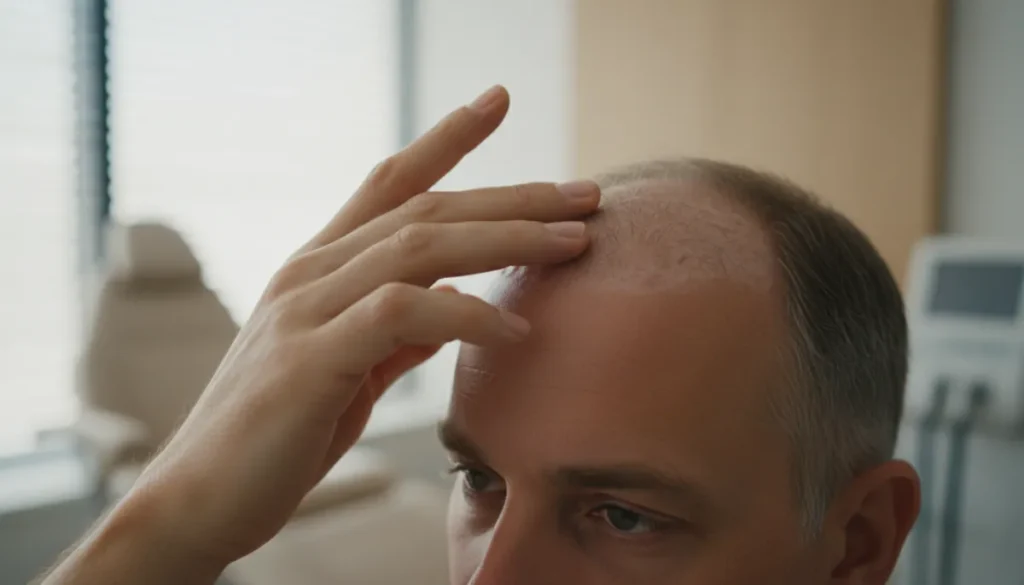
Care Instructions for Day 7
By the seventh day, the majority of scabs have softened, making it safe to follow a more thorough cleaning routine. Proper aftercare at this stage is vital to protect the grafts and promote optimal growth.
Key aftercare steps for day 7 include:
- Gentle washing: Use lukewarm water and a mild, sulfate‑free shampoo. Apply the shampoo with a cup, allowing the water to flow over the scalp without rubbing.
- Pat‑dry technique: After washing, gently pat the area dry with a soft towel. Avoid vigorous rubbing.
- Medication adherence: Continue any prescribed antibiotics or anti‑inflammatory tablets as directed by your surgeon.
- Protect from sun: Wear a loose‑fitting hat or use a sunscreen with SPF 30+ if you must be outdoors.
- Avoid tight headwear: Caps or helmets that press on the grafts can dislodge them.
Maintaining a clean environment also reduces the risk of infection. Change pillowcases daily and keep the bedroom well‑ventilated. If you experience any unusual discharge or increased pain, reach out to your clinic promptly.
When to Expect Early Growth
Many patients wonder when they will see the first signs of new hair emerging. While visible growth typically begins around the third month, subtle indicators can be observed as early as the second week.
During the first week, the transplanted follicles enter a resting phase called telogen. Around day 10‑12, you may notice the shedding of the transplanted hairs—this is a normal process known as “shock loss.” Shedding does not mean failure; it signals that the follicles are resetting and preparing for the growth phase.
Below is a comparison of early milestones to help you track progress:
| Time Frame | Observed Change |
|---|---|
| Day 7‑10 | Scabs fall off; grafts are stable. |
| Day 10‑14 | Initial shedding (shock loss) may occur. |
| Week 3‑4 | Scalp looks clearer; no new growth yet. |
| Month 2‑3 | Fine, soft hairs begin to appear. |
Understanding this hair transplant timeline helps set realistic expectations and reduces anxiety during the “no‑growth” period. Patience, combined with diligent aftercare, maximizes the chances of robust, natural‑looking results.
Common Concerns and How to Address Them
Even with meticulous care, patients often experience concerns that can be easily managed with the right knowledge. Below are some of the most frequently reported issues during the first week and practical solutions.
Itching: As the scalp heals, itching is common. Apply a thin layer of a prescribed soothing serum or a non‑medicated aloe gel. Resist the urge to scratch, as this can disturb grafts.
Crusting: Small crusts form over each graft. They usually fall off on their own by day 10. Do not pick at them; instead, keep the area clean and let them detach naturally.
Swelling: Mild swelling is normal and often peaks on day 2. Elevating your head while sleeping and applying a cold compress for short intervals can reduce discomfort.
Bleeding: Minor oozing may continue up to day 5. Use a clean gauze pad to gently dab the area; avoid applying pressure that could dislodge grafts.
By addressing these concerns promptly, you support the hair transplant healing time and help ensure optimal outcomes.
Preparing for the Next Phase: Weeks 2‑4
After the first week, the focus shifts from immediate wound care to supporting the new follicles as they transition into the growth phase. This period is critical for long‑term success.
Key actions for weeks 2‑4:
- Maintain gentle hygiene: Continue using a mild shampoo, but you can now massage the scalp lightly to improve circulation.
- Follow medication schedule: Complete any prescribed antibiotics and anti‑inflammatories to prevent infection.
- Limit strenuous activity: Avoid heavy lifting, intense cardio, or contact sports that could increase blood pressure on the scalp.
- Nutrition support: Incorporate protein‑rich foods, vitamins (especially Biotin and Vitamin D), and stay well‑hydrated to foster follicle health.
- Schedule follow‑up: Attend your 2‑week post‑op appointment for a professional assessment of graft retention.
Understanding the hair transplant month by month progression helps you align lifestyle choices with the biological needs of the grafts. By week 4, most patients notice a clearer scalp and can begin planning for the longer‑term growth phase that will become visible around the third month.
Why Choose Gold City Hair
Gold City Hair has been delivering personalized hair restoration solutions in Turkey since 2017. Our clinic combines state‑of‑the‑art FUE and DHI techniques with a patient‑centered approach that prioritizes transparent communication and individualized aftercare plans. With a team of experienced surgeons and a proven track record of natural‑looking results, we empower clients to regain confidence through safe, effective hair transplantation.
Ready to start your transformation? Contact Gold City Hair today to schedule a free consultation and take the first step toward lasting confidence.
SSS
What are the typical symptoms during the first week after a hair transplant?
Patients usually experience mild swelling, redness, tiny scabs over grafts, and occasional itching.
How should I wash my scalp on day 7 post hair transplant?
Use lukewarm water and a mild sulfate‑free shampoo, applying it gently with a cup and pat‑dry with a soft towel.
When can I expect to see early hair growth after a transplant?
Visible new hairs typically appear around the third month, with subtle signs starting as early as the second week.
What is shock loss and is it normal after a hair transplant?
Shock loss is the temporary shedding of transplanted hairs around day 10‑14 and is a normal part of the healing process.
How can I manage itching and crusting during the first week?
Apply a prescribed soothing serum or aloe gel for itching and keep the scalp clean; let crusts fall off naturally.
When is it safe to resume normal activities after the first week?
Most normal activities can be resumed after day 7, but avoid heavy lifting, intense cardio, and contact sports for at least two weeks.
What nutrition supports hair transplant recovery?
A diet rich in protein, biotin, vitamin D, and adequate hydration promotes healthy follicle growth.





