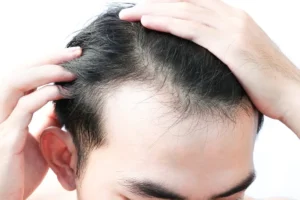
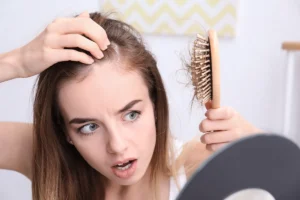
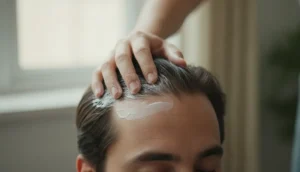
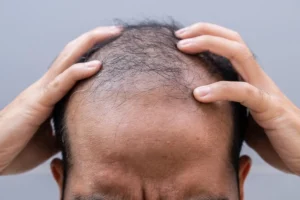
When you search for prp for hair loss before and after, you’re looking for clear evidence of how this regenerative treatment can transform thinning hair into fuller, healthier growth. Platelet‑rich plasma (PRP) therapy has become a popular option for individuals seeking a non‑surgical solution, and understanding the process, realistic expectations, and factors that affect outcomes is essential for making an informed decision.
Hair loss affects millions worldwide, with studies showing that up to 40 % of men and 30 % of women experience noticeable thinning by age 35. Many turn to PRP because it utilizes the body’s own growth factors to stimulate dormant follicles, offering a natural alternative to drugs or transplants. In this article, we’ll explore how PRP works, what a typical session looks like, the timeline of visible results, and the variables that can influence success.
By the end, you’ll have a comprehensive view of the prp for hair loss before and after journey, enabling you to set realistic goals and decide if this treatment aligns with your hair restoration plan.
How PRP Therapy Works for Hair Restoration
PRP therapy leverages the healing properties of your own blood to rejuvenate hair follicles. The process begins with a small draw of blood, which is then centrifuged to separate the platelet‑rich plasma from other components. This concentrated plasma, rich in growth factors such as PDGF, VEGF, and TGF‑β, is injected directly into the scalp where thinning occurs.
The Science Behind Platelet‑Rich Plasma
Platelets contain granules that release cytokines and growth factors essential for tissue repair and regeneration. When introduced into the scalp, these substances:
- Stimulate the proliferation of dermal papilla cells.
- Increase blood supply to the follicle area.
- Prolong the anagen (growth) phase of the hair cycle.
Clinical studies suggest that regular PRP sessions can increase hair density by 15‑30 % over several months, making it a viable option for early‑stage androgenetic alopecia.
| Aspect | PRP Therapy | Topical Minoxidil | Hair Transplant (FUE) |
|---|---|---|---|
| Invasiveness | Minimal invaziv | Non‑invasive | Surgical |
| Downtime | 1‑2 days | None | 1‑2 weeks |
| Typical Results Timeline | 3‑6 months | 4‑6 months | 9‑12 months |
| Bakım | Every 3‑6 months | Daily | Occasional touch‑ups |
While prp hair treatment is not a miracle cure, it offers a safe, autologous approach that can complement other modalities such as FUE or DHI transplants. Many patients ask, “does prp work for hair loss?”—the answer depends on individual factors, which we’ll discuss later.
What to Expect During a PRP Session
A typical PRP session lasts about 45‑60 minutes and involves several key steps designed to maximize comfort and efficacy. Understanding the workflow helps reduce anxiety and ensures you’re prepared for each phase.
Preparation and Procedure
- Consultation: The clinician evaluates your scalp condition, medical history, and sets realistic expectations.
- Blood Draw: Approximately 10‑20 ml of blood is taken from your arm, similar to a routine lab test.
- Centrifugation: The sample spins at high speed for 10‑15 minutes, separating the platelet‑rich layer.
- Activation (optional): Calcium chloride or thrombin may be added to activate growth factors before injection.
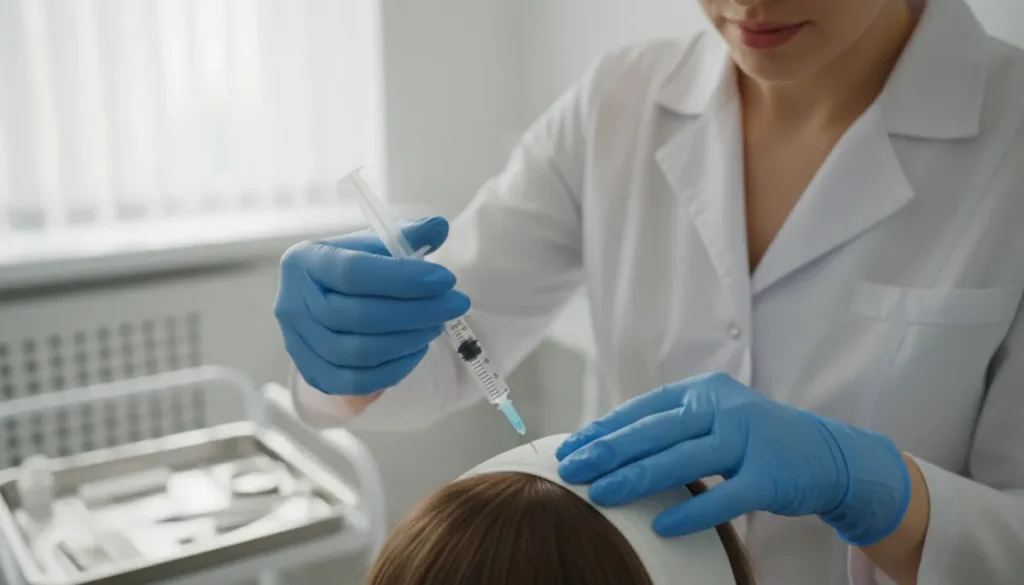
- Scalp Injection: Using a fine‑gauge needle, the practitioner injects PRP into targeted zones, typically 1‑2 mm deep.
- Post‑Procedure Care: Patients are advised to avoid harsh chemicals, excessive heat, and vigorous exercise for 24‑48 hours.
Most patients experience minimal discomfort—often described as a slight pinprick—thanks to the fine needles used. Side effects are rare but may include mild redness or swelling, which usually resolves within a day.
For those wondering about “prp before and after” images, clinics often showcase a series of photographs taken at baseline, 3 months, and 6 months post‑treatment to illustrate progressive hair regrowth.
Realistic Before‑and‑After Results: Photographs and Timeline
Visual evidence is a powerful tool for assessing the efficacy of PRP. High‑quality before‑and‑after photos demonstrate the gradual nature of hair regrowth and help set realistic expectations.
Typical Timeline of Visible Changes
| Time After First Session | Expected Observation |
|---|---|
| 0‑4 weeks | Initial shedding of weak hairs (often a positive sign) |
| 4‑8 weeks | Early signs of new, finer hairs emerging |
| 3‑6 months | Noticeable increase in hair density; thicker strands appear |
| 6‑12 months | Optimal results; continued improvement with maintenance sessions |
Patients typically undergo a series of 3‑4 sessions spaced 4‑6 weeks apart, followed by maintenance injections every 4‑6 months. Consistency is key; irregular treatment can diminish the cumulative effect of growth factors.
When reviewing “prp hair before and after” galleries, look for:
- Clear lighting and consistent angles.
- Visible scalp areas rather than heavily edited images.
- Long‑term follow‑up photos (12 months or more).
These criteria help you differentiate genuine results from marketing exaggerations.
Factors Influencing PRP Success
While PRP can be effective for many, outcomes vary based on several personal and procedural variables. Understanding these factors helps you assess whether you’re a good candidate.
Age and Hormonal Profile
Younger patients (under 40) generally experience more robust regrowth because their follicles retain greater regenerative capacity. Hormonal imbalances, such as elevated DHT levels, may limit PRP’s impact unless addressed concurrently.
Hair Type and Loss Pattern
Individuals with diffuse thinning often see better results than those with extensive bald patches. PRP works best on areas where follicles are still present but dormant.
Lifestyle and Nutrition
Smoking, excessive alcohol consumption, and poor diet can impair blood circulation and reduce the efficacy of growth factors. Incorporating a balanced diet rich in protein, vitamins (especially B‑complex and biotin), and omega‑3 fatty acids supports optimal outcomes.
Technique and Practitioner Expertise
Precision in injection depth, spacing, and volume directly influences the distribution of platelets. Experienced clinicians at reputable centers—such as Gold City Hair—follow standardized protocols that maximize platelet activation and minimize patient discomfort.
Considering these variables, many ask, “prp injection for hair loss – is it worth it?” The answer hinges on a personalized assessment, which we provide during the initial consultation.
Combining PRP with Other Hair Restoration Techniques
PRP is often integrated with surgical methods to enhance graft survival and accelerate healing. Here’s how synergy works:
- FUE (Follicular Unit Extraction): PRP applied immediately after graft placement can improve vascularization, leading to higher graft uptake rates.
- DHI (Direct Hair Implantation): The precise implantation technique benefits from PRP’s ability to reduce inflammation and promote rapid follicle activation.
- Topical Treatments: Combining minoxidil or finasteride with PRP can create a multi‑modal approach, tackling hair loss from several angles.
Patients who receive PRP alongside a transplant often report faster visible results—sometimes within 2‑3 months—compared to surgery alone. This combined protocol is especially valuable for those with extensive thinning who require both density restoration and long‑term maintenance.
Why Choose Gold City Hair for PRP Treatments
Gold City Hair has been delivering personalized hair restoration solutions since 2017, and our PRP program reflects that commitment. Our clinic combines state‑of‑the‑art equipment with a team of experienced physicians who tailor each session to your unique scalp condition. We prioritize transparent communication, providing detailed before‑and‑after documentation and realistic timelines. By choosing us, you benefit from a proven track record, a comfortable environment, and ongoing support throughout your hair growth journey.
Ready to see real prp for hair loss before and after results for yourself? Contact Gold City Hair today to schedule a complimentary consultation and start your personalized hair restoration plan.
SSS
Does PRP work for hair loss?
PRP can stimulate hair growth in many patients, especially those with early‑stage androgenetic alopecia.
What is the typical timeline for seeing results after PRP?
Visible improvements generally appear between 3 and 6 months after the initial series of sessions.
How many PRP sessions are needed for optimal results?
Most protocols recommend 3‑4 initial sessions followed by maintenance every 4‑6 months.
What factors affect the success of PRP hair treatment?
Age, hormonal balance, hair loss pattern, lifestyle, and practitioner expertise all influence results.
Can PRP be combined with hair transplant procedures?
Yes, PRP is often used alongside FUE or DHI transplants to improve graft survival and speed healing.
What is the recovery time after a PRP session?
Recovery is minimal; most people resume normal activities within 1‑2 days.