PRP hair results have become a popular focus for individuals seeking a non‑surgical solution to thinning hair. Platelet‑rich plasma therapy uses your own blood components to stimulate dormant follicles, offering a natural approach to hair restoration. In this article we explore how the treatment works, the typical timeline for visible growth, and the key factors that influence outcomes. According to recent clinical observations, up to 70% of patients notice measurable improvement after a series of sessions.
Whether you are considering PRP for the first time or have already begun a course, understanding the process and realistic expectations will help you make informed decisions. We will also compare PRP with other common baldness therapies, outline the procedural steps, and discuss after‑care best practices.
By the end of this guide, you will have a clear picture of what prp hair results look like, how long they take to appear, and how to maximize the benefits of each treatment.
How PRP Therapy Works for Hair Restoration
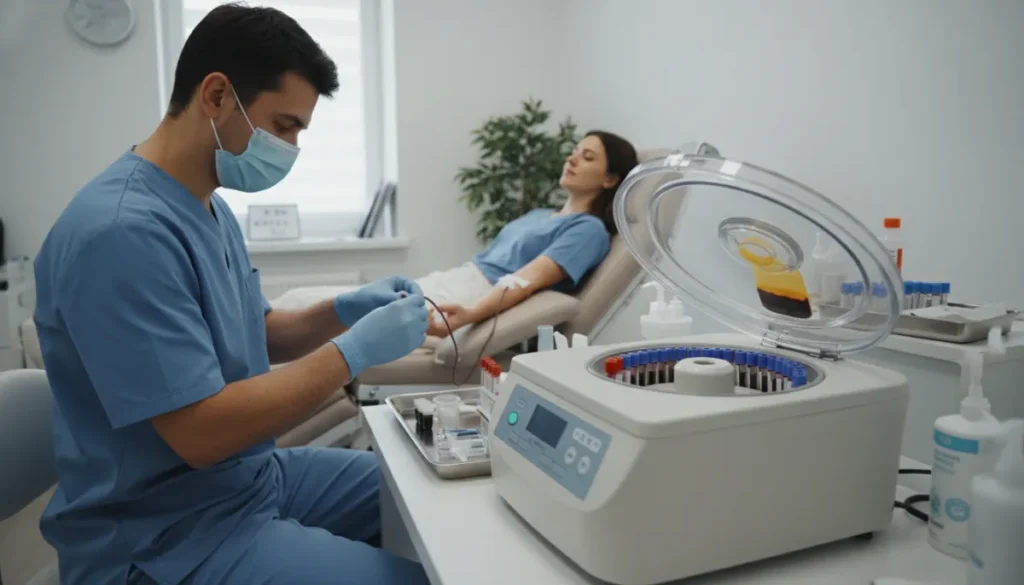
Platelet‑rich plasma (PRP) therapy begins with a simple blood draw, followed by centrifugation to separate the platelet‑rich layer. This concentrated plasma is then injected into the scalp where hair follicles are miniaturized. The growth factors released from the platelets stimulate cellular activity, improve blood flow, and prolong the anagen (growth) phase of the hair cycle.
The procedure typically follows these steps:
- Blood collection – 10–15 ml drawn from the patient’s arm.
- Centrifugation – Spins the blood for 5–10 minutes to isolate the PRP layer.
- Preparation – The PRP is mixed with a small amount of calcium chloride to activate platelets.
- Injection – Using a fine‑gauge needle, the clinician injects the PRP into targeted scalp zones.
- Post‑treatment care – Gentle massage and avoidance of harsh chemicals for 24 hours.
Below is a quick comparison of PRP versus other common baldness therapies:
| Feature | PRP Therapy | Minoxidil | Hair Transplant (FUE/DHI) |
|---|---|---|---|
| Invasiveness | Minimal invaziv | Topical | Surgical |
| Recovery Time | 1–2 days | None | 7–10 days |
| Typical Cost (USD) | $400‑$800 per session | $30‑$60 per month | $2,000‑$8,000 total |
| Results Timeline | 3‑6 months | 4‑6 months | 9‑12 months |
While PRP does not replace a transplant for extensive balding, it can significantly improve density and serve as a supportive therapy before or after surgical procedures.
Timeline of PRP Hair Results: When Will You See Growth?
One of the most common questions patients ask is, “how long does it take to see PRP hair results?” The answer varies based on individual biology, the severity of hair loss, and the number of sessions completed. Generally, patients begin to notice subtle improvements after the second or third treatment.
Typical milestones include:
- Weeks 1‑2: Scalp may feel slightly tender; no visible change.
- Weeks 4‑6: Early signs of reduced shedding and improved hair texture.
- Months 3‑4: New fine hairs emerge, especially in the crown and frontal areas.
- Months 5‑6: Increased hair density and thickness become noticeable.
- Months 9‑12: Full effect of the treatment cycle; maintenance sessions may be scheduled.
Research indicates that the most robust prp hair results are achieved after a series of three to four sessions spaced four weeks apart. Some patients opt for a maintenance injection every 6‑12 months to sustain growth.
It is important to set realistic expectations: PRP does not produce instant regrowth, and results are gradual. Patience and adherence to the recommended schedule are essential for optimal outcomes.
Factors Influencing PRP Hair Results
Not every patient experiences the same level of improvement. Several variables can affect how effective PRP therapy is for hair restoration.
Key factors include:
- Age – Younger patients with active hair follicles tend to respond better.
- Stage of hair loss – Early‑stage thinning (Norwood II‑III) shows more pronounced results than advanced balding.
- Platelet concentration – Higher platelet counts in the PRP can increase growth factor delivery.
- Lifestyle – Smoking, poor nutrition, and high stress can diminish outcomes.
- Adjunct therapies – Combining PRP with minoxidil or low‑level laser therapy can enhance results.
The table below summarizes how each factor may impact the final appearance of prp hair results:
| Factor | Positive Influence | Negative Influence |
|---|---|---|
| Age | Under 40 years | Over 55 years |
| Hair‑loss stage | Norwood II‑III | Norwood V‑VII |
| Platelet count | >1.5 million/µL | <1 million/µL |
| Lifestyle | Balanced diet, no smoking | Smoking, high‑stress jobs |
| Adjunct therapy | Combined with minoxidil | Standalone PRP only |
Understanding these variables helps you and your clinician tailor a treatment plan that maximizes the likelihood of satisfying PRP hair results.
What to Expect During and After PRP Sessions
A typical PRP session lasts about 30‑45 minutes, and the process is designed to be comfortable and minimally disruptive.
During the session you will:
- Sit in a reclined chair while a nurse draws a small amount of blood.
- Watch as the centrifuge separates the plasma; the device operates quietly.
- Feel a light prick as the clinician injects the PRP into the scalp using a fine needle.
- Receive a brief scalp massage to distribute the plasma evenly.
After the session most patients can resume normal activities immediately. Common post‑treatment sensations include mild redness or a tingling feeling that typically resolves within a day. To support healing and enhance results, follow these guidelines:
- Avoid harsh shampoos or chemical treatments for 48 hours.
- Refrain from intense exercise or sauna use for 24 hours.
- Keep the scalp clean and gently pat dry.
- Maintain a balanced diet rich in proteins, iron, and vitamins.
- Schedule the next PRP session as advised by your specialist.
Side effects are rare but can include minor bruising at the injection sites. Serious complications are uncommon when the procedure is performed by experienced professionals.
Cost and Availability of PRP Hair Treatment
PRP therapy has become increasingly accessible, especially in medical tourism hubs such as Turkey. While prices vary by clinic and region, the typical cost per session ranges from $400 to $800. Most patients undergo a series of 3‑4 sessions, bringing the total investment to $1,200‑$3,200.
When evaluating cost, consider the following:
- Package discounts – Many clinics offer bundled pricing for multiple sessions.
- Travel expenses – If you travel abroad, factor in accommodation and transportation.
- Follow‑up care – Some providers include post‑treatment monitoring in the package.
It is advisable to choose a clinic with certified medical staff, transparent protocols, and a track record of documented PRP hair results. Investing in a reputable provider can improve both safety and efficacy.
Why Choose Gold City Hair for PRP Treatments
Gold City Hair combines cutting‑edge technology with a patient‑focused approach. Since 2017, our clinic in Turkey has delivered personalized PRP hair therapy alongside advanced transplant methods such as FUE and DHI. Our certified specialists ensure each session follows strict sterility standards, and we provide transparent communication about expected prp hair results. By choosing Gold City Hair, you benefit from experienced clinicians, state‑of‑the‑art facilities, and a supportive environment that prioritizes your confidence and satisfaction.
Ready to explore how PRP can revitalize your hair? Contact Gold City Hair today to schedule a personalized consultation and take the first step toward lasting confidence.
SSS
How long does it take to see PRP hair results?
Most patients notice subtle improvements after the second or third session, typically 3–6 months.
What factors influence PRP hair results?
Age, hair‑loss stage, platelet concentration, lifestyle, and adjunct therapies all affect outcomes.
How many PRP sessions are needed for optimal results?
A typical protocol includes 3‑4 sessions spaced four weeks apart.
What are the side effects of PRP hair treatment?
Side effects are usually mild, such as temporary redness, tingling, or minor bruising.
How does the cost of PRP compare to other hair loss treatments?
PRP costs $400‑$800 per session, cheaper than a full hair transplant but more expensive than minoxidil.
Can PRP be combined with other hair loss therapies?
Yes, PRP is often used alongside minoxidil, low‑level laser therapy, or even before/after a transplant.





